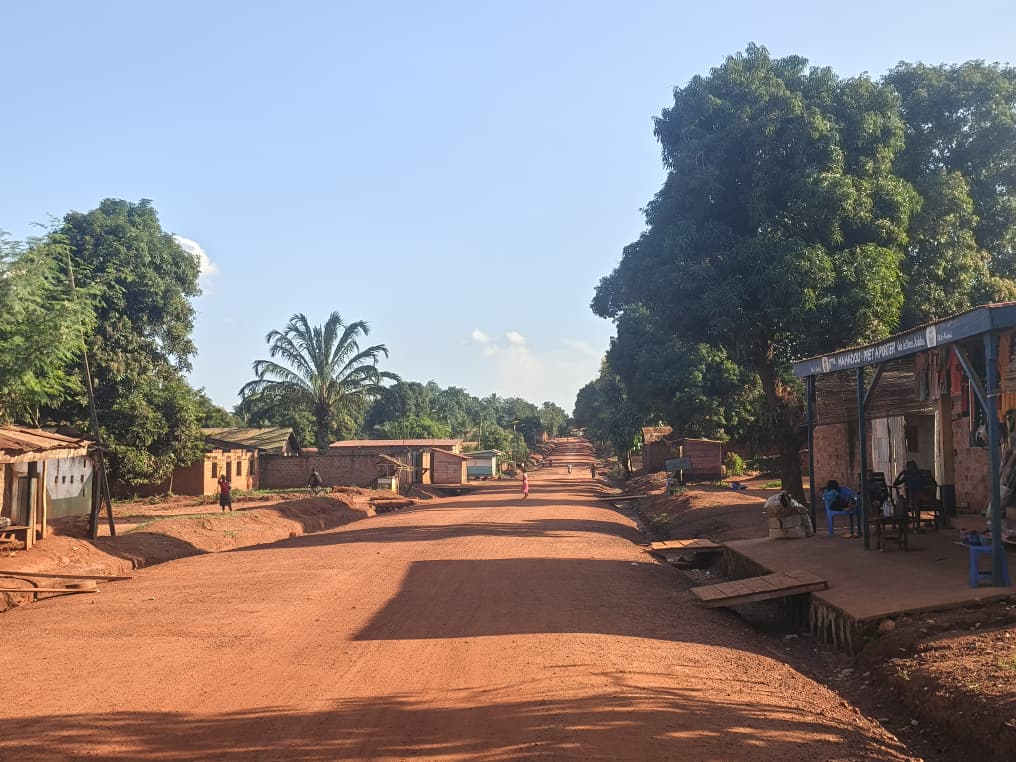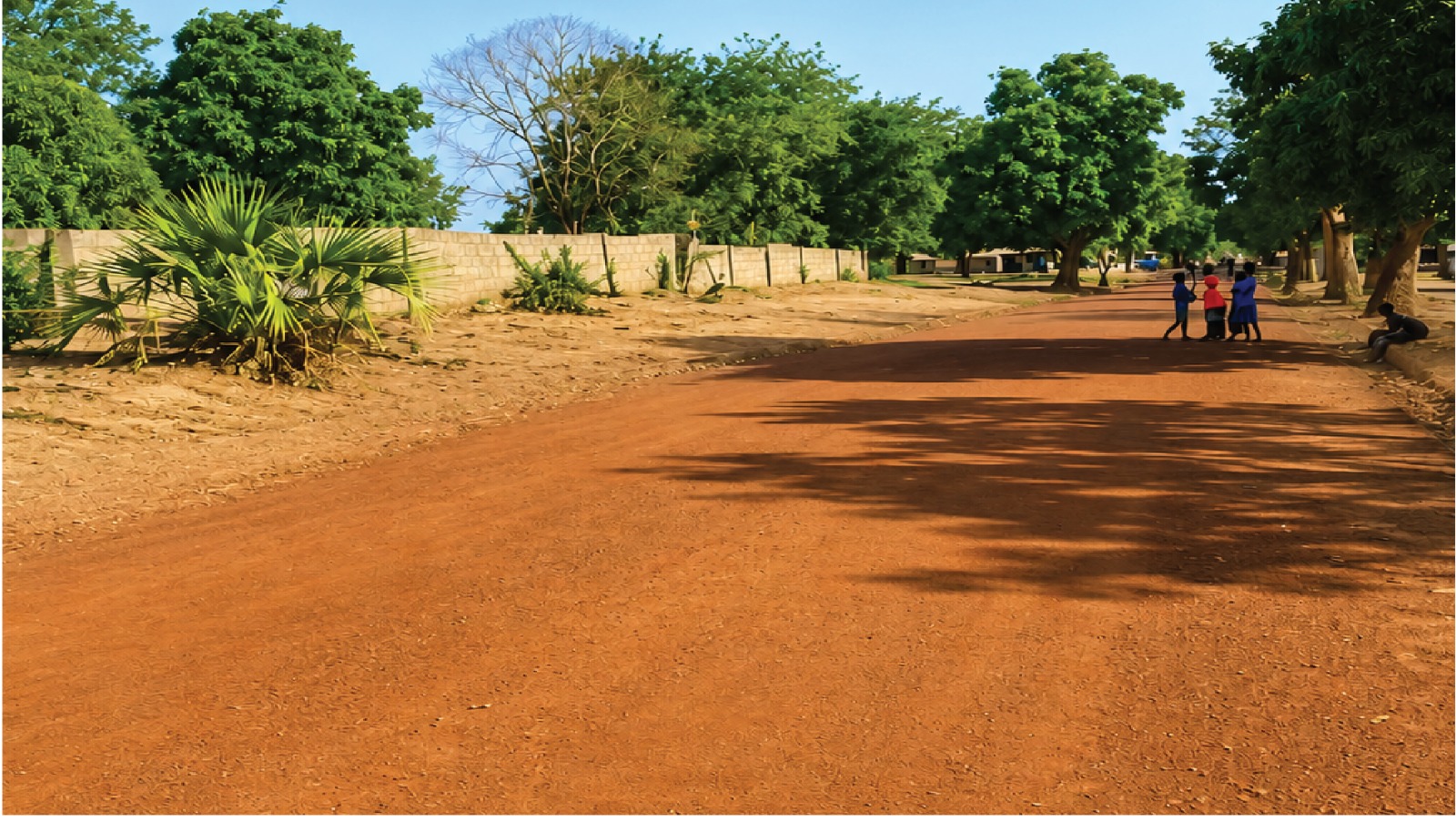
In Birao, Vakaga prefecture, local inhabitants have expressed satisfaction with recent road improvement works. These works, carried out on several axes of the city, have significantly enhanced the daily lives of residents. Young people in the city carried out the works, backfilling several laterite roads to enhance circulation. The initiative has been widely lauded for its positive impact on the community's infrastructure and accessibility.
Project Details and Funding
The young people involved in the road improvements were recruited as part of the E Kpéngba project. This initiative, which facilitated the backfilling of roads in Birao, is financed by the World Bank. The World Bank (Banque mondiale) provides the key funding for the project, enabling the local youth to undertake the necessary infrastructure work in Vakaga prefecture. The E Kpéngba project aims to engage local communities, particularly young people, in development efforts that directly benefit their areas. The full nature of the project ensures that the improvements are not merely superficial but address fundamental issues of road quality and usability. This strategic investment by the World Bank shows a commitment to fostering local development and improving basic services in the region.
Community Impact and Satisfaction
The road improvements in Birao have significantly improved movement for residents and traders alike. Moustapha Romaric Samba, a clothing trader, noted the positive change, stating, "Before, it was difficult to go to the market because of the state of the roads, but now, thanks to the young people, circulation conditions have improved." Samba’s comments reflect a broader sentiment among the community, where the enhanced infrastructure has eased daily commutes and facilitated commercial activities. The backfilling of laterite roads, undertaken by local youth as part of the E Kpéngba project, has directly addressed long-standing challenges related to road accessibility within the city. This initiative, funded by the World Bank, has not only created immediate relief in traffic flow but also fostered a sense of satisfaction among the local population regarding the tangible benefits of the project. The improved conditions are expected to support local businesses and enhance the overall quality of life for residents in Birao. The ability to navigate the city's thoroughfares with greater ease means that goods can be transported more efficiently, and residents can access essential services and markets without undue hardship. These works have demonstrably improved circulation conditions across the affected areas.
Local Correspondent's Report
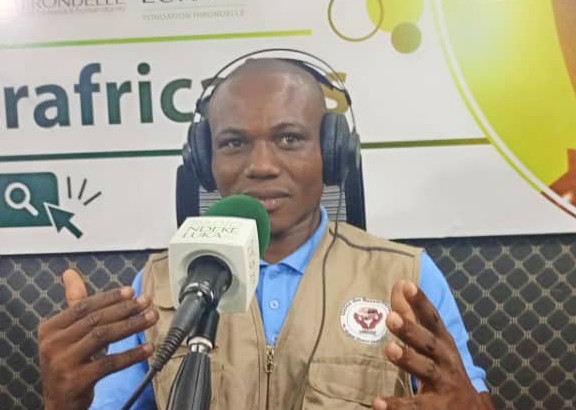
Moustapha Romaric Samba serves as the local correspondent reporting from Birao. Samba, who previously commented on the improved circulation conditions for traders, contributes to local reporting efforts in the Vakaga prefecture. His role involves documenting developments and providing insights into community initiatives such as the recent road improvement works. The correspondent's reports help to inform the wider public about the impact of projects like the E Kpéngba initiative, which has seen young people backfilling laterite roads in the city. This local perspective is key for understanding the ground-level effects of infrastructure improvements funded by entities like the World Bank. Samba's reports provide direct accounts of how these projects affect residents and daily life in Birao, giving a voice to the community members who are directly impacted by these development efforts. His observations confirm the widespread satisfaction among inhabitants regarding the road improvement works carried out on several axes of the city.