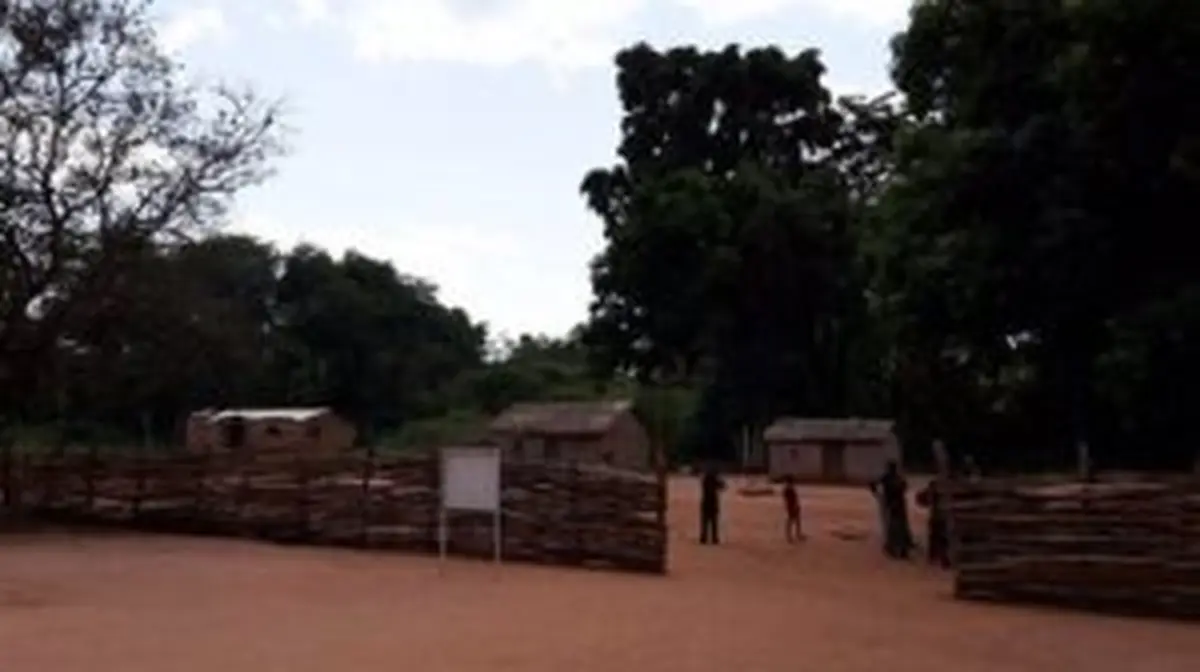
Yalinga, Centrafrique, continues to lack a functional market one and a half years after the arrival of sub-prefect Natacha Gwladys Akani. Despite the official's presence, residents report that the town still does not have a market worthy of the name. This ongoing absence notes persistent challenges in establishing basic infrastructure and services in the remote eastern prefecture. The community's struggles show a broader pattern of neglect in this remote region.
Neglected Agriculture and Markets
In Yalinga, local conditions indicate a complete absence of both a functional market and agricultural activity. The lack of a market means residents cannot sell or buy goods locally, hindering economic exchange and preventing any form of local commerce. Simultaneously, the cessation of agricultural work has left fields fallow, impacting food security and local livelihoods. This dual challenge shows significant difficulties in the remote eastern prefecture. In Yalinga, there is currently neither a market nor agriculture, a stark reality that severely limits residents' ability to sustain themselves. The situation suggests a profound breakdown in basic economic and subsistence activities, leaving the community without essential infrastructure for trade or local food production. The inability to cultivate land or operate a market points to systemic issues preventing fundamental economic stability in Yalinga, exacerbating the daily hardships faced by its inhabitants.
Misplaced Priorities and Superficial Aid
Yalinga has remained largely isolated and without external support following years of instability and chaos. In fact, Yalinga has remained totally left to its own devices after years of chaos, a situation that has deeply impacted the community's resilience. This prolonged neglect has occurred despite the presence of administrative structures. Priorities in the town appear to be misplaced, with significant resources allocated to security and administrative infrastructure while fundamental community needs remain unaddressed. For instance, a well-equipped gendarmerie and an impeccably maintained sub-prefecture office are prominent features in Yalinga. These facilities stand in contrast to the persistent lack of functional markets and agricultural production, which directly impact the daily lives and economic well-being of residents. A well-equipped gendarmerie and an impeccable sub-prefecture office are prioritized over addressing the critical lack of markets and food production, a decision that has drawn criticism from local observers. The focus on security and administrative buildings has not translated into tangible improvements for local commerce or food security, indicating a clear disconnect between official priorities and the urgent requirements of the population.
The Call for Genuine Solutions
The few local agricultural products still observed in Yalinga are countable on the fingers of one hand, indicating the severe decline in agricultural output and a near-total collapse of local food systems. This situation persists even as international partners are reportedly investing significant funds into various projects. These projects often culminate in well-written reports, according to local observers, but their tangible impact on the ground remains questionable. International partners are pouring millions into projects that result in well-written reports, while the people of Yalinga struggle with minimal resources, a discrepancy that notes a fundamental flaw in current aid strategies. However, residents of Yalinga continue to struggle with minimal resources, suggesting a profound disconnect between the reported outcomes of aid efforts and the lived realities on the ground. The lack of tangible improvements in essential services and local production notes the challenges in translating aid into effective, on-the-ground solutions for the community, leaving many to wonder when genuine, impactful assistance will arrive.