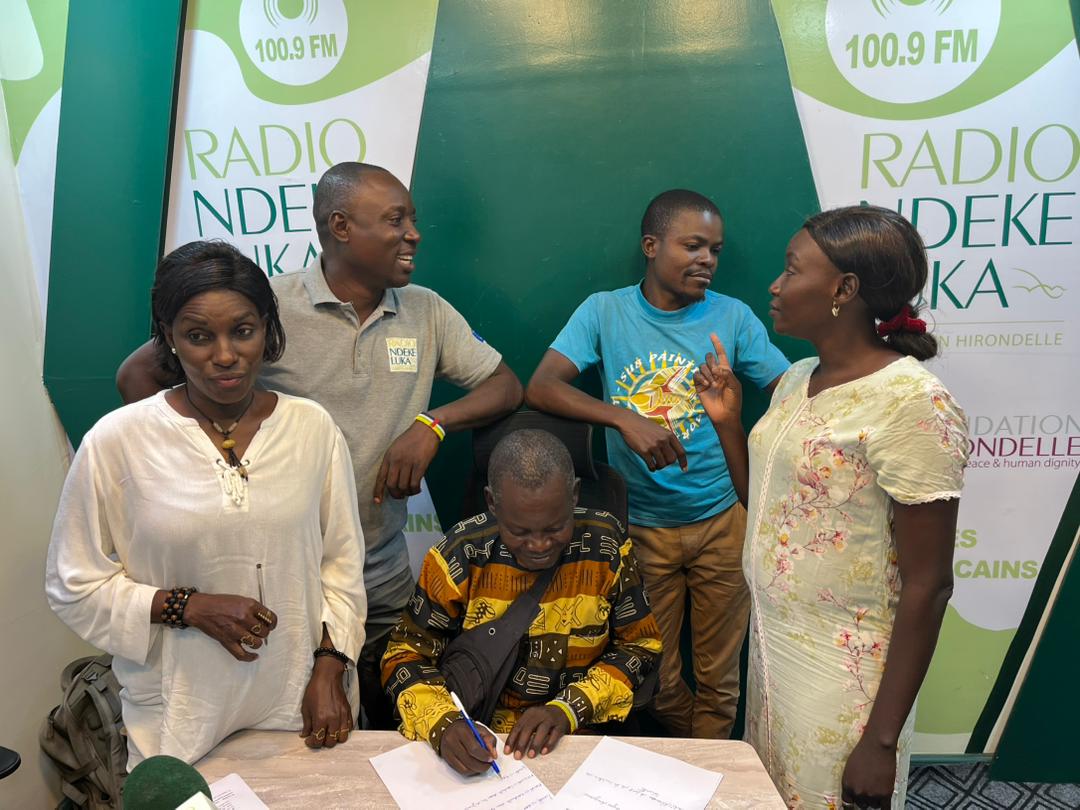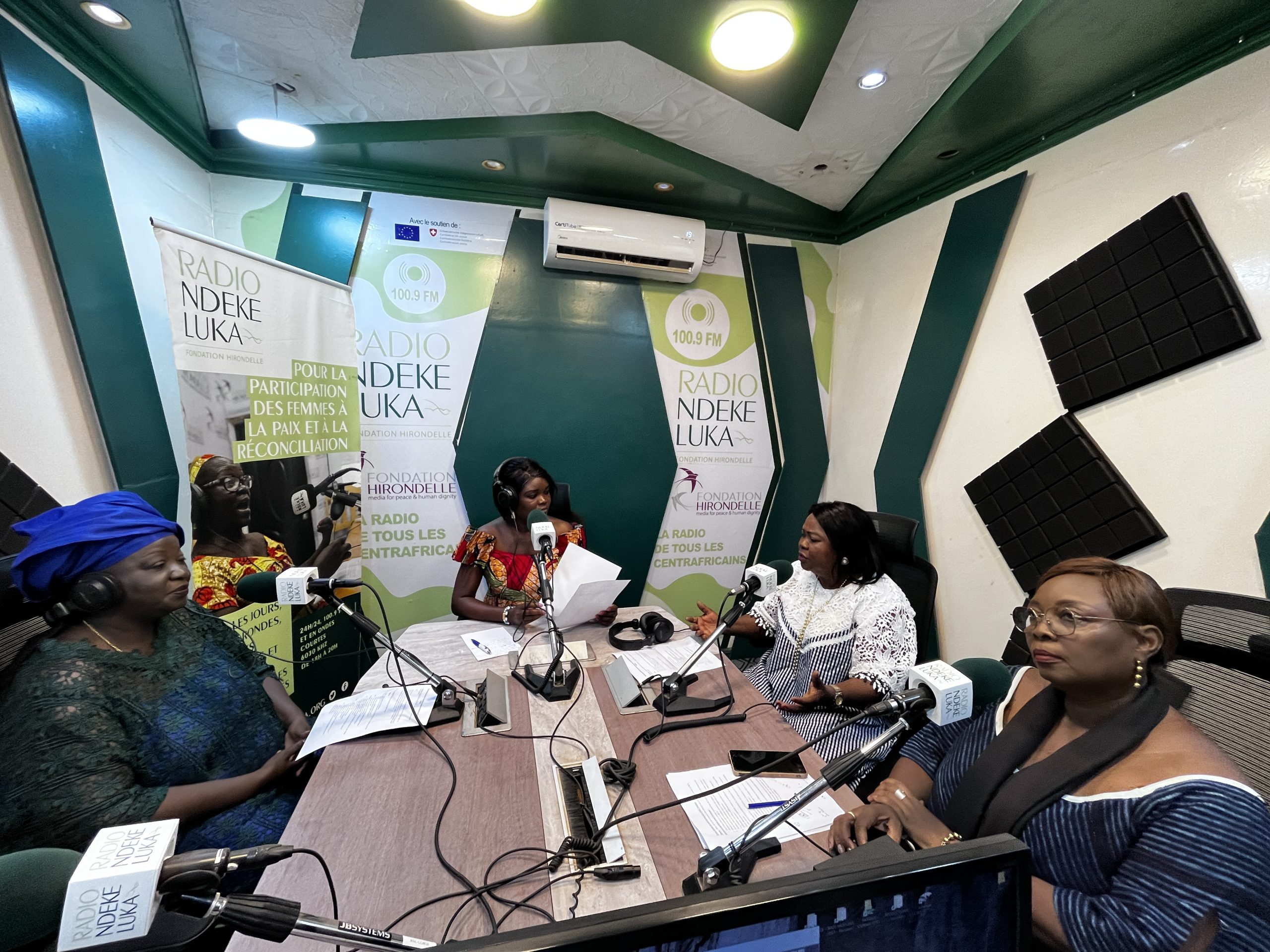
A significant Round Table discussion focusing on the participation of women in local elections was held on June 26, 2026, in the République centrafricaine. This important event brought together a diverse group of stakeholders, including political actors, civil society representatives, and international partners, all committed to addressing the persistent challenges and exploring new opportunities for women in the country's upcoming electoral processes. The discussion showed the critical need for enhanced female involvement to strengthen democratic governance at the local level.
Round Table Notes
The insightful discussion was animated by Elvire Ken-Tombet, who skillfully guided the conversation with her distinguished guests. Her facilitation ensured a rich exchange of perspectives from various individuals deeply invested in promoting gender equality within the political sphere. The Round Table discussion was organized in partnership with ONU-Femmes (UN Women), an organization dedicated to gender equality and the empowerment of women globally. This collaboration brought together key stakeholders to collectively address the multifaceted challenges and identify concrete opportunities for women in the upcoming electoral processes, emphasizing a collaborative approach to foster greater inclusion. Participants deliberated on practical strategies and policy recommendations aimed at improving women's representation.
Challenges to Female Candidacy
The article notes the low participation of women as candidates in local elections across the République centrafricaine. This issue of limited female representation in electoral processes has been a recurring concern for political observers and various advocacy groups working on gender equality and democratic development. Despite ongoing efforts to encourage greater involvement of women in local governance roles, these initiatives have consistently faced significant systemic and societal hurdles. These obstacles often manifest as disparities in access to key resources, such as campaign funding and logistical support, which are essential for mounting a successful electoral bid. Limited access to established political networks and public platforms often impedes women's ability to effectively communicate their messages and gain visibility among voters. These challenges collectively contribute to a significant gender imbalance in candidate lists, ultimately affecting the diversity of voices within local decision-making bodies and potentially limiting the range of issues addressed. Addressing these deeply entrenched obstacles is widely seen as key for fostering more inclusive, equitable, and truly representative democratic structures throughout the country.
Pathways to Greater Inclusion
Promoting women's participation in local elections within the République centrafricaine requires a full and multi-faceted approach. Efforts include advocating for legislative reforms that could introduce gender quotas or establish specific provisions designed to encourage and facilitate female candidates. Such legal frameworks can help level the playing field and ensure a minimum threshold of women's representation. Supporting women through targeted training programs on essential skills like campaign management, effective public speaking, and political leadership is also considered key for building their capacity and confidence. Organizations like ONU-Femmes have actively partnered in numerous initiatives specifically designed to empower women politically, recognizing the profound need for targeted interventions to overcome systemic barriers. Expanding access to financial resources, which are often a major impediment for women, and creating safe, supportive spaces for women to openly engage in political discourse can further encourage their candidacy and active participation. Additionally, public awareness campaigns aimed at challenging traditional gender roles and promoting the inherent value of women's leadership in governance are vital for fostering a more inclusive and receptive electoral environment. These strategic pathways collectively seek to enhance female representation, ensuring that diverse perspectives and experiences are brought to bear in local decision-making processes, thereby strengthening the quality of governance.