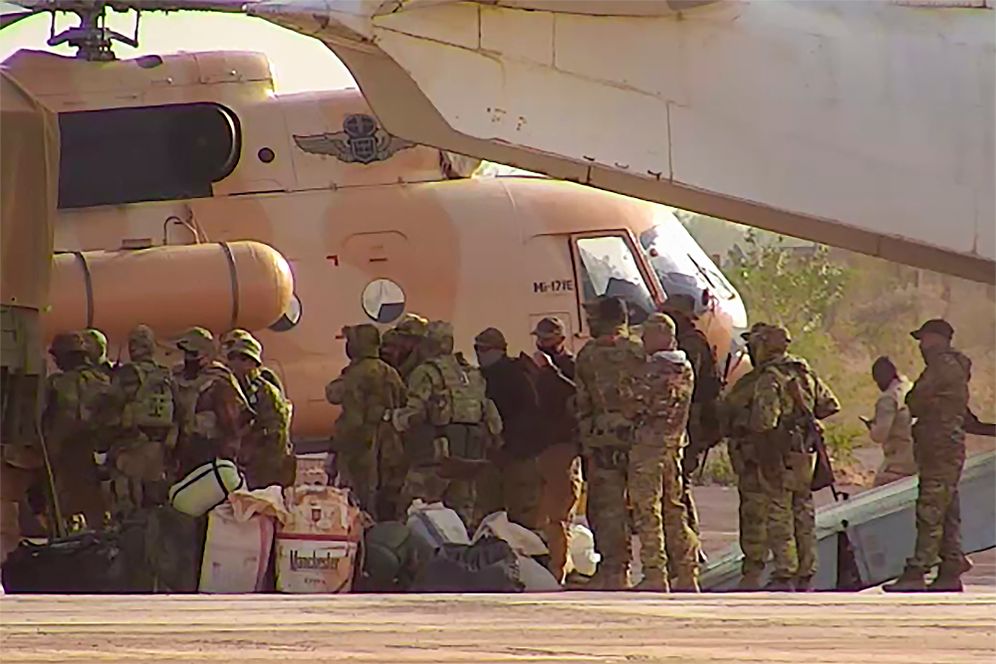
Several hundred Wagner Group fighters remain based along the upper Oubangui River in the Central African Republic, with estimates indicating up to 500 members still control the region. These personnel are reportedly involved in illicit gold operations, from which the Wagner Group earns an estimated 180 million dollars annually through exports. Miners at these gold operations utilize tramadol to sustain long working hours, while Wagner Group fighters reportedly use the opioid in combat situations to suppress fear. The presence of these fighters and their associated illicit activities shows a deepening entrenchment of the Wagner Group within the Central African Republic's economic and security landscape. This engagement extends beyond traditional mercenary services, indicating a broader strategy of resource control and criminal enterprise.
Criminal Governance and Resource Extraction
Wagner-linked interests reportedly control the Ndassima mine, the Central African Republic's largest gold operation. The Ndassima mine extracts approximately five metric tons of gold annually, valued at up to 500 million dollars on international markets. This significant output notes the strategic importance of the mine to the Wagner Group's financial operations. The substantial revenue generated from these gold operations is a key driver of the Wagner Group's continued presence and influence in the region.
A June 2026 report from the Global Initiative Against Transnational Organized Crime found that Wagner-linked and allied actors have become embedded within key government ministries, the security apparatus, and the customs administration. The report describes a system of criminalized governance where coercion, regulation, and resource extraction have merged into a single structure tied to the presidency. This integration allows Wagner-linked entities to exert considerable control over state functions, facilitating their illicit activities and legitimizing their presence. Gold from these operations is laundered through UAE-linked exporters, utilizing CAR-registered military cargo aircraft, further obscuring the origins of the wealth and complicating efforts to track its flow. These aircraft are critical for transporting the illicit gold out of the country, bypassing official channels and oversight.
Additionally, a government-backed fuel monopoly generates between 17.5 million and 30 million dollars annually in unjustified profits, contributing to the broader financial mechanisms supporting this structure. This monopoly represents another layer of economic control, siphoning funds that could otherwise benefit the Central African Republic's populace. The combined effect of these financial schemes creates a strong and self-sustaining illicit economy that funds the Wagner Group's operations. The establishment of such a full system of control suggests a long-term strategy by the Wagner Group to exploit the country's resources for its own benefit.
Tramadol Trade and Military Logistics
The Wagner Group operates a drug trade centered on tramadol, an opioid painkiller known to act as a potent stimulant at high doses. This illicit trade coincides with a significant increase in gold exports from the Central African Republic, which rose from 1.7 metric tons in 2023 to an estimated seven metric tons by the close of 2025. The parallel growth of the drug trade and gold exports suggests a coordinated effort to maximize profits from various illicit streams. The trafficking of tramadol has reportedly led to a tripling in price due to high demand, with senior security officials allegedly exercising control over this market. This alleged involvement of high-ranking security officials indicates a deep level of corruption and complicity within the state apparatus, further entrenching the criminal enterprise.
The high demand for tramadol, particularly among miners working extended shifts and fighters seeking to suppress fear, fuels this lucrative trade. Beyond its internal operations, the Central African Republic also functions as a critical logistics hub for Wagner Group activities across other parts of the continent. This strategic positioning allows the group to project power and resources to other African nations where it has interests, solidifying its regional influence. The use of CAR as a logistical base shows its importance not just for resource extraction, but also for the broader strategic ambitions of the Wagner Group in Africa.
Human Cost and Civilian Impact
Wagner has conducted illegal transfers of military cargo aircraft, which are reportedly used to transport arms and mercenaries. These transfers contribute to the destabilization of the region and fuel ongoing conflicts. Civilian casualties are increasing due to Wagner's aerial bombardments, alongside roadside explosives deployed by armed groups. The combination of these tactics creates a highly dangerous environment for the civilian population, leading to widespread suffering and displacement. The indiscriminate nature of aerial bombardments, in particular, raises serious concerns about human rights violations.
In February 2025, a Wagner-aligned militia attacked Fulani pastoralists near the Cameroon border, resulting in the deaths of approximately 130 people. This incident marked the deadliest attack on civilians since March 2022, noting the escalating violence and brutality associated with Wagner's presence. The attack on Fulani pastoralists shows the severe human cost of the Wagner Group's operations and its disregard for civilian lives. The increasing frequency and lethality of such incidents paint a grim picture for the future stability and security of the Central African Republic.