The Wagner Group's operations across Africa are primarily driven by the continent's extractive economy, according to a recent analysis published by the international organization Global Initiative Against Transnational Organized Crime. Researcher Marcena Hunter authored the report, which details how these economic gains fund the paramilitary group's war efforts. This financing model also supports the maintenance of military personnel without relying solely on state budgets of host countries. Hunter's analysis shows the strategic importance of natural resources in sustaining the Wagner Group's presence and activities throughout the region. The report notes a direct link between resource exploitation and the group's operational capabilities, asserting that the extractive economy in Africa constitutes the main engine of the Wagner Group's activities. These gains finance the group's war effort and the maintenance of military personnel without exclusive dependence on state budgets of host countries.
Opaque Financial Mechanisms Detailed
The analysis maps opaque financing circuits that enable the paramilitary structure to sustain its influence across the African continent. This mapping of opaque financing circuits allows the paramilitary structure to maintain its influence on the continent, according to the report. This mechanism involves direct control of extraction sites, where paramilitary forces secure strategic mining areas. This control effectively excludes local artisanal miners from these sites, centralizing production under the group's purview, according to the report from Global Initiative Against Transnational Organized Crime. This direct control over extraction sites is identified as a key mechanism in their financial operations.
A key aspect of these financial operations involves the use of parallel export channels. Through these networks, raw materials, primarily gold and diamonds, are routed towards international trade hubs. This process often bypasses official regulatory bodies and utilizes cross-border smuggling networks to move resources out of their countries of origin. The report details how these illicit pathways contribute significantly to the Wagner Group's financial autonomy and operational capabilities in Africa. The full mapping of these circuits provides insight into how the group maintains its presence without sole reliance on state budgets. The use of parallel export channels, where raw materials, mainly gold and diamonds, are routed to international trade hubs via cross-border smuggling networks, is a core component of their strategy.
RCA as a Central Hub
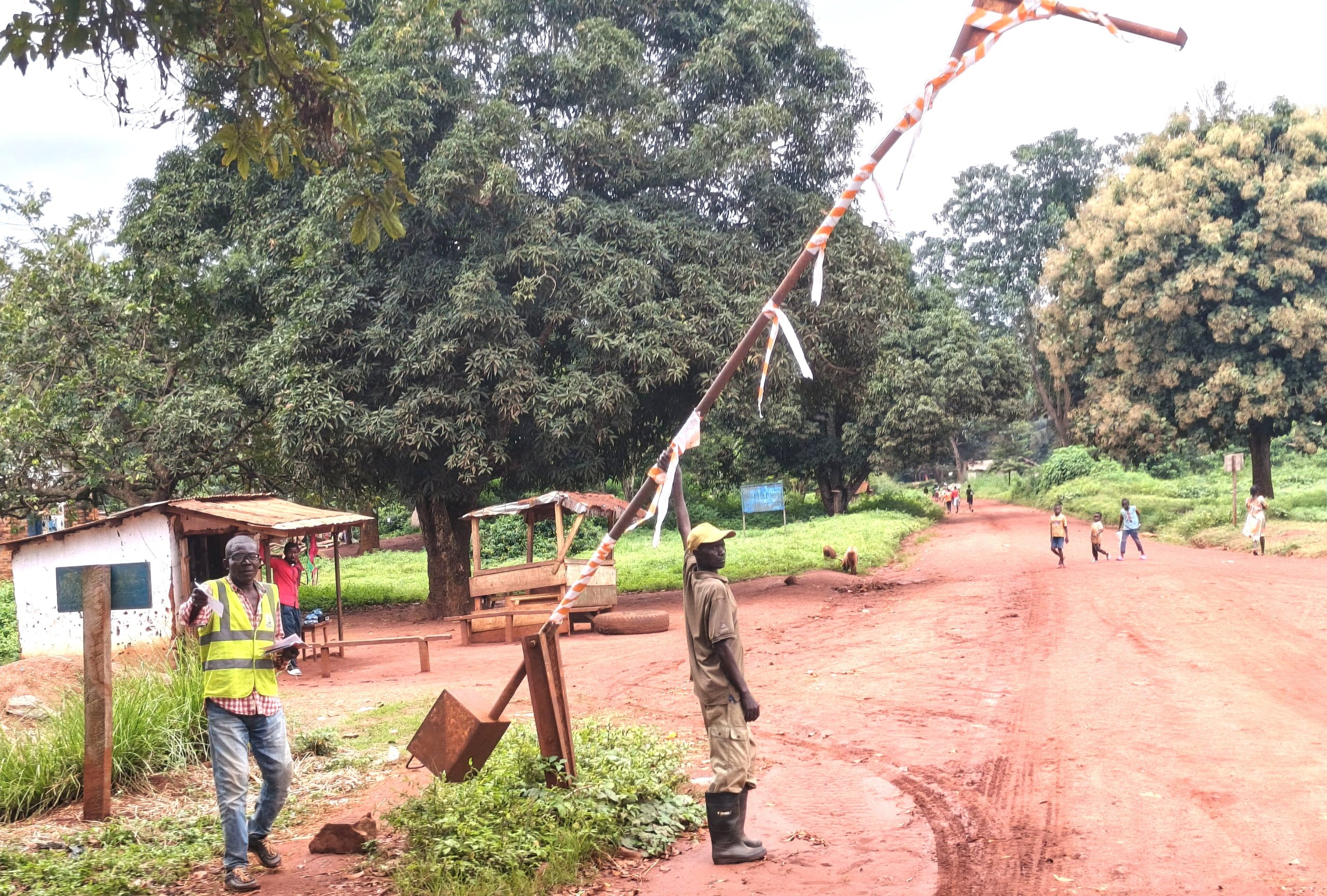
The Central African Republic (RCA) stands as a central component of the Wagner Group's global financing mechanism, according to the report. The Central African Republic (RCA) is identified as being at the center of this global financing mechanism. Direct access to natural resources within the country, particularly through the exploitation of the Ndassima gold mine, generates substantial revenues. These funds reportedly bypass official banking channels, contributing to the opacity of the group's financial operations. Direct access to natural resources, notably through the exploitation of the Ndassima gold mine, generates massive revenues that escape official banking channels. Mechanisms identified include the establishment of shell companies, as well as logistics and commercial firms, both based within the RCA and internationally. These entities are used to launder capital and procure essential security equipment, further enabling the Wagner Group's activities and financial autonomy. The creation of shell companies, logistics, and commercial firms based in RCA and abroad, which launder capital and purchase necessary security equipment, is a critical part of this financial infrastructure.
Broader Regional Impact
Data collected by experts from the Global Initiative Against Transnational Organized Crime, supported by reports from the NGO The Sentry, indicate that methods tested in Bangui are now being transposed to other African regions, creating a corridor of financial instability. This barter model, which exchanges security for regimes for mining concessions, deprives local populations of the economic benefits from their own resources. Such a drain on national wealth has severe consequences for regional development, according to the report. This drain on national wealth has severe consequences for regional development. Instead of bringing promised stability, the group's financial independence allows it to act outside any legal framework or democratic control. The situation notes the need for increased surveillance of capital flows and reform of mining resource management mechanisms to counter the entrenchment of these transnational criminal structures. The report emphasizes that this barter model, where security for regimes is exchanged for mining concessions, deprives local populations of the economic benefits from their own resources.