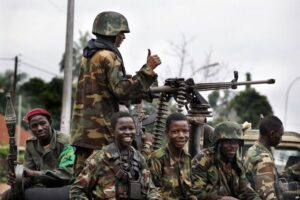
Panic and uncertainty have enveloped the Tissi border region since September 2, following reports of an offensive involving Wagner and Forces de soutien rapide (FSR) elements. Since September 2, panic and uncertainty have reigned in Tissi, with residents and international observers expressing deep concern over the escalating situation. The prospect of a major conflict has cast a shadow over the tri-border area, prompting widespread apprehension among the local population. The developments have sparked significant concern among residents and observers in the area, who are closely monitoring the movements of various armed groups.
Alliance and Objective
Information circulating insistently suggests that Tissi is the imminent target of a large-scale assault by Russian Wagner mercenaries. These mercenaries are reportedly supported by elements of the Sudanese Forces de soutien rapide (FSR), led by General Mohamed Hamdan Dagalo, widely known as 'Hemetti'. This alliance has raised alarms across the region due to the FSR's recent activities and Wagner's expanding footprint in Central Africa. According to several local sources, equipment provided by the Wagner group in Bangui was transferred directly to FSR fighters stationed in the area, indicating a direct logistical and material support link between the two entities. This transfer of military hardware shows the coordinated nature of the planned offensive. The stated objective of this Russo-Sudanese alliance is to neutralize elements of the Front populaire pour la renaissance de la Centrafrique (FPRC), led by Noureddine Adam, and their allies, who have a presence in the Tissi sector. This targeting of specific rebel groups suggests a strategic aim to eliminate opposition forces perceived as threats to the operational objectives of the Wagner-FSR coalition.
Strategic Location and Movement
Tissi is strategically located at the exact junction of the borders of Chad, Sudan, and the Central African Republic (CAR), making it a critical geopolitical flashpoint. The region's porous borders and complex network of alliances and rivalries contribute to its inherent instability. Rebel forces, part of a coalition that was responsible for the brief capture of Am Dafok in late June, had retreated to the Tissi sector on the Central African Republic side after their adversaries retook Am Dafok a week later. This earlier conflict and subsequent retreat highlight the fluidity of control in the border areas and the persistent presence of armed groups. Separately, a heavily armed convoy departed Bangui, the capital of the Central African Republic, on August 31. This convoy's destination was Ndélé, the capital of the Bamingui-Bangoran prefecture, according to reports. The movement of such a significant military convoy further indicates a buildup of forces and resources in preparation for potential large-scale operations in the broader region, adding to the anxieties in Tissi.
Regional Instability and Response
The ongoing offensive reportedly aims to cross the demarcation line to attack Chadian national army positions in Chad. This aggressive move is intended to provoke a security coup and destabilize the entire tri-border area, according to claims circulating among local populations and security analysts. The implications of such an incursion would be severe, potentially drawing Chad into a direct conflict and further exacerbating regional tensions. Populations in Tissi are currently awaiting armed conflict, with a palpable sense of dread hanging over the community. The Chadian army and allied groups are reportedly preparing to retaliate against any attempted incursion, signaling a firm resolve to defend their territory and prevent further destabilization. This readiness for confrontation suggests that any move across the border could quickly escalate into a full-blown military engagement, with potentially devastating consequences for the civilian population and the stability of the wider Central African region. The international community is closely watching the developments, recognizing the potential for a humanitarian crisis and a broader regional conflict if the situation is not de-escalated.