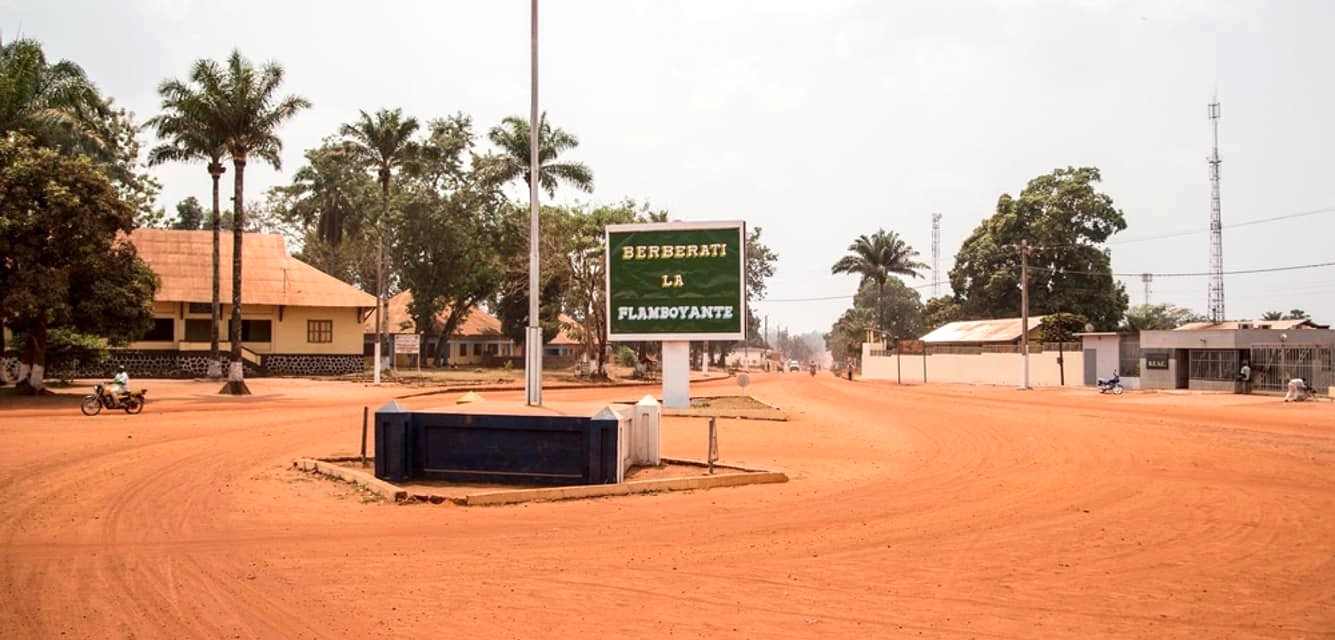
Reuters revealed on June 7, 2026, that the United States and the Central African Republic (RCA) reached an agreement for the RCA to receive undocumented non-national migrants expelled by the U.S. The deal involves the U.S. Secretly sending migrants to the Central African nation. This arrangement marks a significant development in U.S. Immigration policy, transferring individuals who are not citizens of either country to the RCA. The agreement, which has been kept under wraps, has raised considerable concerns among human rights organizations and international observers. The revelation by Reuters on June 7, 2026, brought to light the details of this controversial pact, outlining the Central African Republic's commitment to accept these migrants.
A 'Prison Without Bars'
The U.S. Department of State currently classifies the Central African Republic at Level 4, advising American citizens "Do Not Travel" to the country due to chronic insecurity and the widespread presence of armed groups. This "Do Not Travel" advisory is the highest level of warning issued by the State Department, showing the severe risks present within the country's borders. Despite this official assessment of extreme danger, the nation has previously been a destination for exiled political figures. In 2004, Haiti's then-democratically elected president, Jean-Bertrand Aristide, was sent to the Central African Republic following his removal from power, illustrating a historical precedent for the country being a destination for individuals expelled under contentious circumstances. The classification at Level 4 by the U.S. Department of State is specifically attributed to chronic insecurity and the widespread presence of various armed groups, making the choice of the RCA as a destination for vulnerable migrants particularly perplexing and alarming to critics.
The "Buy-Off" for Expulsion
The Central African Republic (RCA) is reportedly receiving $85 million in connection with the agreement. This substantial payment is officially directed to the Organisation internationale pour les migrations (OIM), also known as the International Organization for Migration (IOM). The arrangement facilitates the expulsion of undocumented non-national migrants by the United States to the Central African nation. The financial transfer to the OIM positions the organization as an intermediary in the controversial deal, which has drawn scrutiny regarding the destination country's stability and human rights record. The funds are designated to support the logistics and integration efforts related to the migrants received by the RCA, though the effectiveness and ethical implications of such "integration" in a country facing severe internal challenges remain highly questionable. The $85 million payment to the IOM, while ostensibly for logistical and integration support, is viewed by many as a financial incentive for the Central African Republic to accept a burden it is ill-equipped to handle, effectively a "buy-off" for facilitating the U.S. Expulsion policy.
Ethical and Legal Violations
The Central African Republic (RCA) currently faces significant humanitarian challenges, with official data indicating over 1.4 million internally displaced persons within its borders. This staggering number of internally displaced persons notes the country's existing struggles to provide for its own citizens, raising serious questions about its capacity to integrate additional vulnerable populations. The article claims the United States' agreement to send migrants to the RCA violates the principle of non-refoulement, a cornerstone of international refugee law that prohibits returning individuals to a country where they would face persecution. Additionally, the report states that the U.S. Is not adhering to the provisions of the Geneva Convention through this arrangement, specifically those pertaining to the protection of refugees and asylum seekers. Critics argue that transferring migrants to a country with such a high level of insecurity and internal displacement, and a "Do Not Travel" advisory from the U.S. Itself, directly contradicts the spirit and letter of international human rights and refugee protection frameworks. The alleged violations of the principle of non-refoulement and the Geneva Convention show the profound ethical and legal concerns surrounding this secretive agreement.