The Central African government on August 24 denounced UNOPS's persistent shortcomings in executing infrastructure projects intended for the North-east populations. The denouncement was issued in a press release and follows a statement made on Thursday in Bangui by Sanjay Mathur, UNOPS Regional Director for Africa. This strong condemnation from the Central African authorities notes growing frustrations regarding the pace and efficacy of key development initiatives in a region long in need of improved infrastructure. The government's formal statement shows the critical importance it places on these projects for the well-being and development of its citizens.
Government's Denunciation
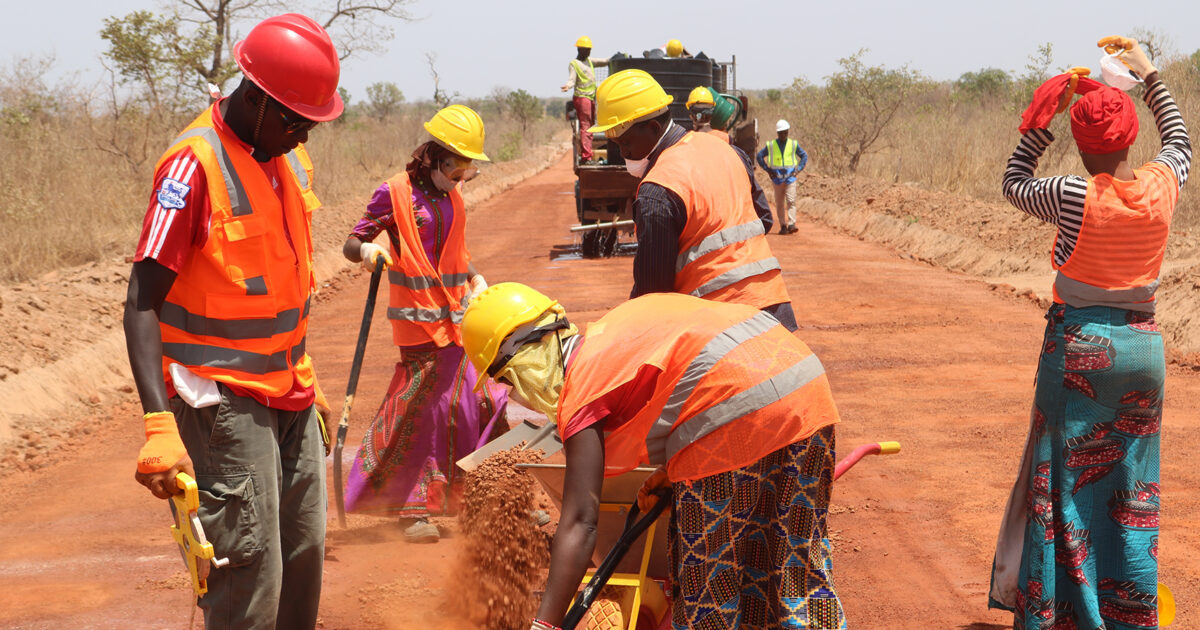
Central African authorities stated UNOPS has consistently failed to deliver infrastructure projects vital for the populations in the North-east. This failure, according to the government, has had tangible negative impacts on communities awaiting essential services and connectivity. The government specifically cited the UN agency's inability to complete the construction of 410 km of rural roads, as well as the markets in Ndélé, Ouadda, and Mbrès. These projects were part of a broader initiative aimed at improving connectivity and economic opportunities in the region, designed to foster local trade and facilitate access to remote areas. The Central African government also pointed to UNOPS's failure to construct 16 health centers and a hospital in Ndélé. According to the government, these shortcomings have left communities without critical services and infrastructure, impacting public health and access to medical care. The press release emphasized that these unfulfilled commitments represent a significant setback for the development aspirations of the North-east.
Project Details and Funding
The infrastructure initiative, which has drawn government criticism, is jointly financed by the World Bank and the French Development Agency (AFD). A core component of the project involves the rehabilitation of the road linking Ndélé and Ouadda. This particular road segment is key for connecting these two key locations, facilitating movement of goods and people. Additionally, the plan includes the construction of four new bridges along the Mbrès to Ndélé section. These bridges are integral to improving transport links and ensuring year-round access, particularly during rainy seasons when river crossings can become impassable, thereby facilitating access for communities in the North-east. The funding from these international partners was allocated with the aim of bolstering regional development and providing essential services to previously underserved areas. The scope of these projects shows the significant investment intended to transform the region's infrastructure landscape, providing a foundation for economic growth and improved living conditions. The full nature of the plan was designed to address multiple facets of infrastructure deficit, from transportation to public health facilities.
UNOPS Rebuttal and Progress
In response to the government's criticism, UNOPS stated that funds disbursed by the World Bank and the French Development Agency (AFD) were automatically implemented. This assertion suggests that the financial mechanisms for project execution have been properly activated. The UN agency added that road works related to these projects started "a long time ago," implying that progress has been underway despite the government's recent denunciation. This statement addresses the Central African government's denunciation of persistent shortcomings in infrastructure execution, particularly concerning the construction of rural roads and other essential facilities in the North-east. UNOPS's assertion suggests that tangible progress has been made on the ground following the financial allocations from its partners, aiming to counter the perception of complete inaction. The agency's rebuttal notes a difference in perspective regarding the timeline and execution status of the infrastructure initiatives, indicating a potential disconnect between the perceived and actual progress of the projects. Sanjay Mathur, UNOPS Regional Director for Africa, delivered this statement on Thursday in Bangui, providing the agency's official position in the face of the Central African government's public criticism.