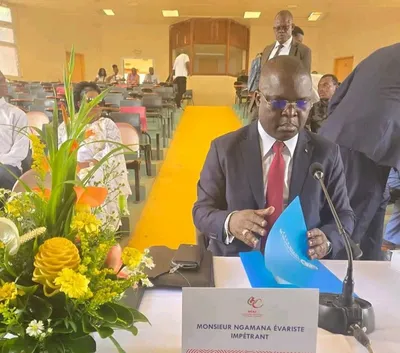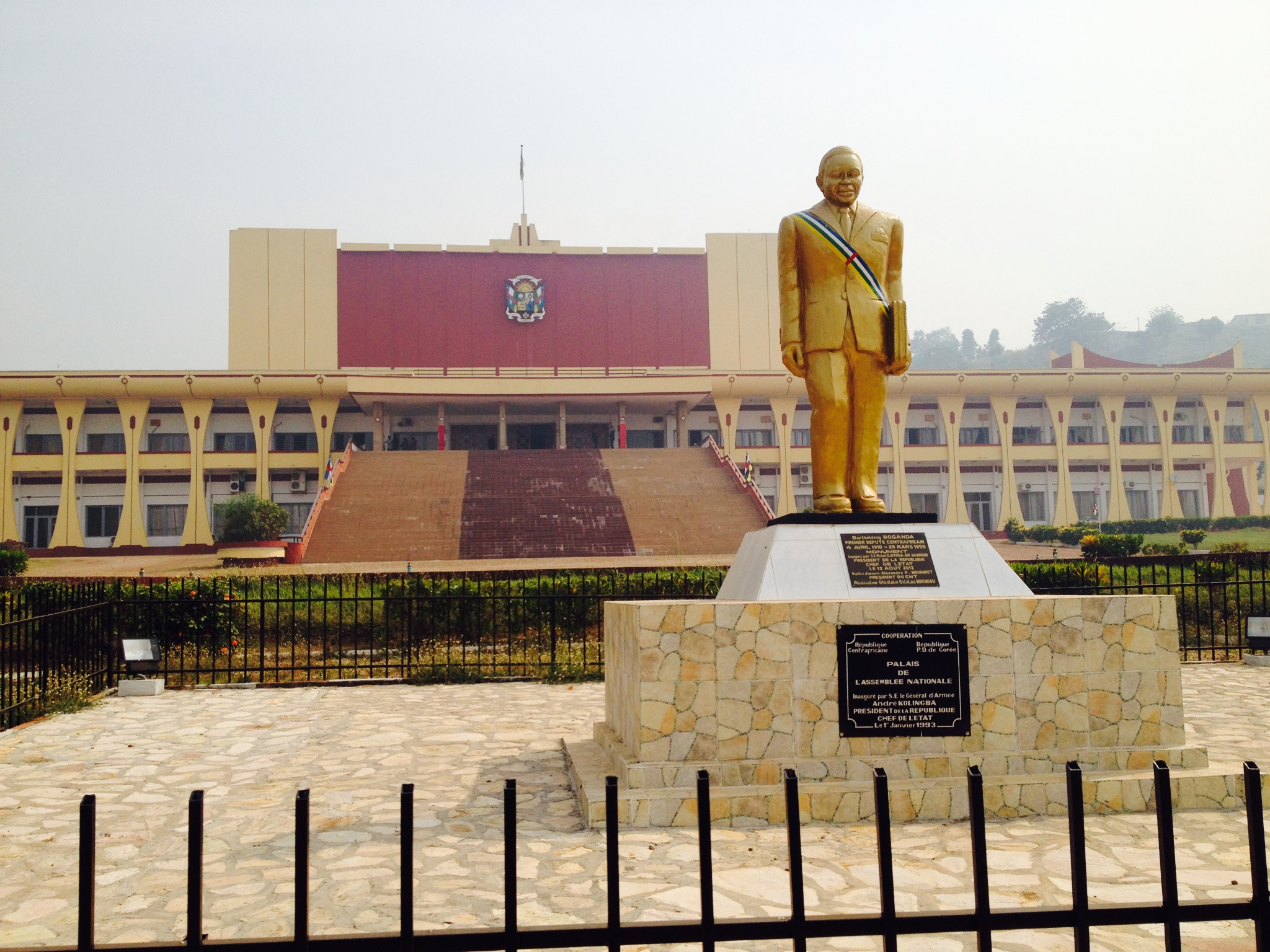
This chronicle, published on August 29, 2026, focuses on detailing the rights and duties incumbent upon a Member of the Nation. The report examines the responsibilities associated with the position, providing an overview of the expected conduct and functions that underpin democratic governance. Mathurin Dimbélé-Nakoé, who serves as the deputy for Sosso-Nakombo, is among the individuals whose roles are explored within the broader context of national representation. This exploration aims to shed light on the critical functions performed by elected representatives. The article ultimately seeks to clarify the multifaceted nature of public service for elected officials, emphasizing their key role in connecting citizens with the legislative and executive branches of government.
The Deputy's Mandate
The role of a Member of the Nation, often referred to as a deputy, encompasses several core responsibilities within the legislative framework of a country. These duties typically involve representing the interests of their constituents, actively participating in the legislative process, and overseeing government actions to ensure accountability. In Centrafrique, for instance, a deputy such as Mathurin Dimbélé-Nakoé, representing the constituency of Sosso-Nakombo, is expected to serve as a vital conduit between the local population they represent and the national government situated in Bangui. This dual role requires both local engagement and national participation.
The mandate of a deputy is full, including the key tasks of deliberating on proposed laws, casting votes on legislation that shapes the nation's future, and contributing to the formulation and approval of the national budget. Deputies also extensively engage in committee work, where specific policy areas, ranging from finance to social welfare, are examined in detail by specialized groups. Oversight functions are critical, involving scrutinizing the executive branch's implementation of policies and its judicious use of public funds. This critical function ensures accountability and transparency in governance, acting as a check on governmental power. Additionally, deputies often act as dedicated advocates for their electoral districts, tirelessly addressing local concerns and seeking effective solutions at the national level. The position demands regular and proactive communication with constituents to understand their evolving needs and to convey legislative developments from the capital back to the local communities.
Guest Profile and Expertise
Mathurin Dimbélé-Nakoé is featured as the guest for this chronicle, bringing significant experience and insight to the discussion. Mr. Dimbélé-Nakoé currently serves as the esteemed president of the laws commission within the National Assembly, a role that places him at the heart of legislative drafting and review. His position at the commission involves presiding over complex legislative processes related to the formation, amendment, and repeal of laws. This leadership role requires a detailed and nuanced understanding of legal frameworks, constitutional principles, and parliamentary procedures to effectively guide legislative work and ensure its adherence to legal standards. His expertise is key in shaping the legal landscape of the nation.
Broader Context and Significance
The role of a Member of the Nation, exemplified by figures such as Mathurin Dimbélé-Nakoé, extends beyond individual legislative duties to encompass a broader significance for national governance and democratic health. Deputies, including Mr. Dimbélé-Nakoé who represents Sosso-Nakombo and presides over the influential laws commission, serve as key links between the populace and the government in Bangui, Centrafrique. Their active and informed involvement in legislative processes and diligent oversight functions is fundamental to democratic accountability and the rule of law. Organizations like Radio Ndeke Luka, supported by entities such as the Journalism Trust Initiative, Fondation Hirondelle, Union Européenne, and DDC, often play a vital role in disseminating accurate and timely information about these public service functions. This commitment to transparency helps citizens understand the significant contributions of their representatives to national development and the integrity of legal frameworks. The position of a deputy, therefore, symbolizes the active participation of citizens in shaping the nation's future through elected representation, embodying the principles of democracy and public service.