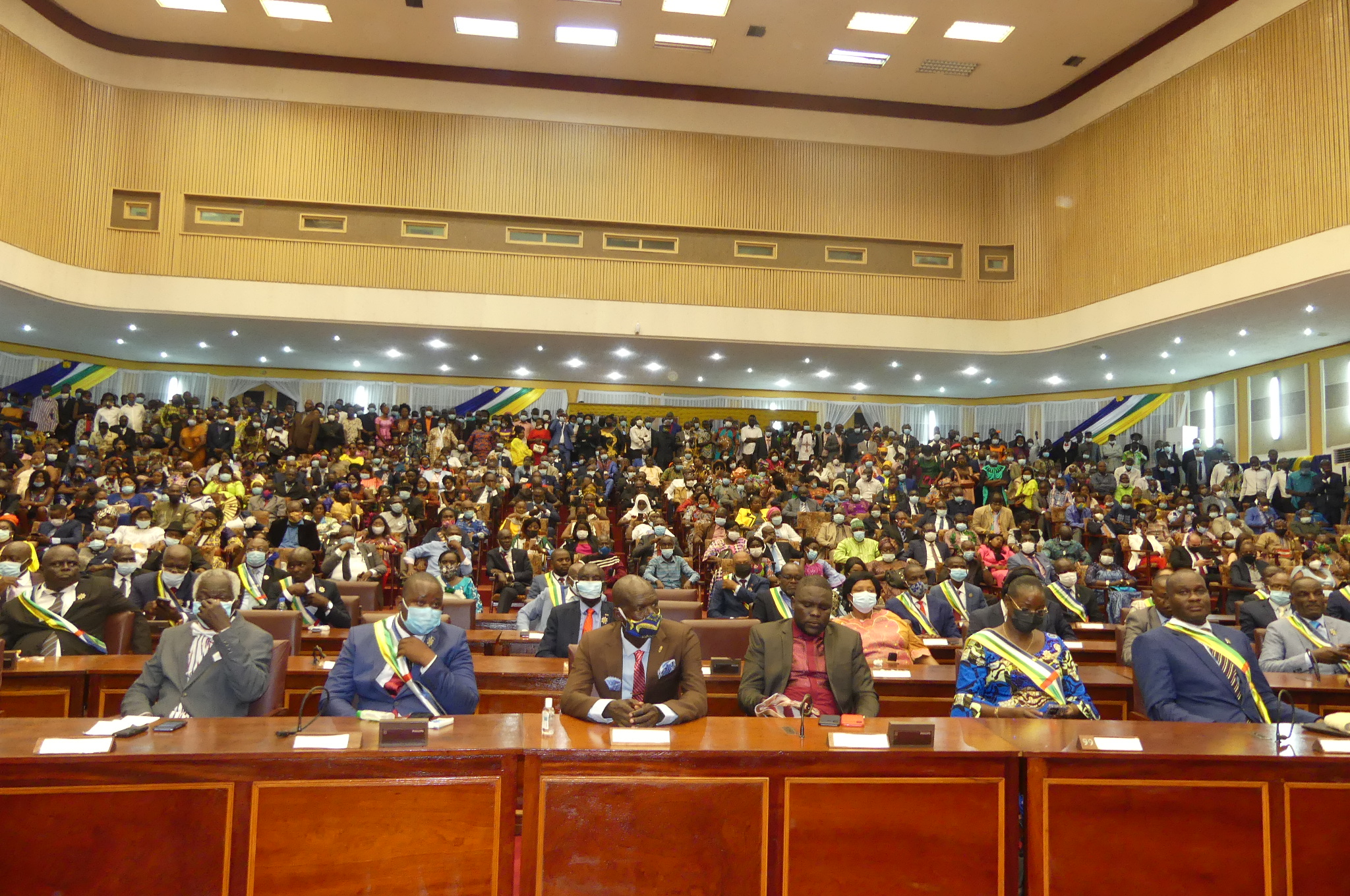
This section explores the functions of the permanent commissions within the National Assembly, outlining their significance in the legislative process. These commissions are integral to the legislative body's operation, particularly in nations like Centrafrique where the Assemblée nationale plays a key role in governance. They serve as specialized working groups that examine proposed legislation, conduct oversight, and contribute to policy formulation before matters reach the full assembly for debate and vote. The commissions ensure a detailed review of bills and government actions, addressing the key role of these permanent commissions at the National Assembly in shaping national policy and legislation.
Parliamentary Chronicle Context
This article is presented as part of a parliamentary chronicle, a series designed to explain the workings of the Assemblée nationale in Centrafrique. These chronicles aim to enhance public understanding of legislative processes and the mechanisms through which laws are made and government is held accountable. Supporting this effort, audio versions of the chronicles are accessible to the public, presented in both French and Sango, according to information provided by the project. This initiative shows a commitment to transparency and accessibility, ensuring that citizens can engage with and comprehend the legislative activities of their representatives.
Core Functions and Mandates
Permanent commissions within the Assemblée nationale in Centrafrique are tasked with specific responsibilities essential to the legislative process. Their primary attributions involve an in-depth examination of proposed legislation. This includes scrutinizing bills introduced by the government or individual members of the Assemblée nationale, ensuring that texts are thoroughly reviewed for their legal implications, practical feasibility, and alignment with national objectives. The commissions serve as specialized bodies where legislative proposals are debated, amended, and refined before being presented to the full assembly for a vote. This detailed preliminary work is key for the efficiency and effectiveness of the legislative body. The article specifically discusses these main attributions of permanent commissions, noting their foundational role in the legislative pipeline.
Beyond legislative review, these commissions also play a critical role in parliamentary oversight. They monitor the executive branch's actions, policies, and expenditures, ensuring accountability and transparency in government operations. This oversight function can involve summoning government officials for questioning, conducting investigations, and requesting relevant documents. The commissions provide a continuous mechanism for scrutinizing government performance and adherence to legal frameworks, acting as a vital check on executive power. The commissions contribute significantly to policy formulation by conducting studies, gathering expert opinions, and engaging with stakeholders on various issues. Their work helps to inform and shape public policy, providing a detailed and specialized perspective that complements the broader deliberations of the full legislative body. This structured approach allows for a more detailed and informed decision-making process within the Assemblée nationale, ensuring that legislative outcomes are well-considered and strong.
Position Relative to Plenary Sessions
A key consideration regarding the role of permanent commissions is their hierarchical relationship with the plenary sessions of the Assemblée nationale. The question has arisen whether these commissions operate above the authority of the full assembly. While commissions are critical for detailed examination and preliminary work on legislative proposals, their decisions and recommendations are ultimately subject to review and approval by the entire Assemblée nationale. They function as specialized preparatory bodies, conducting in-depth analyses and crafting refined texts that are then presented to all members for final debate and vote. This structure ensures that while expert scrutiny occurs at the commission level, the final legislative authority rests with the plenary body, representing the collective will of the elected representatives in Centrafrique. This clarification is vital for understanding the balance of power and responsibilities within the legislative framework, ensuring that specialized work supports, but does not supersede, the democratic process of the full assembly.