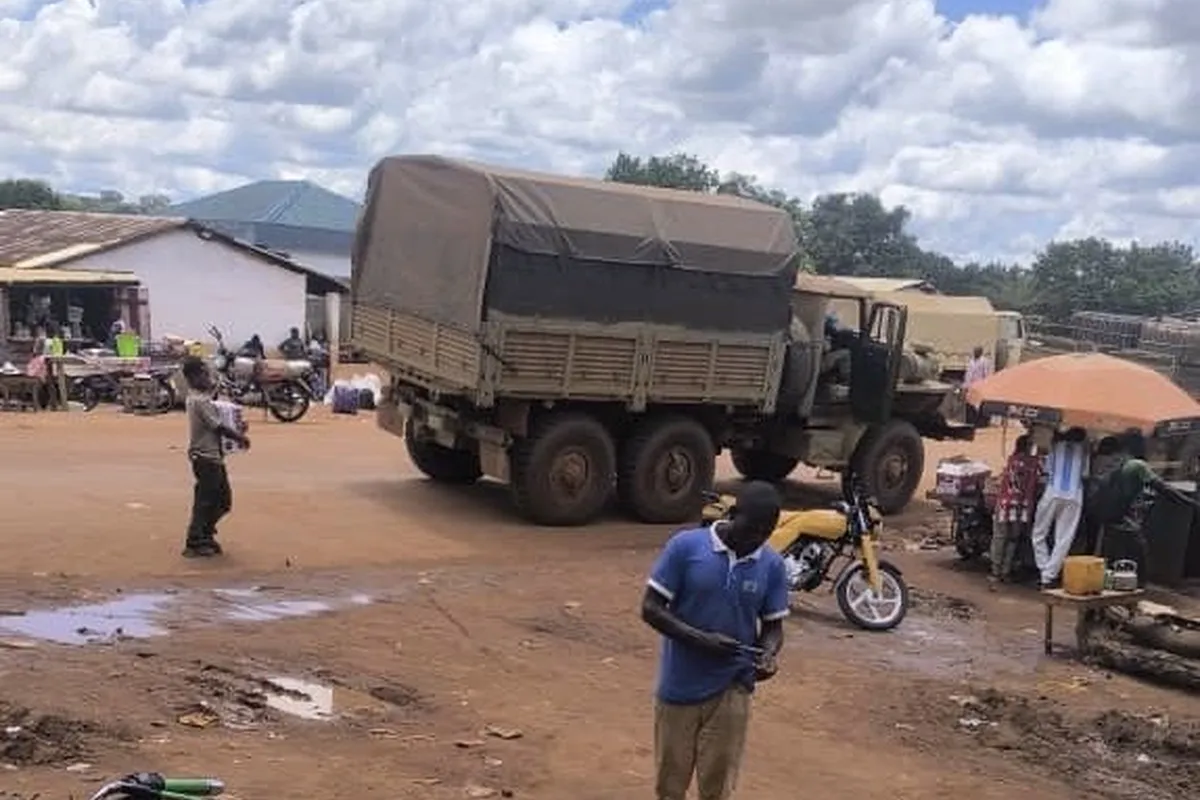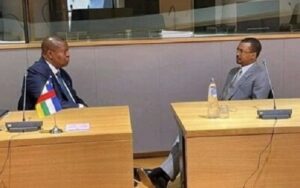
An attack occurred on 10 October 2026 in the Nabagaye-Tissi sector, a region situated near the border of the Central African Republic, Chad, and Sudan. Military and civilian observers have monitored the area closely following the violence. The incident took place at the intersection of these three national territories, complicating security assessments for authorities in Bangui and N’Djamena. Forces operating in the vicinity of the Vakaga prefecture and the border town of Tissi are currently evaluating the impact of the clash on local stability. No further details regarding casualties or the identities of the armed groups involved have been confirmed by officials from the République centrafricaine or Tchad at this time. This specific event on 10 October 2026 in the Nabagaye-Tissi sector remains the primary point of concern for regional security officials tasked with monitoring the tri-border area.
Diplomatic Fallout and Protests
Chadian officials summoned the ambassador of the République centrafricaine to N’Djamena on 11 October 2026. This diplomatic move followed a military incursion into the Amnabaka-Tissi zone. The incident on 10 October 2026 resulted in 16 soldiers from Tchad being wounded. The government of Tchad officially protested the military incursion into the Amnabaka-Tissi zone during the meeting with the ambassador on 11 October 2026.
Jules Njawé, a counselor to President Faustin-Archange Touadéra, alleged on 19 October 2026 that Tchad and France are preparing an offensive against the République centrafricaine. During an interview with journalist Alain Foka, Jules Njawé claimed the military mobilization involves 103 armed pick-up trucks and two French fighter jets. Jules Njawé made these public accusations during his interview with the journalist Alain Foka on 19 October 2026, marking a significant moment in the ongoing public discourse surrounding the border dispute.
Jules Njawé expressed his disdain for those he believes are undermining diplomatic relations, stating, "Parce que le nom des mesquins, je ne garde pas les noms des mesquins dans ma tête." Addressing the conduct of officials during this period of rising tensions, he added, "Être un homme, ce n’est pas seulement se cacher derrière une carapace de ministre et menacer."
The counselor also directed sharp criticism toward the Chadian government regarding its perceived role in the border volatility. He asserted, "Qu’il assume les complicités de son pays contre un pays frère." These accusations mark a significant escalation in the rhetoric between the two nations following the clash in the border region. The intensity of these statements reflects the deteriorating communication channels between the administrative centers of the République centrafricaine and Tchad as both sides continue to exchange allegations regarding the security status of the border zones. Officials remain engaged in evaluating the long-term consequences of these developments on the bilateral relationship.