High tension has prevailed for over four days in the village of Tallah, where violent clashes have erupted between indigenous farmers and nomadic Peul herders. The conflict, which has gripped the community, stems from grave allegations that a young girl suffered a sexual assault by herders while in the fields. This deeply disturbing claim ignited the initial confrontation, rapidly escalating into a broader conflict. The ongoing situation has escalated, drawing significant concerns from local authorities about the stability and security in the region, particularly given the historical fragility of inter-communal relations. The specific details surrounding the alleged assault remain under thorough investigation, with community leaders persistently calling for calm amidst the rising friction and urging restraint from all parties involved. Residents report an atmosphere of palpable fear and uncertainty as the confrontation continues to unfold in Tallah, disrupting daily life and threatening the social fabric of the area.
Escalating Retaliation
In a swift and aggressive response to the initial allegations, a group of young villagers armed themselves and directly targeted the herders' cattle. Reports from the area indicate that these villagers actively pursued the livestock, chasing and subsequently slaughtering several oxen belonging to the nomadic herders. This act of retaliation, perceived as a direct provocation, precipitated a severe and immediate response from the herders. The herders subsequently raided the village of Tallah, setting fire to several homes in a clear and destructive escalation of the conflict. This retaliatory attack caused significant damage and instilled further terror among the villagers. The cycle of violence has intensified dramatically, with each side responding to perceived provocations from the other, leading to a dangerous spiral of aggression. Local authorities are monitoring the situation closely and are attempting to mediate, but tensions remain extremely high in the community, with fears of further violence looming.
External Intervention and Uncertainty
The volatile situation took another turn with the arrival of Russian mercenaries in Tallah following the outbreak of violence. Their presence, which occurred after the initial clashes between the farmers and herders, had an immediate and decisive impact: the herders promptly fled from the area. The intervention of these external actors has added a new layer of complexity to an already fraught situation. Authorities and observers are currently facing significant uncertainty regarding the exact origin of the nomadic herders involved in the conflict. It remains unclear whether they are Central African nationals, indigenous to the region, or if they originate from neighboring countries such as Sudan or Chad. This ambiguity complicates efforts to identify and address the root causes of the recurring tensions in the region, making it difficult to establish dialogue or implement long-term solutions. The sudden departure of the herders under these circumstances leaves many unanswered questions about their identity, their future movements, and the potential for their return.
Context of Conflict
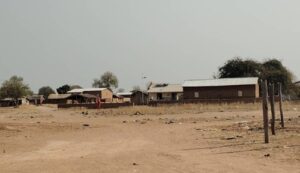
Tallah is a village strategically situated 97 kilometers from Birao along the Ouanda-Djallé axis, within the Vakaga prefecture. Its remote location often makes it vulnerable to such inter-communal disputes. The violence in the village dates back specifically to Tuesday, May 19th, marking the beginning of the current four-day period of high tension and conflict. The area has historically experienced intermittent clashes between settled agricultural communities and nomadic pastoralists, often over resources like land and water, but the current incident's alleged catalyst marks a particularly sensitive and dangerous development. The presence of indigenous farmers and nomadic Peul herders in close proximity often leads to competition for resources, which can be exacerbated by accusations of criminal acts. The current events in Tallah show the persistent challenges of maintaining peace and security in this part of the country.