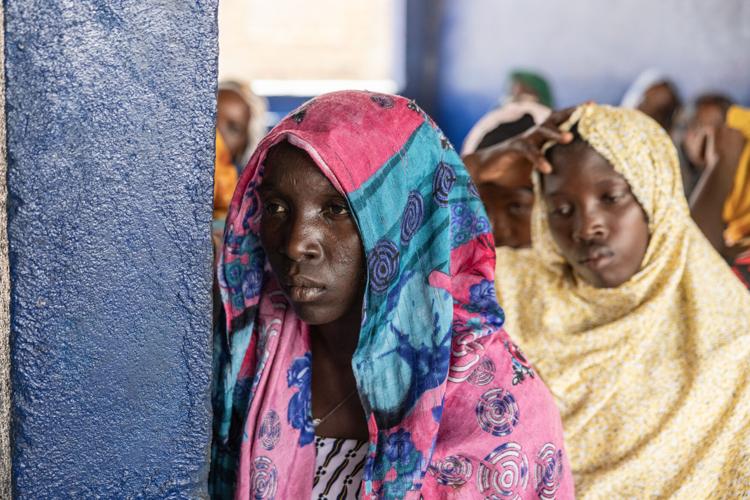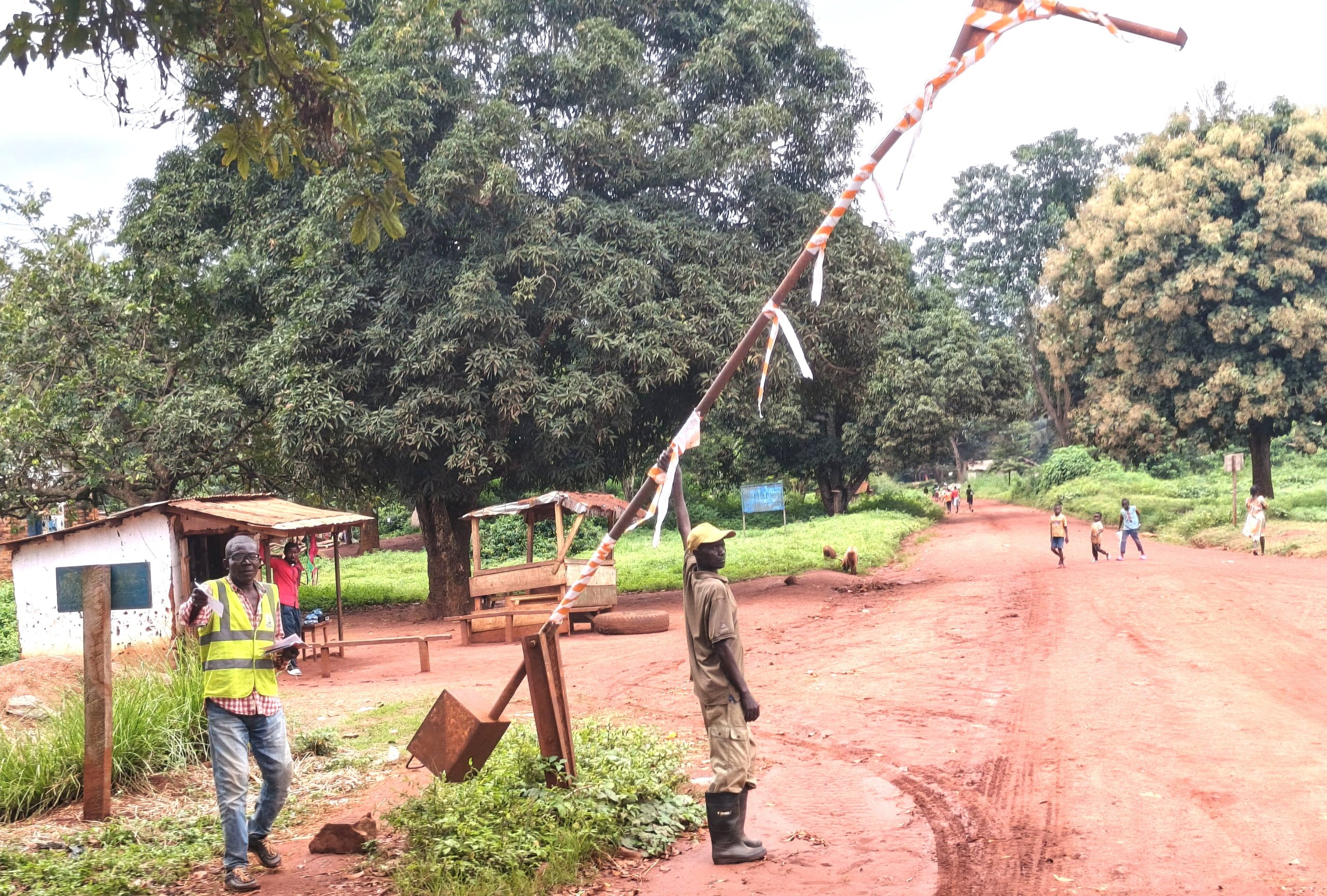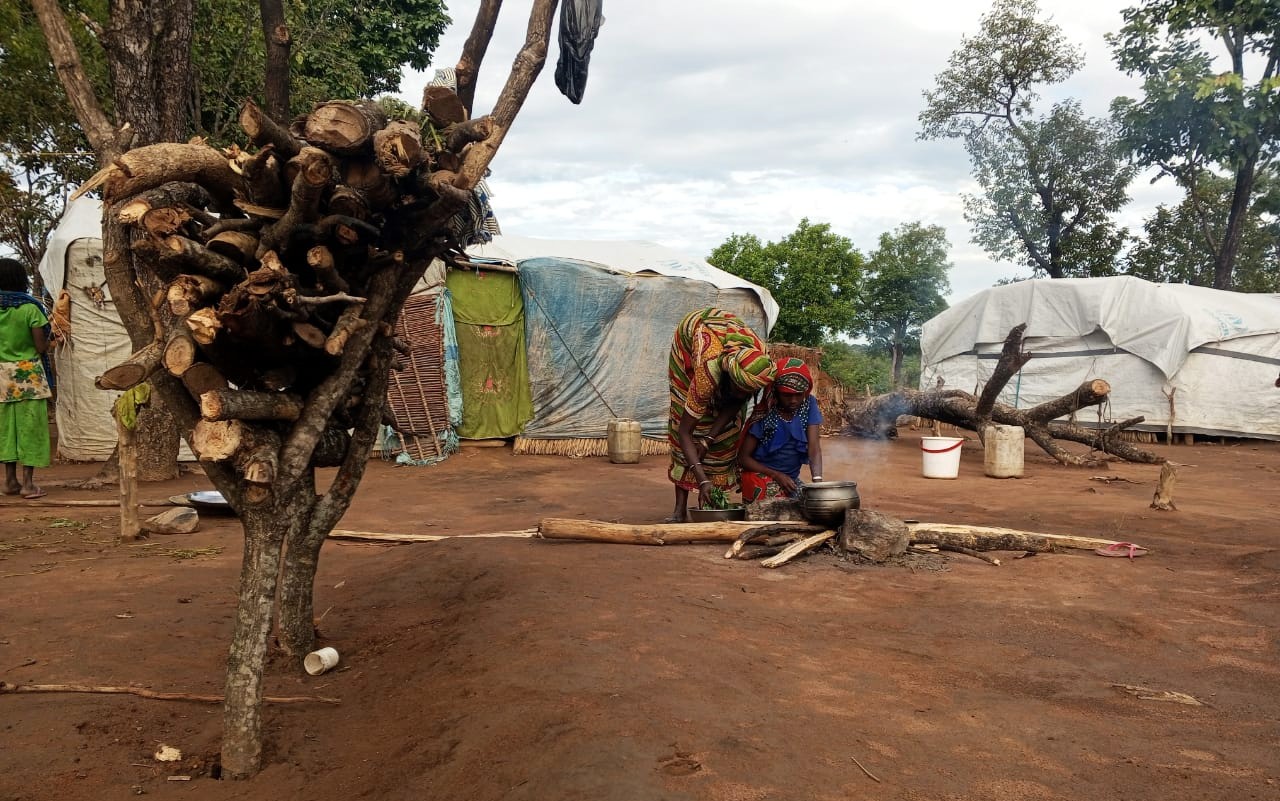
Sudanese refugees in Ouandja-Kotto, a remote town in the Central African Republic's Vakaga prefecture, continue to experience significant daily hardships, according to a recent report from the area. Ouandja-Kotto is situated over 900 kilometers from the capital, Bangui, presenting substantial logistical challenges for aid delivery and oversight. The report, originating from Ouandja-Kotto itself within the Vakaga prefecture, notes the persistent struggles faced by these displaced individuals despite ongoing humanitarian efforts. The sheer distance of Ouandja-Kotto from the national capital shows the profound difficulties in ensuring consistent and full support for the vulnerable population residing there.
Remote Location and Refugee Numbers
Nearly 3,000 Sudanese refugees are currently living in Ouandja-Kotto, residing in difficult conditions at the town's aerodrome and Yangou Diamant sites. These asylum seekers have sought safety in the Central African Republic's Vakaga prefecture, a region characterized by its remote geography and limited infrastructure. Ouandja-Kotto itself is located more than 900 kilometers from the national capital, Bangui. This significant distance from central infrastructure and humanitarian hubs profoundly complicates the delivery of essential services and ongoing oversight for the displaced population. The presence of such a large number of refugees in this isolated area shows the severe humanitarian challenges in providing consistent support and addressing their daily struggles, which range from securing adequate food and water to accessing healthcare and proper shelter. The conditions at both the aerodrome and Yangou Diamant sites reflect the acute needs of these asylum seekers in a location that is inherently difficult to reach and sustain with aid.
Daily Challenges Amidst Assistance
The World Food Programme (WFP) and the United Nations High Commissioner for Refugees (UNHCR) provide assistance to Sudanese refugees in Ouandja-Kotto. Their support aims to alleviate some of the pressing humanitarian needs in the remote Vakaga prefecture, offering a critical lifeline to those displaced. However, despite these ongoing efforts from international organizations, the daily lives of the nearly 3,000 refugees remain profoundly challenging. The isolation of Ouandja-Kotto, situated over 900 kilometers from Bangui, complicates the consistent delivery of aid and resources, making regular distribution and monitoring a formidable task. Refugees at both the town's aerodrome and Yangou Diamant sites continue to face difficulties accessing essential services and maintaining adequate living conditions, illustrating the persistent nature of their struggles. The presence of WFP and UNHCR shows the recognition of the severe humanitarian situation, yet the sheer scale of needs in such a distant location means that challenges persist for the displaced population. Their assistance represents a critical lifeline, but the inherent logistical hurdles in this remote region mean that full support often struggles to keep pace with the ongoing requirements of the refugee community, leaving many basic needs unmet.
The Role of Aid Organizations
Despite the ongoing assistance provided by organizations such as the World Food Programme (WFP) and the United Nations High Commissioner for Refugees (UNHCR), Sudanese asylum seekers in Ouandja-Kotto continue to face numerous daily challenges. Refugees residing at the town's aerodrome and Yangou Diamant sites experience persistent difficulties in their daily lives. The remote location of Ouandja-Kotto, over 900 kilometers from Bangui in the Vakaga prefecture, significantly complicates the consistent delivery of aid and resources. This geographical isolation means that while support is present, it often struggles to fully address the full needs of the nearly 3,000 displaced individuals. Their daily lives remain arduous despite humanitarian efforts, with access to basic necessities like food, clean water, and medical care often being inconsistent. The report from Ouandja-Kotto serves as a stark reminder of the ongoing humanitarian crisis in this hard-to-reach part of the Central African Republic, emphasizing the critical need for sustained and enhanced support to mitigate the severe daily struggles faced by these vulnerable populations.