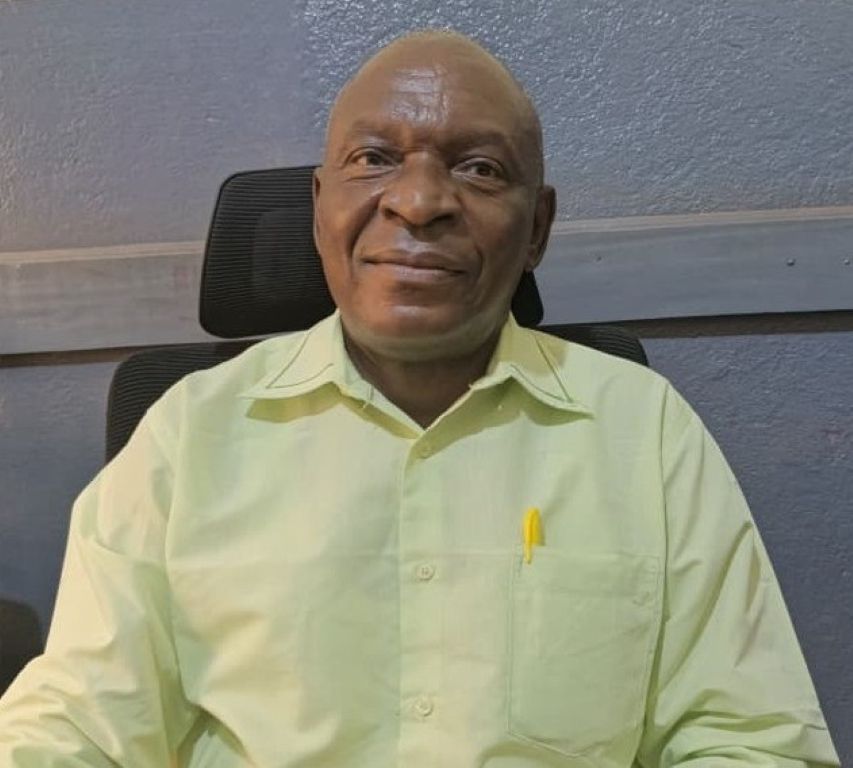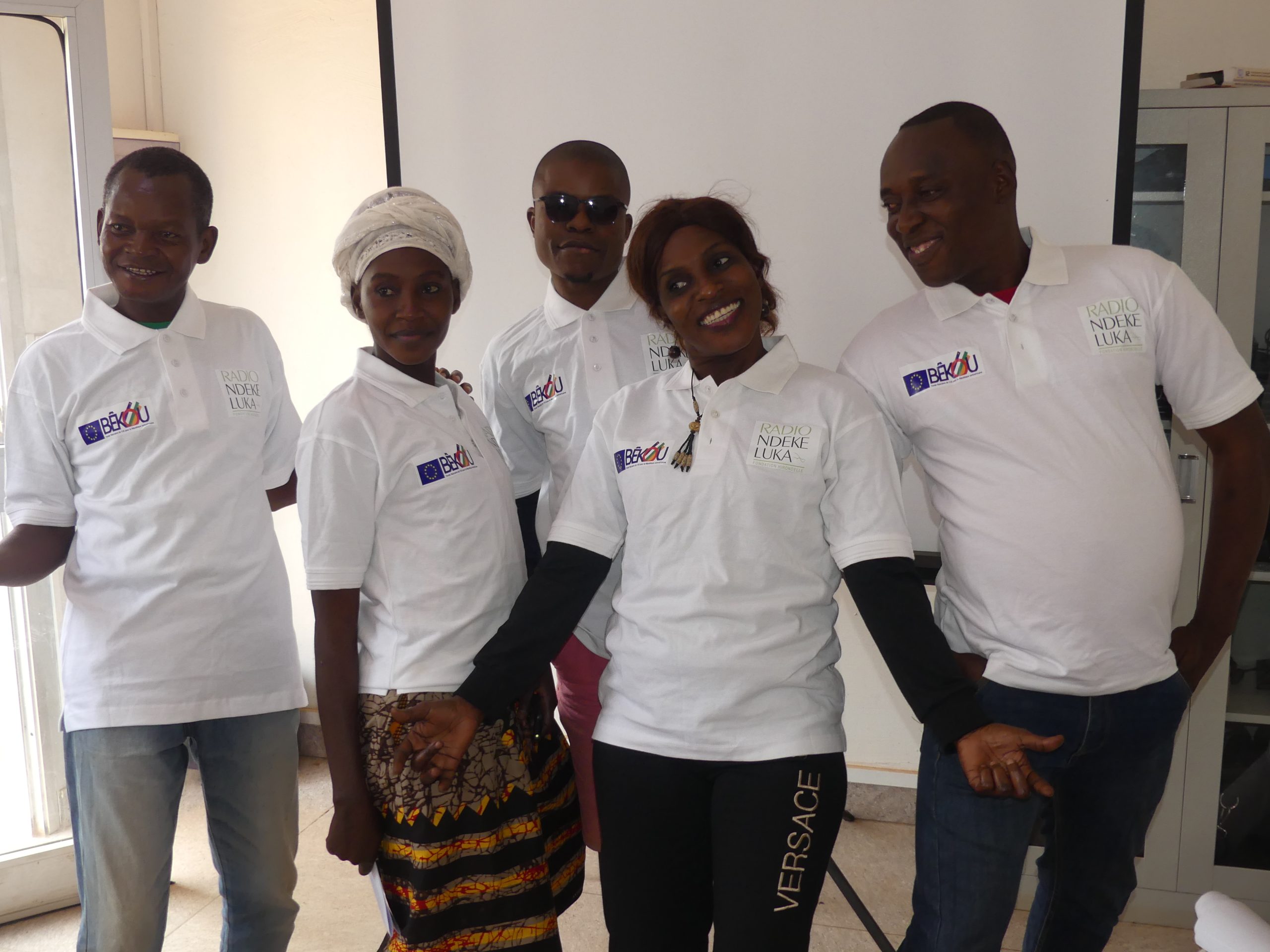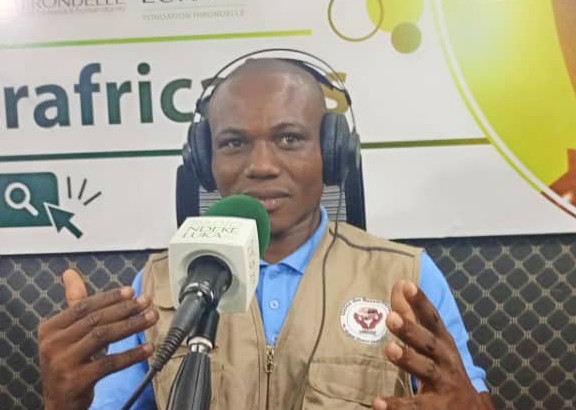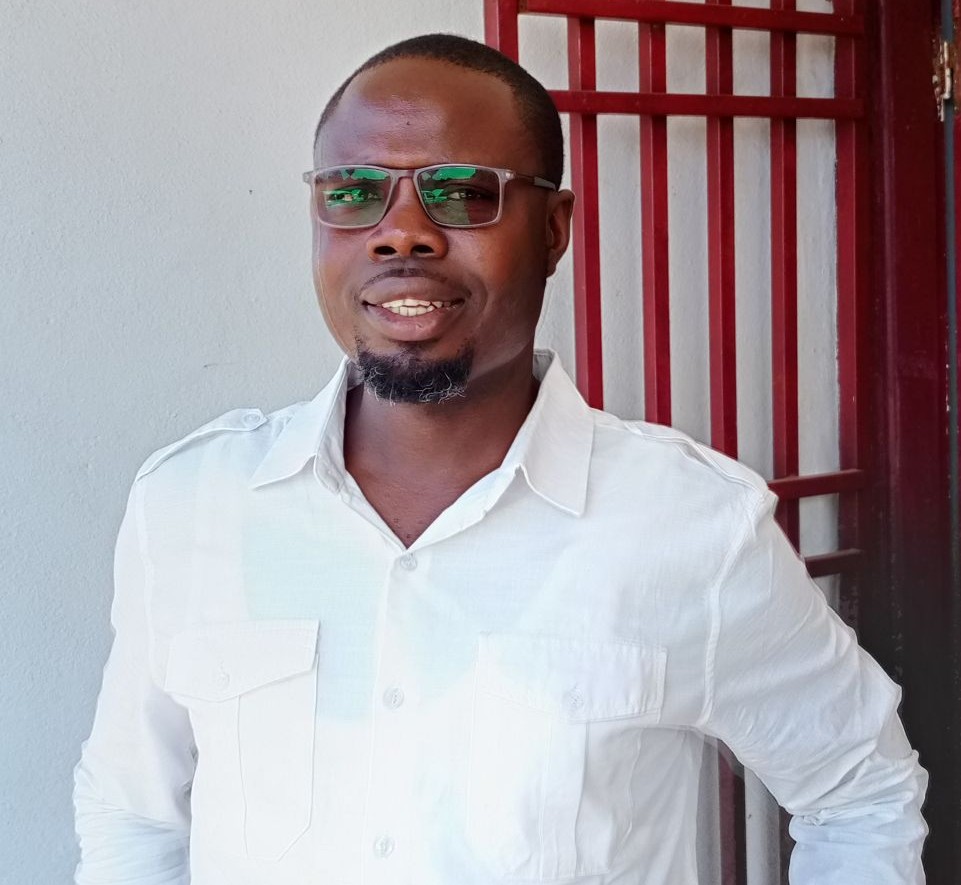
Cédric Prudent Moyenzokoa, rapporteur général of the Groupe thématique gouvernance démocratique, has called for student action against corruption in Centrafrique's schools. In an interview published on June 2, 2026, Moyenzokoa emphasized the urgent need for students to recognize their role in combating misconduct within the educational system. He stated, "Il est grand temps que chaque élève prenne conscience," showing the importance of individual awareness. The interview, conducted by Radio Ndeke Luka, was part of a series supported by the Journalism Trust Initiative, Fondation Hirondelle, Direction du développement et de la coopération DDC, and the Union Européenne.
The Urgency of Student Awareness
Cédric Prudent Moyenzokoa, rapporteur général of the Groupe thématique gouvernance démocratique, stressed that corruption in Centrafrique's schools often manifests in various forms. He noted practices such as teachers demanding money for grades, school directors misappropriating funds intended for school improvements, and administrative staff charging illicit fees for official documents or services. Moyenzokoa indicated that these actions not only undermine the quality of education but also erode trust in the institutions designed to serve students. He noted that students are frequently the direct victims of these corrupt schemes, impacting their academic performance and overall well-being. Raising student awareness about these issues is therefore a critical first step towards fostering a more transparent and equitable educational environment, according to Moyenzokoa. He believes that informed students are better equipped to identify, resist, and report corrupt practices.
Corruption's Widespread Reach
The ongoing fight against corruption within educational institutions is a central focus of the interview featuring Cédric Prudent Moyenzokoa. He detailed how various forms of corruption affect school environments, emphasizing that these illicit practices are not isolated incidents but rather systemic issues that undermine educational integrity. Moyenzokoa pointed out that students frequently encounter situations where teachers demand payments for grades, school directors divert funds meant for facility upgrades, and administrative personnel impose unofficial fees for essential documents or services. These actions, he explained, directly impact students' academic progress and their ability to access a fair education.
Moyenzokoa, rapporteur général of the Groupe thématique gouvernance démocratique, reiterated the necessity for students in Centrafrique to become more aware of these corrupt behaviors. He stated that recognizing and understanding the manifestations of corruption is the first step towards resisting and reporting them. The interview showed that students are often the primary victims of these schemes, which compromise the quality of their learning experience and erode their trust in the system. Moyenzokoa believes that empowering students with knowledge about corruption is vital for fostering a more transparent and accountable educational landscape.
Empowering the Next Generation
Cédric Prudent Moyenzokoa urged students to actively engage in combating corruption within Centrafrique's educational system by understanding its various forms. The rapporteur général of the Groupe thématique gouvernance démocratique emphasized that students possess significant power to bring about change. He stated that rather than passively accepting corrupt practices, students should be equipped to identify and challenge them. Moyenzokoa suggested that a collective student voice could pressure institutions to implement reforms and uphold ethical standards. He believes that by becoming informed and proactive, students can transform the educational environment into one based on transparency and fairness. This empowerment, he noted, is key for fostering a generation that values integrity and accountability in all sectors.