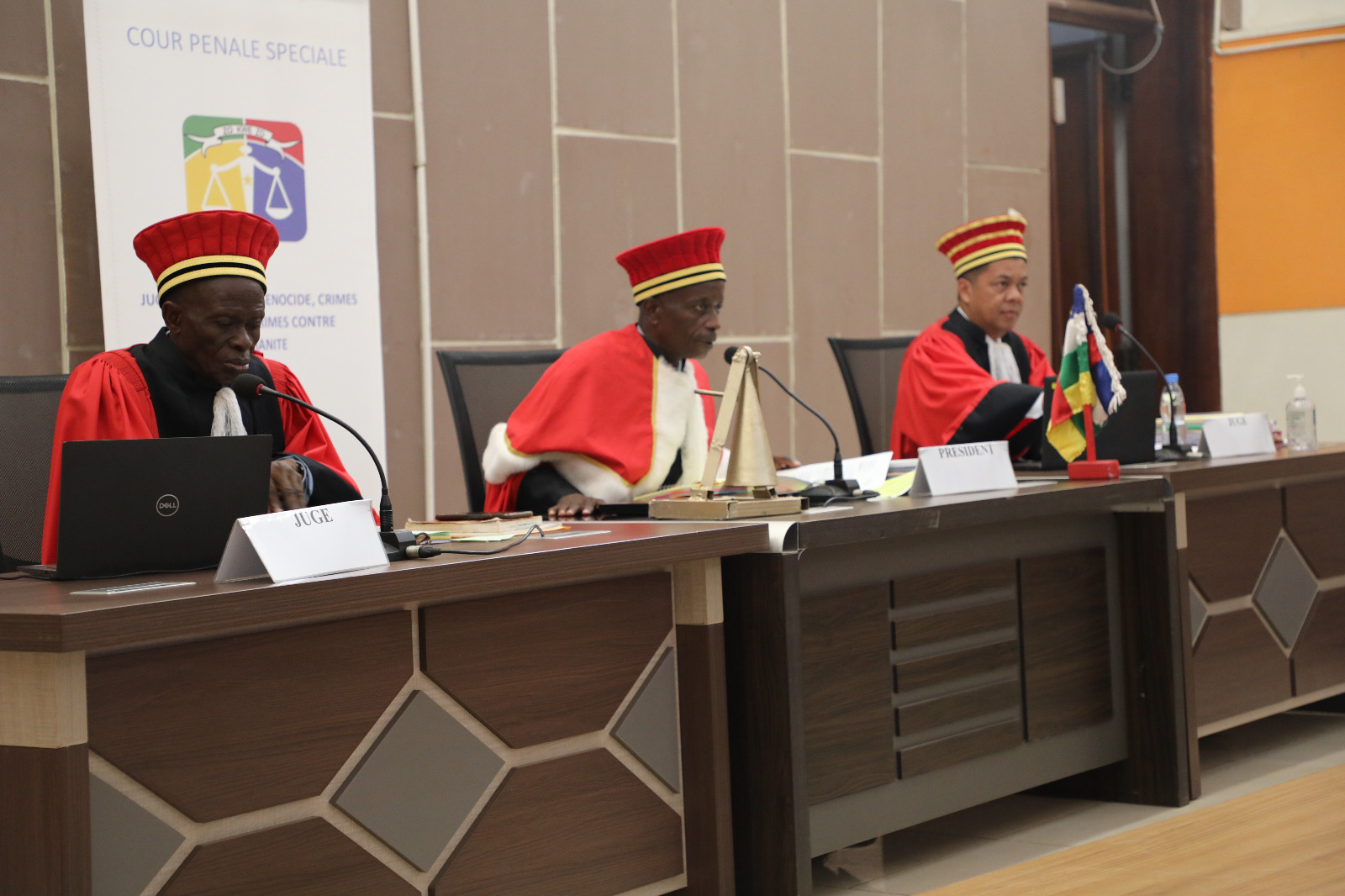
The first chamber of the Special Criminal Court (CPS) conducted its seventh pre-trial conference in Bangui on June 10. The session addressed procedural matters ahead of the upcoming trial of François Bozizé. This development signals the court's readiness to proceed with legal proceedings in the Central African Republic. The conference, a key step in the judicial process, focused on finalizing the administrative and logistical arrangements necessary for the commencement of the trial. The court’s consistent progression through these pre-trial stages shows its determination to bring the case to fruition.
Trial Date Set
The Cour pénale spéciale (CPS) reaffirmed its intention to open the trial in the "Bossembélé" case on June 16. This decision was made during the seventh pre-trial conference held in Bangui. The court has been preparing for the proceedings against François Bozizé, who is accused of criminal responsibility relating to events in the Centrafrique. The confirmation of the trial date indicates that the CPS is moving forward with the case, despite Bozizé's absence. His trial will proceed in absentia, a mechanism provided for by the court's statutes, specifically designed for situations where the accused cannot be physically present. This mechanism ensures that justice can still be pursued for grave offenses. The "Bossembélé" case concerns serious violations of human rights, and the decision to proceed notes the court's commitment to addressing these allegations promptly. The reaffirmation of the trial date during the June 10 conference sends a clear message about the court's unwavering resolve.
Charges Against Bozizé
François Bozizé, the former Central African president, is being prosecuted by the Special Criminal Court (CPS) for crimes against humanity. He stands accused alongside several of his associates in connection with these alleged offenses. The CPS has been preparing for these proceedings, which mark a significant step in addressing serious human rights violations in the Centrafrique. The court's decision to proceed shows its commitment to accountability, even under complex circumstances. The charges against Mr. Bozizé relate to a period of significant unrest and violence in the country, and the court's mandate is to investigate and prosecute such serious international crimes. The careful preparation by the CPS prior to this trial reflects the gravity of the accusations and the court's dedication to a thorough judicial process.
CPS Communication
The Special Criminal Court (CPS) has affirmed that the trial will proceed regardless of whether François Bozizé is present. Gervais Bodagay, head of the CPS communication unit, clarified the court's stance on this matter. Bodagay indicated that the legal proceedings are designed to move forward even in the absence of the accused, reflecting the court's commitment to judicial process and the pursuit of justice for victims. This approach allows the trial to commence as scheduled, ensuring that allegations of crimes against humanity are addressed without indefinite delays caused by the absence of the accused. Mr. Bodagay emphasized that the court's statutes specifically allow for trials in absentia, a provision that enables the judicial system to function effectively when individuals evade justice. This ensures that the quest for truth and accountability remains critical.
Extradition Status
The decision to proceed with the trial comes despite the fact that the former head of state, François Bozizé, has not yet been extradited. The Special Criminal Court (CPS) had previously issued a request for his extradition, seeking his physical presence for the proceedings. His continued absence means the court is moving forward with proceedings without his physical presence, leveraging the provisions for trials in absentia. The CPS has maintained its stance that the trial will commence as scheduled, irrespective of whether Bozizé is brought before the court. This approach allows the judicial process to continue, addressing the charges of crimes against humanity against him and his alleged associates. The court's determination to proceed, despite the lack of extradition, notes its independence and its dedication to its mandate to combat impunity for serious crimes in the Central African Republic.