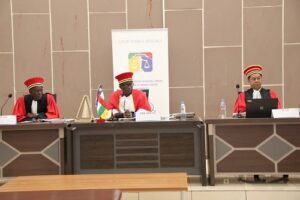
The Special Criminal Court (CPS) concluded debates in the "Guen" case on Friday, September 11, 2026, with judgment scheduled for December 15, 2026. The conclusion of these extensive proceedings marks a significant step in the judicial process for this high-profile case. The first section of the Chamber of Assizes concluded hearings for the case, which involves alleged crimes against humanity and war crimes. Debates during the proceedings opposed the Special Public Prosecutor and civil parties to the accused: François Boybanda alias Balere, Philémon Kahena alias CB, Dieudonné Gomitoua, Edmond Beina, and Jean Bahara. The court will render its judgment on Tuesday, December 15, 2026, at 10 AM, bringing this phase of the legal process to a formal close. The conclusion of the debates signifies the transition of the case into its deliberation phase, where judges will weigh the evidence presented.
Details of the Guen Case
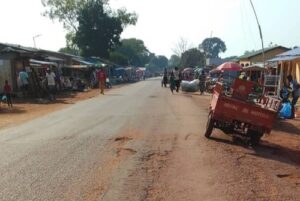
The allegations central to the Guen case describe events that occurred between February and March 2014. These alleged crimes are said to have taken place within the sub-prefecture of Gadzi, a region that has experienced periods of significant instability. The specific localities of Guen, Djomo, and Gadzi are cited in the case file as locations pertinent to the alleged incidents, indicating the geographical scope of the alleged offenses. The proceedings concern serious charges, specifically alleged crimes against humanity and war crimes, which fall under the mandate of the Special Criminal Court. The five individuals accused in the case, François Boybanda alias Balere, Philémon Kahena alias CB, Dieudonné Gomitoua, Edmond Beina, and Jean Bahara, benefit from the presumption of innocence throughout these proceedings until a judgment is rendered. This fundamental principle of justice shows the legal framework governing the trial. The thorough examination of evidence and testimonies during the hearings aimed to establish the facts surrounding these alleged events.
Context of the Special Criminal Court
The Special Criminal Court (CPS) was established through organic law n°15.003, enacted on June 3, 2015. This judicial body holds a specific mandate to investigate and prosecute international crimes. Its jurisdiction covers offenses committed within the Central African Republic, ensuring that grave violations do not go unaddressed within the nation's borders. The court's authority extends to all such crimes that have occurred since 2003, providing a legal framework for accountability for serious violations over a significant period. This broad temporal jurisdiction allows the CPS to address a wide range of past atrocities. The CPS operates as a hybrid court, integrating both national and international legal personnel and standards to address complex cases like the Guen proceedings. This unique structure is designed to leverage both local expertise and international best practices in adjudicating serious crimes. Its creation aimed to bolster the national justice system's capacity to handle grave crimes, contributing to efforts for justice and reconciliation in the country. The court's ongoing work, including cases like Guen, reflects its continued operation under this established mandate, striving to uphold the rule of law and provide redress for victims.
Next Steps and Deliberation
The Special Criminal Court has initiated its deliberation phase following the conclusion of arguments in the "Guen" case. This period of deliberation will allow the judges to thoroughly review all evidence presented and legal arguments made by both the Special Public Prosecutor and the civil parties, as well as the defense teams for the accused. The careful review is key for a fair and just outcome. The court's decision will determine the guilt or innocence of François Boybanda alias Balere, Philémon Kahena alias CB, Dieudonné Gomitoua, Edmond Beina, and Jean Bahara, who face charges of alleged crimes against humanity and war crimes. The case is now under deliberation by the first section of the Chamber of Assizes, which has been responsible for overseeing the hearings. The judgment will be rendered publicly, ensuring transparency in the judicial process. The court is scheduled to deliver its judgment on December 15, 2026, marking the formal conclusion of this stage of the proceedings and providing a definitive legal outcome to the allegations.