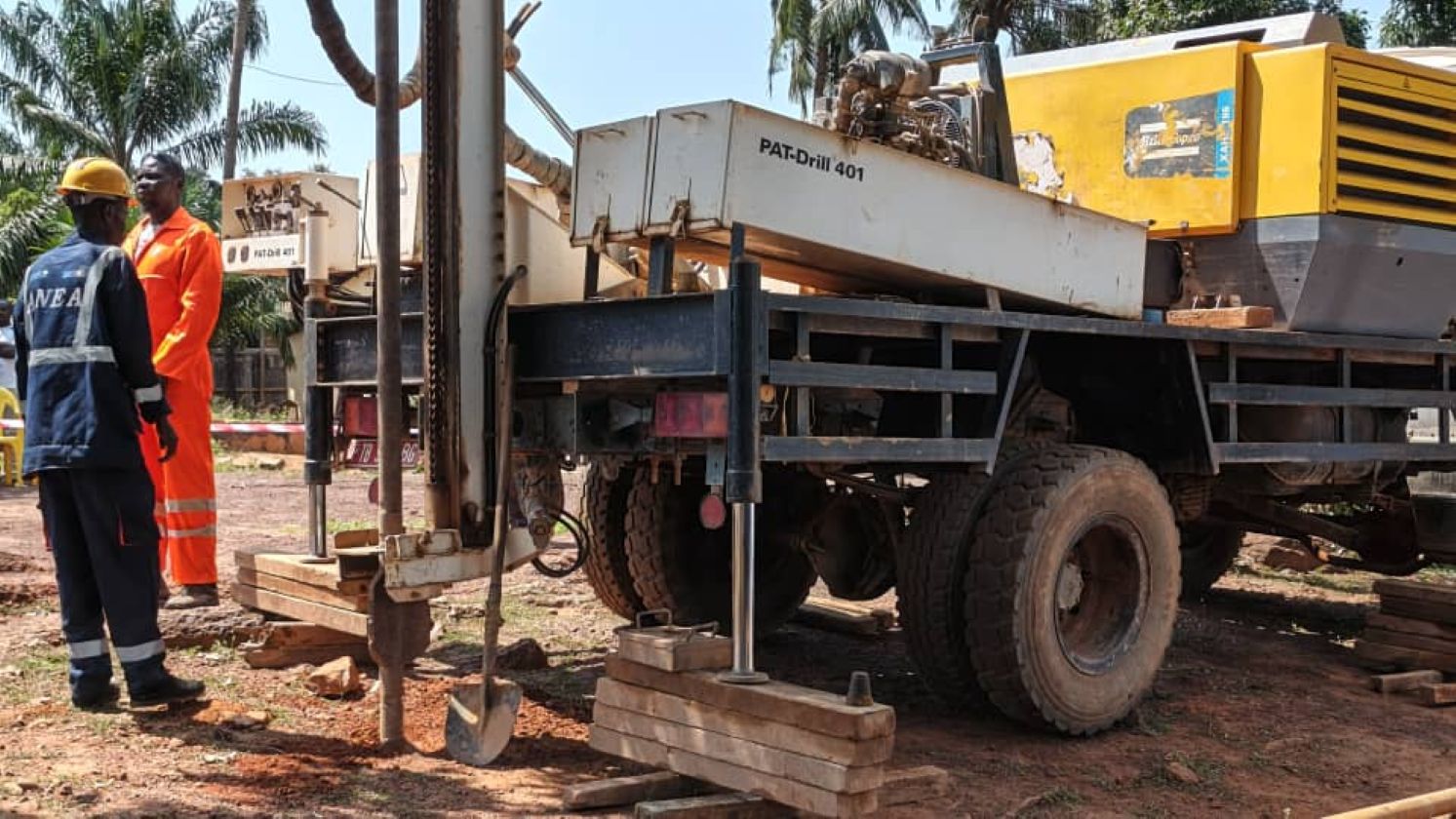
New solar-powered boreholes have been installed in Ouandja-Kotto, a community situated 330 kilometers north of Bria in the Haute-Kotto region, to improve local water access. The United Nations Development Programme constructed the boreholes, which are expected to significantly enhance the availability of clean water for residents in the remote area. This initiative represents a key step towards addressing the long-standing challenges of water scarcity and accessibility faced by the community. The deployment of these modern water sources aims to provide a sustainable solution for the provision of potable water, directly impacting the daily lives and well-being of the inhabitants.
New Water Infrastructure
About ten boreholes equipped with solar pumps have been constructed in Ouandja-Kotto. These installations mark a significant upgrade to the region's water supply system. The solar-powered boreholes now enable residents to obtain drinking water with greater ease, addressing a long-standing challenge for the community. The new infrastructure utilizes renewable energy, contributing to sustainable water access in the remote area. Each borehole is designed to harness solar power, ensuring a consistent and environmentally friendly method for pumping water from underground sources. This reliance on solar energy also reduces operational costs and the need for external fuel sources, making the system more resilient and self-sufficient in a remote setting. The construction of these facilities by the United Nations Development Programme shows a commitment to improving essential services in underserved regions. The strategic placement of these boreholes within Ouandja-Kotto aims to maximize convenience and accessibility for the entire population, minimizing the distances residents previously had to travel to secure water.
Community Impact
Access to drinking water has significantly improved in Ouandja-Kotto following the installation of new solar-powered boreholes. The enhanced infrastructure addresses a critical need for residents, who previously faced challenges in obtaining clean water. The readily available water supply is expected to reduce the time and effort traditionally spent on water collection, particularly for women and children. This development contributes to better public health outcomes by providing a reliable source of potable water, potentially mitigating waterborne diseases. The improved access also supports daily household activities and could foster local economic stability by freeing up time for other pursuits. The consistent availability of water is a fundamental change for the community. The availability of clean water close to homes and community centers means that individuals, especially women and girls, can dedicate more time to education, income-generating activities, or other domestic responsibilities, rather than spending hours on arduous water collection journeys. This shift can lead to increased school attendance and improved literacy rates, particularly among young girls whose education is often interrupted by water-fetching duties. The provision of safe drinking water is a direct intervention against the prevalence of waterborne illnesses, which are a common health concern in areas with inadequate water infrastructure. By reducing the incidence of such diseases, the community can experience improved overall health, lower healthcare burdens, and enhanced productivity. The stability offered by this new water system also creates a more predictable environment for agricultural activities and small-scale businesses, further contributing to the economic resilience of Ouandja-Kotto.
Geographical Context
Ouandja-Kotto, a community situated in the Haute-Kotto region, lies 330 kilometers north of Bria. This remote location in the Central African Republic has historically presented challenges for infrastructure development, including access to essential services like clean water. The nearest major urban center, Bria, serves as a key administrative hub within the region. The nation's capital, Bangui, is located significantly further south. The geographic isolation of Ouandja-Kotto shows the importance of localized infrastructure solutions for its residents. The considerable distance from Bria notes the logistical complexities involved in delivering and maintaining services in such a remote area. This isolation often means that communities like Ouandja-Kotto are among the last to receive modern amenities, making initiatives like the solar borehole project particularly impactful. The rugged terrain and limited transportation routes further amplify these challenges, emphasizing the necessity for self-sustaining solutions. The focus on localized infrastructure solutions, such as the solar-powered boreholes, is therefore vital for ensuring that residents in geographically challenging areas are not left behind in development efforts. This approach provides a practical and effective way to overcome the barriers posed by distance and lack of connectivity, bringing fundamental resources directly to the people who need them most.