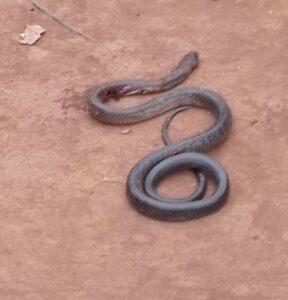
A woman approximately forty years old died on August 18, 2026, in Ouanda-Djallé after sustaining a snake bite. This tragic incident, involving a woman around forty years old, has significantly intensified concerns among residents, who report a significant and alarming presence of snakes in the area. The population of Ouanda-Djallé regularly encounters numerous snakes, contributing to widespread fear and apprehension following the recent fatality. The community is grappling with the immediate aftermath of this death, which has showed the persistent danger posed by these reptiles in their daily lives. The incident on August 18 has become a focal point for the community's anxieties regarding public safety and access to necessary medical resources.
Recent Incidents and Outcomes
The community of Ouanda-Djallé has experienced a series of unsettling encounters with snakes in recent months, culminating in a recent near-fatal incident and a confirmed fatality. On August 31, 2026, a 14-year-old adolescent in Ouanda-Djallé was bitten by a snake, but fortunately survived after receiving rapid medical attention. This incident, which could have had a far more tragic outcome, notes the critical difference that swift medical intervention can make. This recent event follows an earlier and more devastating fatality on January 27, 2026, when a 13-year-old boy died after falling into a septic tank and subsequently being bitten by a snake. The series of events shows the persistent threat posed by snakes in the community, demonstrating a clear pattern of dangerous encounters. Residents have expressed growing concern over these recurring incidents, particularly following the recent death of a woman in August, which has heightened the community's sense of vulnerability. The cumulative impact of these events, from the fatal bite of the woman around forty years old to the survival of the adolescent, coupled with the earlier tragic death of the 13-year-old boy, notes the urgent need for enhanced awareness and improved access to timely medical intervention in the area. These incidents serve as stark reminders of the ever-present danger that snakes pose to the residents of Ouanda-Djallé.
Local Concerns Over Snake Presence
Ouanda-Djallé is situated in the Vakaga prefecture, a region located in the northeast of the Central African Republic. This geographical context, combined with local observations, contributes to the heightened concern among residents. Residents of the area have expressed increasing apprehension regarding the frequent presence of snakes, particularly after the recent incidents that have resulted in both fatalities and serious injuries. The population of Ouanda-Djallé consistently reports that snakes are numerous in the area, a claim supported by the regular encounters experienced by community members. This ongoing situation, marked by the frequent presence of these reptiles, has prompted urgent calls for greater awareness campaigns and significantly improved access to immediate medical care to effectively address the critical threat posed by snake bites in the area. The community's fear is palpable, driven by the direct experiences of its members and the tragic outcomes of recent bites. The widespread belief that snakes are numerous further exacerbates the sense of insecurity among the population, making the demand for preventative measures and rapid response systems all the more pressing.
Importance of Swift Medical Aid
The adolescent victim of a recent snake bite in Ouanda-Djallé received prompt medical care and is now considered out of danger, a testament to the effectiveness of timely intervention. The adolescent victim, who was bitten on August 31, 2026, received prompt care and is now out of danger, having recovered from the potentially life-threatening encounter. This positive outcome shows the critical role of timely intervention in managing snake bite incidents and preventing severe complications. Rapid medical attention can prevent severe health complications and fatalities often associated with snake venom, as demonstrated by the adolescent's recovery. The article states that rapid intervention can prevent severe outcomes from snake bites, a fact powerfully illustrated by this recent case. Without quick access to medical facilities and antivenom, the consequences of a snake bite can be devastating, ranging from permanent disability to death. The survival of the 14-year-old adolescent serves as a key example for the community, noting that while the threat is real, effective and immediate medical response can mitigate the most severe risks. This reinforces the community's demand for better access to healthcare resources to ensure similar positive outcomes for future incidents.