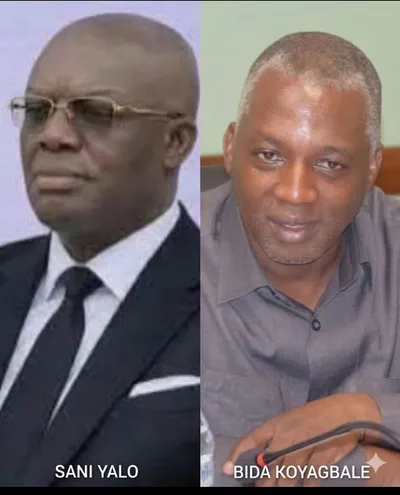
Sani Yalo underwent a tense hearing at the prosecutor's office in Bangui, Central African Republic, after being summoned under alleged presidential pressure. The summons by the prosecutor, reportedly influenced by presidential pressure, set the stage for a significant political confrontation within the nation's capital. This tense hearing at the prosecutor's office marked a critical juncture in the escalating political tensions. Following the proceeding, Yalo issued a direct and pointed warning to the Ngbakamandja clan, reportedly the maternal family of the 'dictator.' He claimed that any action taken against him would inevitably destabilize the nation, a statement that has sent ripples through the country's political landscape.
Yalo's statement, made after his appearance before the prosecutor, specifically addressed the Ngbaka-mandja bloc. His warning directly targeted this influential group, identified as the maternal family of the 'dictator,' noting the deeply personal and familial dimensions of the ongoing power struggle. He asserted that "touching me would break peace in the country," according to reports. This declaration shows his belief in his key role in maintaining national stability. The summons by the prosecutor, widely understood to be under presidential pressure, and Yalo's subsequent warning, directly targeting the Ngbaka-mandja bloc as the maternal family of the 'dictator,' mark a significant and escalating development in the Central African Republic. The implications of such a public challenge to a powerful family bloc are considerable, suggesting a deepening rift within the ruling circles and raising concerns about the potential for wider unrest.
Confrontation at Prosecutor's Office
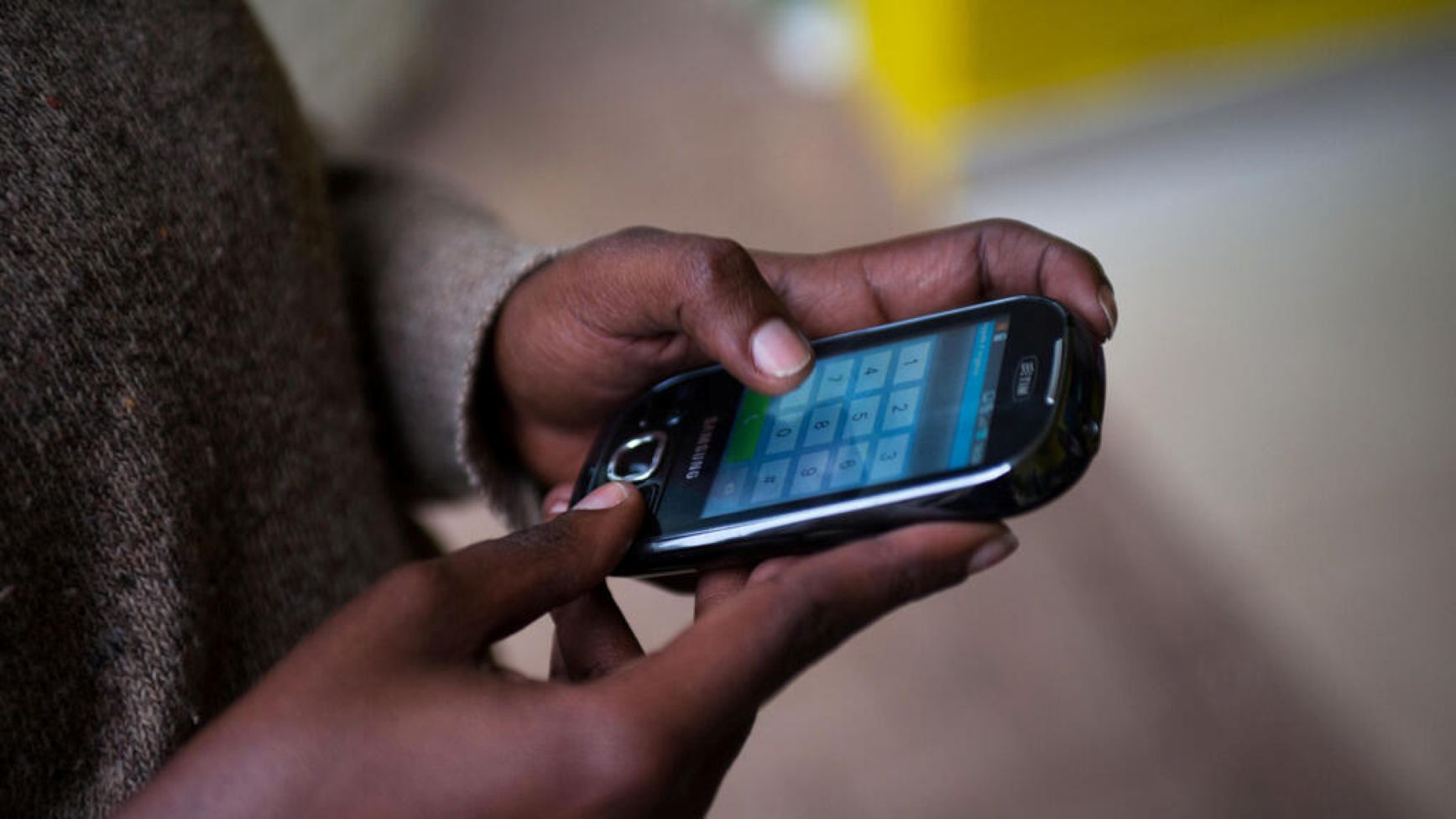
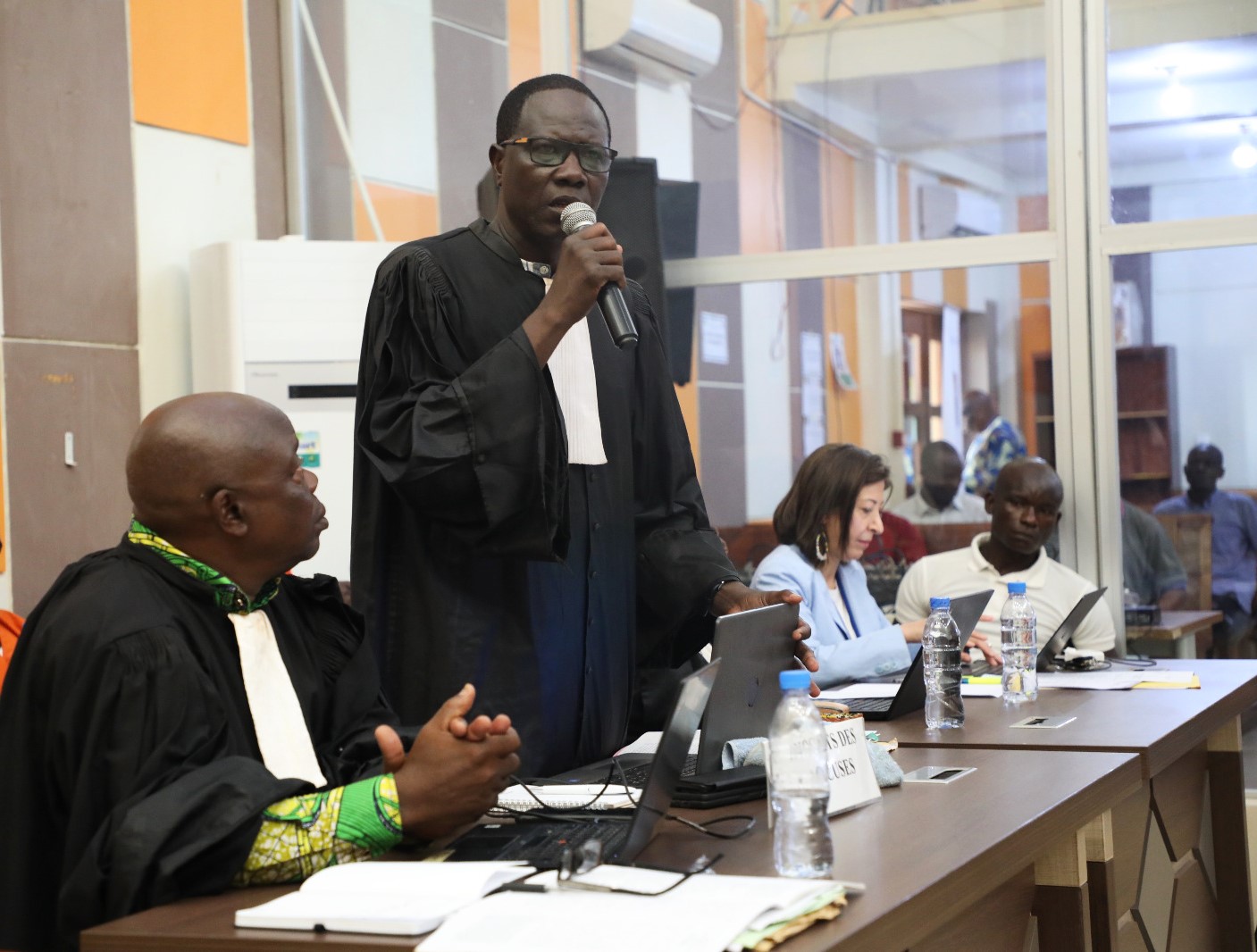
During the interrogation, Sani Yalo reportedly became extremely exasperated, displaying a high degree of agitation. The questioning centered on a supposed plot originating from a Facebook audio recording, which authorities were investigating. This Facebook audio recording was the alleged source of a plot, which became the central focus of the prosecutor's inquiry, adding a layer of digital intrigue to the political drama. Sani Yalo reportedly yelled at the magistrate, vociferously contested the authority of the summons itself, and went as far as to threaten the prosecutor physically. The situation quickly escalated, necessitating immediate intervention. Security personnel were compelled to intervene to prevent Sani Yalo from physically assaulting the prosecutor, specifically from slapping him, noting the intense and volatile nature of the encounter.
Sani Yalo, however, denies that a tumultuous hearing occurred in the manner described, describing the entire affair as "a pure lie." He maintains that the accounts of his behavior and the alleged threats are fabrications, steadfastly asserting his innocence regarding the reported outburst. These events unfolded amid widespread panic in high circles, triggered by a rumor concerning a virtual destabilization project attributed to an internet user. This rumor, circulating widely, had already created an atmosphere of suspicion and apprehension among the political elite, further complicating the context of Yalo's summons and subsequent actions. The fear of external or internal plots has evidently gripped key figures within the government, contributing to the heightened sensitivity surrounding any perceived threats to stability. The alleged virtual destabilization project, spread by an internet user, fueled anxieties among high-ranking officials even before Yalo's summons.
Yalo's Claims and Accusations
Sani Yalo asserts he was instrumental in establishing the financial networks key for solidifying the current administration's power. He claims to have structured these essential financial networks, thereby playing a key role in the consolidation of the current power structure. He views the Ngbaka-mandja faction's alleged attempts to remove him as a profound betrayal of his significant contributions and loyalty. Yalo has repeatedly showed the absolute necessity of peace and national reconciliation, framing these as indispensable for the nation's stability and continued governance. His insistence on these principles is a recurring theme in his public statements.
His persistent emphasis on peace has been characterized by some observers as a direct form of security blackmail. This interpretation suggests that Yalo is leveraging the threat of instability to protect his own position, implying that his calls for peace are strategically deployed to safeguard his interests. According to sources familiar with the situation, Yalo is adopting what is termed a "scorched earth" policy in response to the perceived threats against him. This strategy implies a willingness to create widespread disruption if he is targeted, indicating a calculated approach to deter his adversaries. He is reportedly using his "nuisance capacities" as a protective shield against any efforts to sideline him, indicating that he possesses means to cause significant trouble if pushed. These claims and strategies have emerged as central to the ongoing political tensions in Bangui, creating an environment of uncertainty and apprehension among key political actors. The Ngbaka-mandja faction's move to oust him is seen by Yalo as a direct betrayal of the foundational work he claims to have performed for the current power, intensifying the personal stakes in this political struggle.
Legal Peril and Political Fallout
Sani Yalo faces an international arrest warrant from Equatorial Guinea on charges related to a coup d'état. This warrant represents a significant legal peril, limiting his freedom of movement and access to international spaces. An Equatorial Guinean court sentenced Yalo in absentia to 59 years in prison in connection with the alleged coup attempt, a severe penalty that shows the seriousness of the charges against him. Consequently, Yalo is unable to leave the Central African Republic without risking immediate incarceration, according to reports. Any attempt to travel abroad would put him at direct risk of arrest and extradition, effectively confining him within the nation's borders. Sources indicate Yalo fears arrest and extradition to Equatorial Guinean President Obiang, a concern that deeply impacts his personal security and political maneuvering, adding another layer of vulnerability to his already precarious situation.
Yalo has reportedly been abandoned by his usual associates, who are said to fear repercussions from the influential Ngbaka-Mandja family bloc. This isolation further weakens his position and notes the power wielded by the family he has publicly challenged. The central power in the Central African Republic is reportedly concerned about the potential for hostilities to erupt as a result of the ongoing tensions. The fear of the opening of hostilities is a palpable concern, reflecting the fragile political equilibrium and the potential for Yalo's "scorched earth" policy to indeed destabilize the nation. The government's apprehension shows the gravity of Yalo's threats and the perceived risk of widespread conflict. The situation remains highly volatile, with both legal and political pressures mounting on Sani Yalo, while the government grapples with the potential for widespread unrest and the implications of such a high-stakes confrontation.