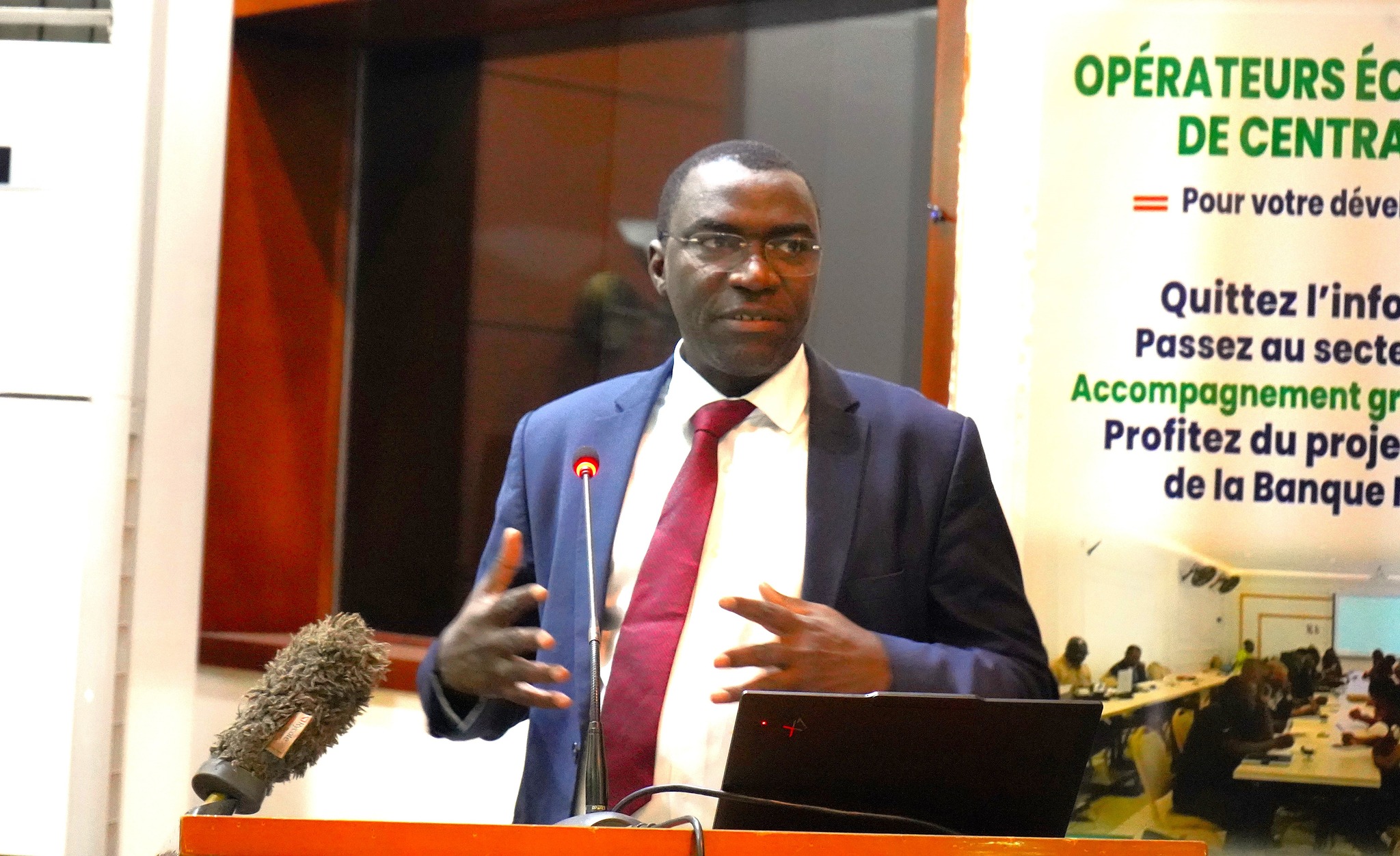
A roundtable discussion aimed at improving the business climate in the Central African Republic was held in Bangui on April 28th. This significant gathering brought together a diverse group of participants, including government officials, private sector representatives, and development partners, all committed to addressing the intricate challenges pertinent to economic development and investment within the country. The initiative reflects ongoing efforts to foster a more conducive and predictable environment for businesses operating across various sectors in the République centrafricaine, acknowledging the vital role a strong private sector plays in national growth. The discussions showed a collective commitment to identifying and implementing solutions that can unlock the country's economic potential.
Key Issues Raised
Key issues frequently discussed at the roundtable included the persistent difficulties businesses face in accessing bank loans. Participants noted how this challenge significantly impedes growth and investment opportunities for both established enterprises seeking to expand and nascent ventures striving to launch within the Central African Republic. The limited availability of affordable credit, coupled with stringent collateral requirements, often stifles innovation and job creation. Another prominent concern raised was the strong presence of the informal sector. This widespread informal economy was identified as a key factor impacting fair competition for formal businesses and hindering the formal sector's ability to operate efficiently and contribute meaningfully to the national tax base. The discussions aimed to pinpoint these systemic obstacles, which often deter foreign investment and complicate the operational landscape for local entrepreneurs, in order to foster a more transparent and supportive economic environment. Addressing these issues is considered key for encouraging formal business development, enhancing economic stability, and attracting further investment into the country.
I-Compete Project Goals
The roundtable discussion, held in Bangui on April 28th, was organized by the I-Compete project. The I-Compete project aims to support private sector development and enhance economic competitiveness in the Central African Republic. Its initiatives typically focus on fostering a more favorable business environment by addressing structural impediments and promoting sustainable growth across various industries. Through such engagements, I-Compete seeks to facilitate constructive dialogue between public and private sector stakeholders, identify key challenges that hinder economic progress, and propose actionable solutions to improve the ease of doing business. The project's involvement in convening the roundtable shows its commitment to strengthening the country's economic landscape, promoting inclusive growth, and attracting much-needed investment into the Central African Republic. This collaborative approach is vital for translating policy discussions into tangible improvements for businesses on the ground.
Call for Legal Application
Stakeholders at the roundtable emphasized that the consistent application of existing laws remains essential for improving the business climate in the Central African Republic. Participants at the Bangui roundtable noted that while full legal frameworks may indeed be in place, their effective, transparent, and impartial implementation is key for building confidence among both local and international investors and businesses. This perspective suggests that addressing gaps in enforcement, combating corruption, and ensuring legal predictability are as vital as, if not more so than, creating new regulations. A predictable legal environment, where rules are clear and consistently applied, is seen as foundational for private sector development, enabling businesses to operate with greater certainty and reducing perceived risks associated with investment in the République centrafricaine. The call for strong legal application shows a collective belief that the current challenges stem partly from inconsistencies in how laws are upheld, creating an uneven playing field and discouraging long-term commitments. Ensuring that justice is accessible and fair for all economic actors is critical for fostering sustainable growth.