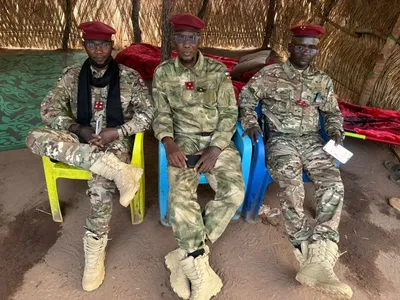
Badour Ali, the younger brother of warlord Didot Ali, was apprehended on Tuesday by Chadian intelligence service military personnel in Sido. His arrest followed an official complaint filed with the intelligence services by Alkhatim Abakar, a civilian who escaped from the MPC's private prisons. Abakar had fled the Central African Republic to Sido, Chad, before submitting the complaint against Badour Ali. The apprehension of Badour Ali on Tuesday by Chadian intelligence service military personnel in Sido marked a significant development in the ongoing efforts to address cross-border illicit activities.
Details of Abduction and Complaint
The arrest of Badour Ali followed a complaint filed by Alkhatim Abakar, a civilian who had escaped from the private prisons of the MPC (Mouvement Patriotique Centrafricain). Abakar, a young man incarcerated under these conditions, managed to escape his cell only a few days before filing his complaint. His escape from the clandestine detention centers, reportedly operated by the MPC, shows the severe conditions faced by individuals held within these facilities. Alkhatim Abakar stated his ordeal was directly linked to the theft of his iPhone 15 Pro Max. During his detention, Badour Ali visited Alkhatim Abakar in his cell and demanded the unlock code for the phone, according to Abakar's account. This demand for the phone's access code further notes the personal nature of the alleged crime and the direct involvement of Badour Ali in the victim's suffering.
Rebel Financial Operations
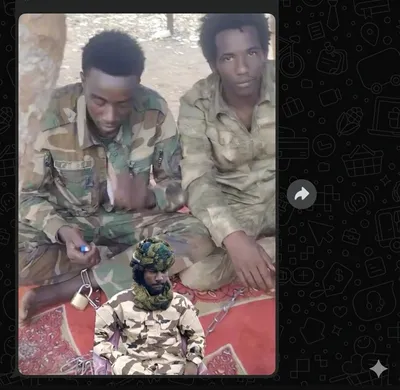
Badour Ali manages the financial and real estate affairs of rebel leader Didot Ali on the Chadian side of the border, according to claims. These operations reportedly include managing houses and overseeing the sale of the rebel leader's gold within Chad. The scope of these activities suggests a well-established network supporting the rebel leader's operations from across the border. Separately, reports indicate that prisoners held in Didot Ali's clandestine detention centers in the Ouham prefecture, specifically in Markounda, are subjected to severe mistreatment. These individuals are reportedly chained to the ground at their ankles within the facilities. The conditions described for these detention centers paint a grim picture of human rights abuses associated with the rebel faction's activities. The alleged mistreatment, including being chained to the ground at the ankles, points to a pattern of severe and inhumane practices within these unauthorized prisons.
Corrupt Release and Bribe
Badour Ali was intercepted by military intelligence agents on Tuesday upon entering Sido. After only two days in custody, corrupt agents clandestinely released Badour Ali on Thursday, May 28, following the payment of a bribe, according to reports. Didot Ali reportedly mobilized significant funds from his bases in the Central African Republic. These funds were then sent to the Chadian intelligence officers who were holding his brother. The rapid release of Badour Ali, merely two days after his apprehension, strongly suggests the effectiveness of these illicit payments in subverting the legal process. The swift release suggests the influence of these payments on the intelligence personnel involved in the arrest and detention, raising serious questions about corruption within the Chadian security apparatus. The transfer of substantial funds from Didot Ali's bases in the Central African Republic directly to the Chadian intelligence officers shows the financial resources at the rebel leader's disposal and his willingness to use them to protect his interests.
Broader Context and Implications
The MPC's dissident faction has reportedly been committing criminal acts and abuses that extend across the border between the Central African Republic and Chad. These alleged activities show a broader pattern of cross-border illicit operations, impacting regional stability and security. The criminal acts and abuses attributed to the MPC's dissident faction highlight a persistent challenge for law enforcement and humanitarian organizations in the border region. Meanwhile, Alkhatim Abakar, whose complaint led to Badour Ali's initial arrest, has not yet recovered his stolen iPhone 15 Pro Max. The device remains unreturned despite the brief detention and subsequent release of Badour Ali. The incident notes the persistent nature of the criminal enterprise linked to the rebel leader's brother and the challenges faced by victims seeking justice. The failure to return Alkhatim Abakar's stolen iPhone, even after the apprehension of the alleged perpetrator, further illustrates the impunity often enjoyed by individuals connected to powerful figures in such cross-border criminal networks.