Radio emission has noted the extensive forest exploitation occurring in the Central African Republic (CAR) and its significant consequences for both the environment and the global climate. The broadcast focused on the severe impact of logging activities within the nation, particularly in its southwestern regions. Environmental degradation and climate change implications stemming from these operations were central to the discussion. The emission specifically discusses forest exploitation in the Central African Republic and its consequences on the environment and climate, providing a full overview of the situation. The report shows the ongoing challenges faced by the CAR in managing its natural resources sustainably. This article delves into the specifics of these issues, with a particular focus on the Central African Forest Code.
Forest Code Under Scrutiny
The Central African Forest Code is currently under scrutiny, forming a central theme of the ongoing discussion. The legal framework governing forest management and exploitation in the République centrafricaine (RCA) is being examined for its effectiveness in regulating logging activities and ensuring sustainable practices. Its provisions are critical in determining how forest resources are utilized and protected across the nation, particularly in the Sud-ouest de la RCA where exploitation is prevalent. The code's implementation directly impacts both the environmental health of the region and the broader climate implications linked to deforestation. Discussions surrounding the code often involve stakeholders such as logging companies like Centrabois and environmental advocates. A thorough review of the Central African Forest Code is essential to address concerns about exploitation and to strengthen measures aimed at preserving the country's vital forest ecosystems. The efficacy of the current code in preventing illicit logging and promoting responsible resource extraction is a key area of concern for environmental groups and government officials alike. Revisions or stricter enforcement mechanisms for the Central African Forest Code could significantly alter the trajectory of forest health in the region.
Environmental and Climate Consequences
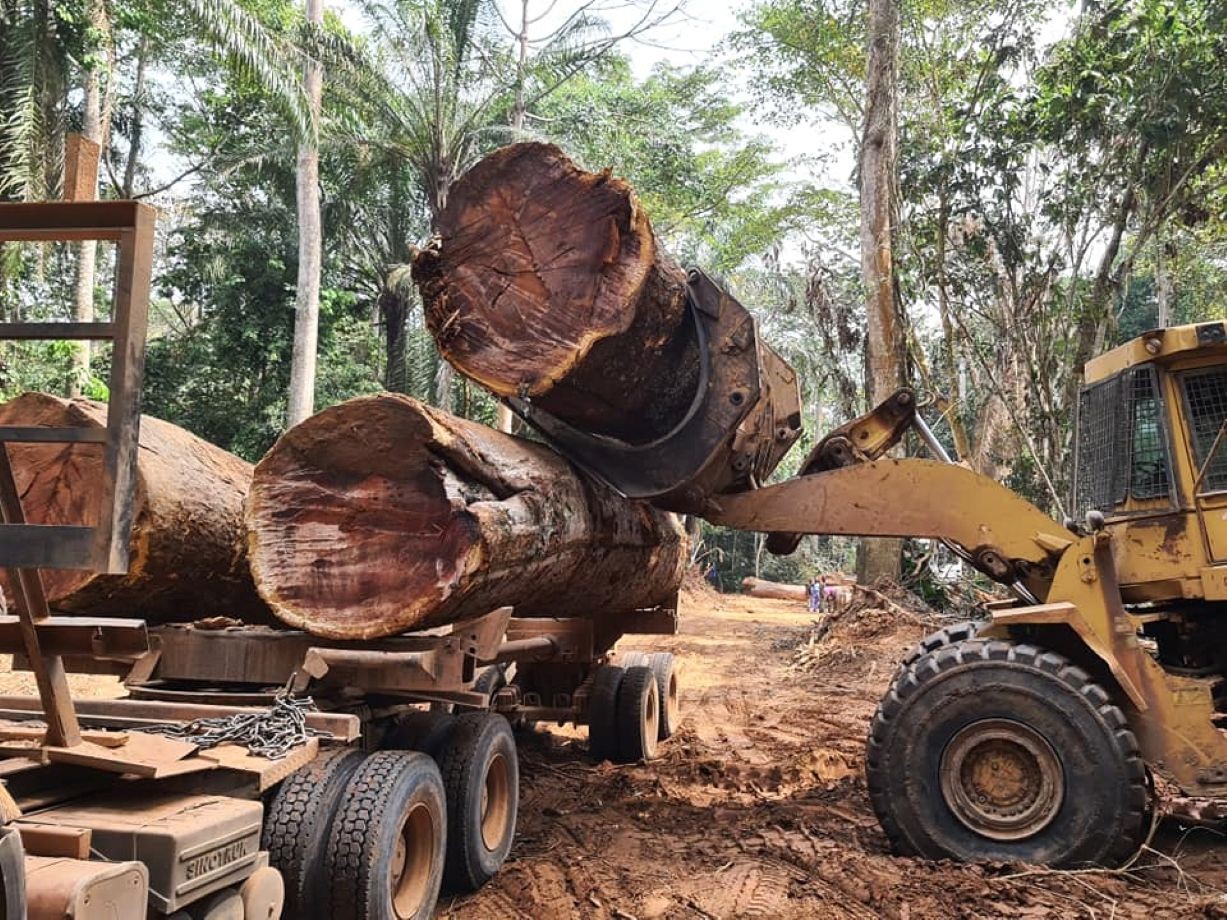
The extensive logging operations in the Central African Republic's southwestern regions are depicted by an illustration showing logs being loaded onto a truck. This illustration offers a stark visual representation of the scale of timber extraction. These activities contribute significantly to environmental degradation and have broader climate implications. The scale of timber extraction, particularly in the Sud-ouest de la RCA, shows the pressure on the nation's forest ecosystems. This exploitation is a critical factor in deforestation, which in turn impacts biodiversity, soil stability, and local climate patterns. The removal of large tracts of forest reduces the capacity for carbon sequestration, contributing to greenhouse gas emissions and exacerbating global climate change. The visual representation of logs being transported notes the physical impact of these industrial-scale operations on the landscape and its natural resources. The illustration specifically shows logs being loaded onto a truck in the Southwest of the RCA, emphasizing the localized yet widespread nature of these activities. The loss of forest cover also leads to habitat destruction for numerous species, further diminishing the region's rich biodiversity. The long-term environmental consequences extend beyond immediate deforestation, affecting water cycles and increasing vulnerability to extreme weather events.
Expert Insights on Exploitation
Alfred Sepamio, director of waters and forests, hunting and fishing at the ministry in charge of the Forest Economy, Wildlife and Aquatic Resources, has been featured in discussions regarding the extensive forest exploitation within the Central African Republic. His participation aims to provide expert insights into the current state of the nation's forest resources and the challenges associated with their management. As a key figure within the ministry, Mr. Sepamio's perspective is critical for understanding the official stance and ongoing efforts related to sustainable forestry and the regulation of logging activities in the République centrafricaine. His role encompasses oversight of policies and practices concerning forest economy, wildlife, and aquatic resources, areas directly impacted by the scale of timber extraction, particularly in the Sud-ouest de la RCA. Mr. Sepamio's insights are key for bridging the gap between policy formulation and on-the-ground implementation of forest management strategies. His expertise helps to illuminate the complexities of balancing economic development with environmental preservation in a region heavily reliant on its natural resources. The challenges he outlines include not only regulatory enforcement but also the broader socio-economic factors that drive logging activities.