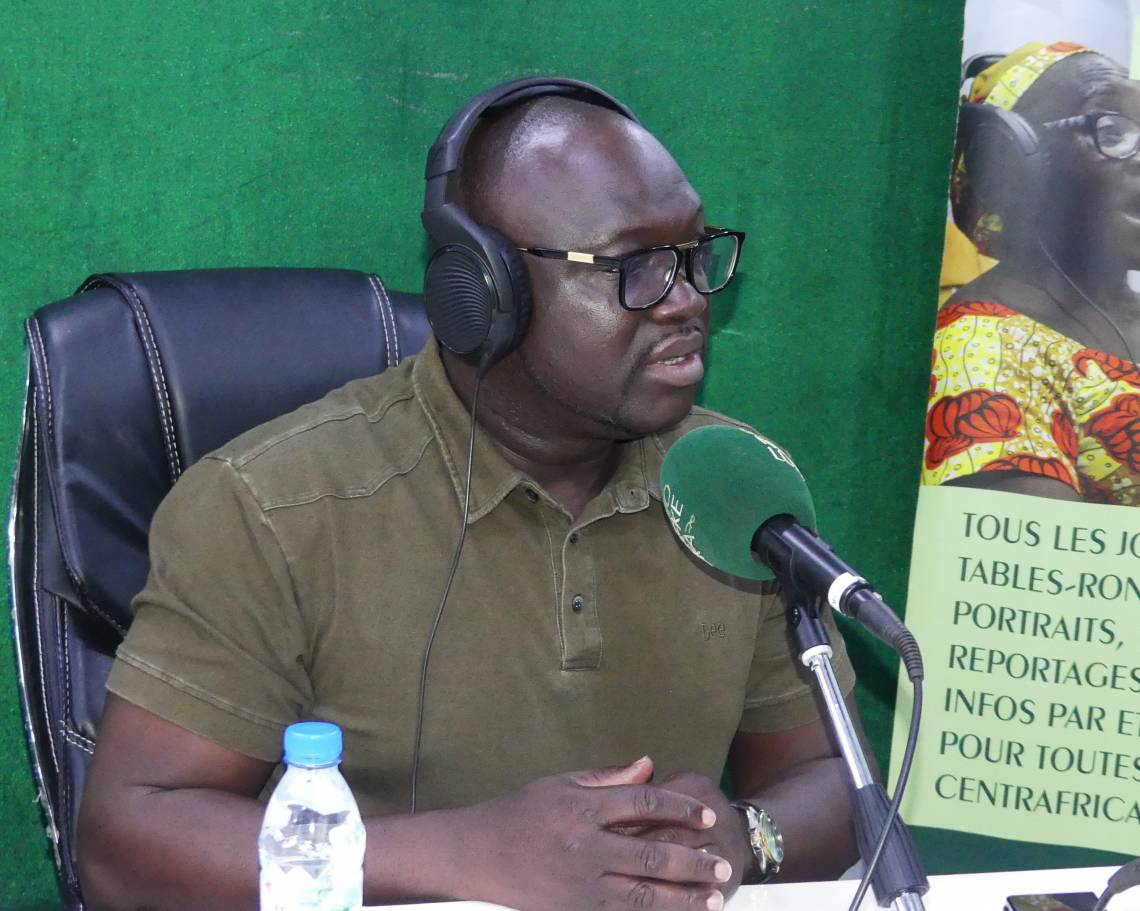
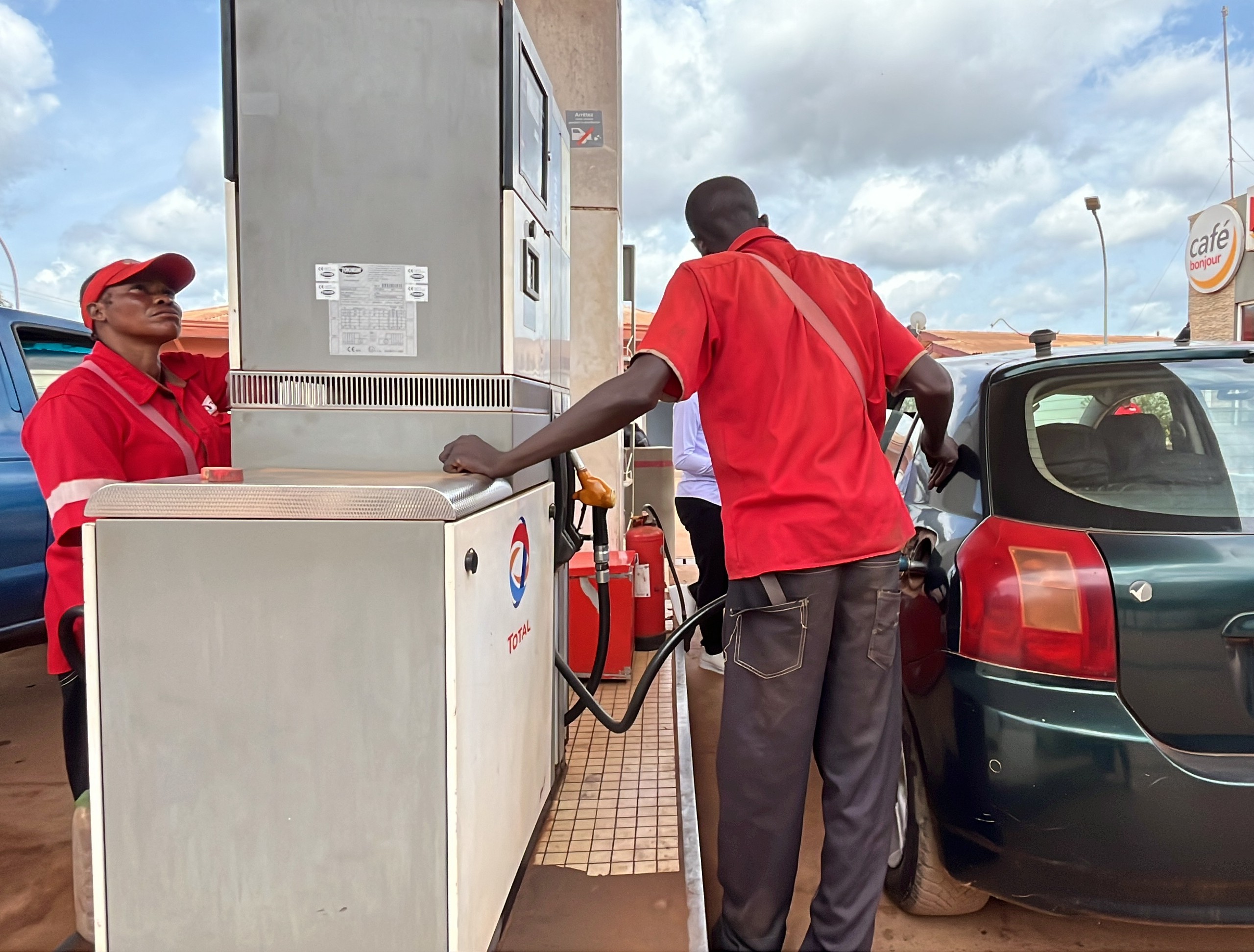
Presidential advisor Fidel Gouandjika appeared as a guest on Radio Ndékè-Luka's program 'Débat Patara' on June 27, 2026. During his appearance, Gouandjika made claims regarding the ongoing unrest. The article mentions Russian paramilitary forces, identifying them as 'Africa Corps'. The advisor's participation in 'Débat Patara', a well-known program on Radio Ndékè-Luka, provided a platform for his views on the nation's turbulent situation. His statements were delivered amidst a backdrop of increasing public concern over security and political stability.
Gouandjika's Accusations
Presidential advisor Fidel Gouandjika alleged that the opposition was instrumentalizing the internet to create panic, during his appearance on Radio Ndékè-Luka's program 'Débat Patara'. Gouandjika's remarks on June 27, 2026, focused on the unrest and the spread of information online. He did not specify which opposition groups he was referring to in his accusation. His claim suggested a deliberate effort by opposition elements to sow discord and fear through digital channels, impacting public perception and potentially exacerbating the current instability. The advisor's statements noted concerns within the government regarding the use of social media and online platforms during periods of heightened tension.
The article also identifies the president by the nickname 'Baba Kongoboro'. This designation for the head of state was used in the context of the advisor's statements regarding the country's political climate. Gouandjika's statements were made amidst ongoing discussions about the role of social media in public discourse, and the challenges governments face in controlling narratives online. He emphasized the government's perspective on the origins of the current disturbances, attributing a significant portion of the blame to the actions of political adversaries.
Article's Counter-Narrative
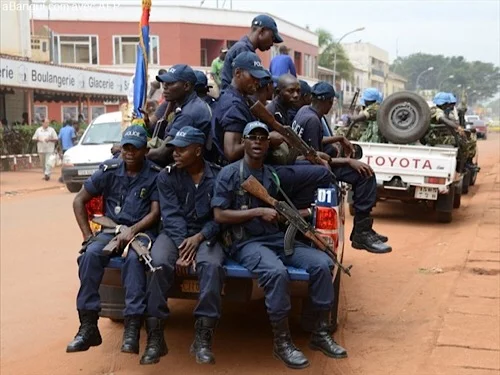
For Central Africans, the article states the real trouble stems from Russian paramilitary forces, which have been installed in the country since 2017. The presence of these forces is presented as a significant factor in the nation's instability. The article also mentions violence against civilians, indicating a broader context of insecurity affecting the population. These instances of violence are not attributed to any specific group within this section but are noted as occurring within the environment shaped by the paramilitary presence. The article explicitly refers to these Russian paramilitary forces as 'Africa Corps', detailing their involvement in the country's security landscape. This perspective contrasts sharply with the official narrative presented by presidential advisor Gouandjika, suggesting a divergence in understanding the root causes of the nation's challenges. The long-standing presence of these foreign forces, as noted by the article, implies a deeper and more entrenched source of conflict than mere online instrumentalization by opposition groups.
Context of Instability
The article details direct clashes against the national army, which occurred last month in Zemio. These confrontations show the volatile security situation in the area, involving state forces. The nature of the opposing parties in these specific clashes is not further elaborated in this context, but the report places the event within the broader discussion of instability. The violence against civilians, mentioned in the article, further illustrates the human cost of the ongoing instability and the challenges faced by the national army in maintaining order. These incidents contribute to an atmosphere of fear and uncertainty among the populace, exacerbating the already fragile security situation.
Broader Implications
Presidential advisor Fidel Gouandjika's remarks on Radio Ndékè-Luka's program 'Débat Patara' on June 27, 2026, also conveyed an attempt to redirect blame for the country's ongoing chaos. Gouandjika specifically sought to shift responsibility for the instability onto those he characterized as "regime detractors." This attribution of fault to opposition elements was a key component of his public statements regarding the nation's turbulent situation. His commentary aimed to frame the unrest as a consequence of actions taken by those opposing the current administration, rather than other potential factors. The advisor's statements were made during a period of reported violence and instability across the country, indicating a strategic effort to shape public opinion and divert attention from other potential causes of the unrest. This attempt to shift responsibility notes the political maneuvering occurring amidst the country's complex security and governance challenges.