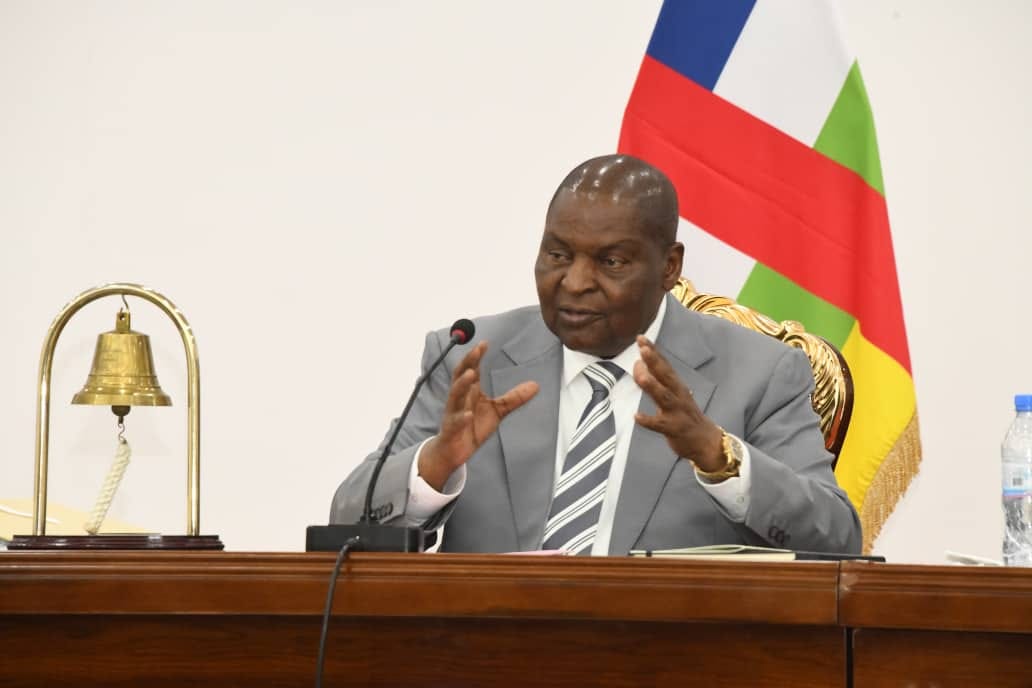
President Faustin-Archange Touadéra has instructed his government to establish an Observatory for Economic and Financial Justice, a new body aimed at significantly enhancing transparency and accountability within the nation's economic and financial sectors. The Central African President issued this key order during the judicial opening ceremony for the 2026-2027 season, held in the capital city of Bangui. This directive shows a concerted effort to address long-standing issues concerning financial oversight and governance in Centrafrique. The establishment of such an observatory is anticipated to introduce a new era of scrutiny over public and private financial dealings.
Rationale for New Observatory
President Faustin-Archange Touadéra firmly believes that the creation of the new Observatory for Economic and Financial Justice will play a key role in strengthening both transparency and efficiency within the country's economic and financial justice systems. This significant initiative comes at a time when considerable concerns about accountability in public finance have been consistently raised by various stakeholders. A particularly stark illustration of these challenges was provided by the Prosecutor General near the Court of Cassation, Christ-Roi Jordan Bandengbe. Mr. Bandengbe publicly stated that the Court of Accounts, despite its establishment in 1995 with a mandate for financial oversight, has not produced any investigation reports to date. This profound lack of oversight and actionable output from a key financial institution notes a critical gap that the new observatory aims to directly address, according to senior government officials. The President's order, therefore, seeks to introduce a strong and proactive mechanism for greater scrutiny over economic activities and financial management practices across Centrafrique, ensuring that public funds are managed with integrity and proper oversight.
Judicial Opening Context
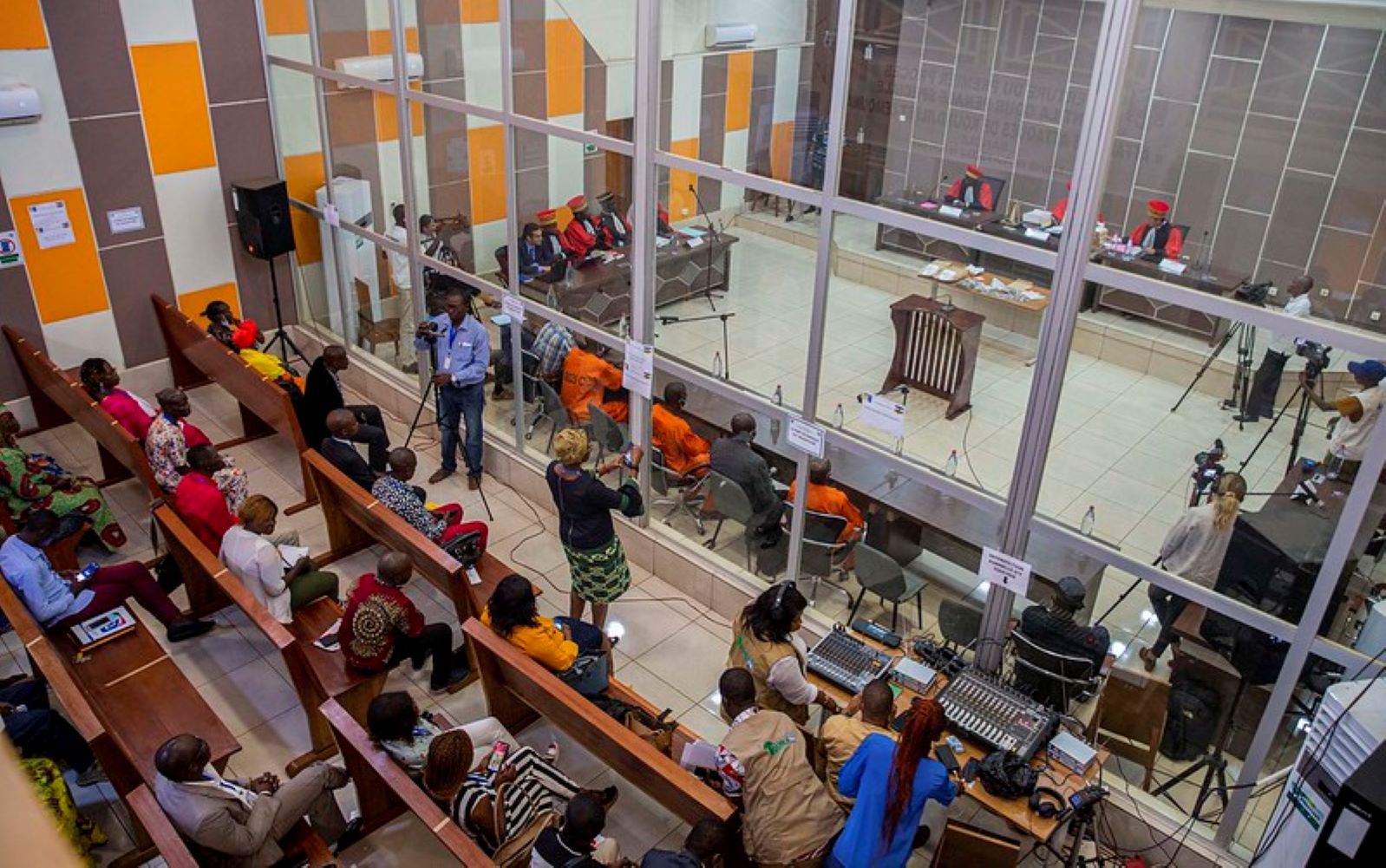
President Faustin-Archange Touadéra issued the instruction for the new Observatory for Economic and Financial Justice on June 19, 2026, a date now marked as significant for the country's economic reform efforts. The announcement was made during the solemn and official judicial opening ceremony in Bangui, an event that traditionally sets the tone for the legal year. During his address, the President's directive specifically emphasized the pressing need for enhanced oversight in the nation's economic and financial sectors. This strategic move is designed to address existing gaps in financial accountability and to vigorously promote greater transparency across all levels of economic activity. The initiative follows ongoing concerns about the effectiveness and reach of current mechanisms for ensuring economic justice in Centrafrique. The establishment of the observatory is intended to strengthen the legal framework surrounding economic activities and financial management, providing a clearer and more enforceable set of guidelines, according to presidential directives. The judicial opening ceremony thus provided the authoritative platform for this significant announcement, signaling a profound and unwavering commitment to full reform within the country's financial landscape and governance structures.
Goals and Expected Impact
The primary objective of the Observatory for Economic and Financial Justice is to reinforce the integrity and robustness of Centrafrique's financial systems. President Faustin-Archange Touadéra's directive seeks to establish a full framework that not only enhances transparency but also holds all economic actors fully accountable for their financial conduct. The new body is expected to be empowered to conduct thorough investigations and provide consistent oversight, directly addressing significant shortcomings in existing mechanisms. This includes key institutions such as the Court of Accounts which, as noted by Prosecutor General Christ-Roi Jordan Bandengbe, has failed to produce any investigation reports since its establishment in 1995. By actively engaging in these functions, the observatory intends to markedly improve public confidence in the management of national resources and foster a culture of accountability. Government officials anticipate that this critical initiative will lead to more efficient and equitable economic governance, while simultaneously reducing the prevalence of financial irregularities across Centrafrique. The measure is projected to significantly strengthen legal enforcement within the economic sector, ultimately contributing to a more stable, transparent, and equitable financial environment not only in Bangui but throughout the entire nation.