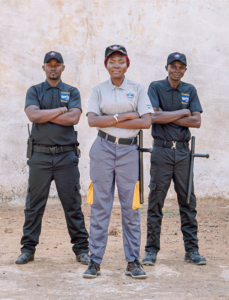
Power Sécurité, a French security company, has recently implemented a policy banning motorcycles for control patrols, mandating instead the exclusive use of bicycles for its agents. This significant operational change has sparked considerable debate and concern within the company and among its workforce. This decision follows the appointment of a new management team, which includes Directeur Gérant David Moisan, adjoint Pasteur Osé Balezou, Directrice Administrative et Financière Mme Abigael Wilibiro, and Directeur des Opérations Arnaud Aimontche. The company officially states that the shift to bicycles is intended to enable agents to surprise employees abandoning their posts and to ensure greater discretion during patrols. This official rationale suggests a strategic move to enhance the effectiveness of surveillance and ensure adherence to company protocols by its personnel. However, the move is also reportedly driven by an unofficial reason: cutting costs related to fuel and maintenance, a factor that has become a central point of contention in the ongoing controversy. The disparity between the stated objectives and the perceived underlying financial motivations has led to significant scrutiny of the company's new directives.
Employee Health and Safety Concerns
The new policy from Power Sécurité marks a significant shift from previous operational methods. Previously, under the leadership of ex-colonel Patrick Marconnet, security personnel were equipped with mopeds and motorcycles to conduct their patrols. This prior arrangement allowed for more efficient coverage of patrol areas and reduced the physical strain on agents. The current transition to bicycles has introduced new challenges, particularly concerning the well-being of the security agents. The sudden change from motorized transport to pedal power represents a drastic alteration in daily duties, impacting the physical demands placed on the workforce.
Concerns have been raised regarding the physical demands of bicycle patrols, especially for a workforce with diverse health profiles. The article notes that some employees are over 50 years old, while others suffer from chronic health conditions, which could be exacerbated by the strenuous nature of constant cycling. For these individuals, the mandated use of bicycles for extensive periods during their shifts poses a direct threat to their health and ability to perform their duties effectively. This demographic within the company's ranks faces increased risks of injury or deteriorating health due to the mandated use of bicycles for their duties, leading to potential long-term health issues and a decline in overall well-being. The lack of consideration for the physical capabilities and existing health conditions of the agents shows a critical oversight in the policy's implementation, raising questions about employee welfare standards at Power Sécurité.
The safety of the provided equipment has come under scrutiny. The bicycles issued to the agents reportedly lack basic lighting equipment, including both headlights and reflectors. This deficiency poses a significant safety hazard, particularly during night patrols or in low-light conditions, increasing the risk of accidents for the security personnel. Without adequate lighting, agents are not only at greater risk of collisions with vehicles or pedestrians but also struggle to navigate uneven terrain or identify potential hazards in their patrol areas. The absence of essential safety features on the patrol equipment adds another layer of concern for employee welfare under the new policy, noting a potential disregard for the agents' personal safety in the pursuit of operational changes. This situation has prompted calls for immediate rectification of these safety shortcomings to protect the lives and health of Power Sécurité's agents.
Management's Financial Incentives
A recent report characterized the new policy as "torture" and called for intervention from labor inspectors, reflecting the severe impact it has had on the agents. This assessment emerged amid questions regarding the financial incentives influencing the management's decision. Prior to the policy change, controllers within Power Sécurité typically received a weekly fuel allowance of approximately 20,000 francs. This allocation covered the costs associated with operating motorcycles for their patrols, ensuring that agents could perform their duties without incurring personal expenses for fuel. This allowance was a standard part of their compensation, designed to facilitate their mobility and operational effectiveness.
Contrastingly, company directors reportedly receive a significantly higher weekly fuel allowance of at least 50,000 francs. This substantial difference in fuel provisions notes a stark discrepancy in how resources are allocated within the company, favoring management over the operational staff. Additionally, directors benefit from "bons vendredis," described as opaque budgets, further noting a disparity in resource allocation within the company. These "bons vendredis" are financial mechanisms that lack transparency, allowing for discretionary spending by directors without clear accountability, which only exacerbates the perception of unequal treatment. The shift to bicycles for control patrols, while officially stated to improve discretion and surprise, also serves to eliminate the previous fuel expenditures for agents. This move has drawn attention to the differing financial provisions for management compared to the operational staff, particularly in the context of cost-cutting measures impacting the agents' daily duties and well-being. The elimination of fuel allowances for agents, juxtaposed with the generous allowances and opaque budgets for directors, paints a picture of a company prioritizing executive perks over the basic operational needs and welfare of its frontline employees. This financial imbalance has become a key element in the widespread criticism of the new policy, fueling accusations of unfair labor practices and a lack of empathy from the management team.
Calls for Investigation and Action
The controversy surrounding Power Sécurité's new policy has prompted various calls for official scrutiny and intervention. Alain Nzilo, a former agent with Power Sécurité, publicly urged labor inspectors to investigate the company's practices. Nzilo's appeal shows the growing concerns among current and former employees regarding the policy's impact on agent welfare and working conditions. His public statement gives a voice to the grievances of many agents who feel their concerns are being ignored by the company's leadership. The shift from motorcycles to bicycles for control patrols, particularly given the reported lack of safety equipment and the physical demands on a diverse workforce, has become a central point of contention, attracting the attention of labor rights advocates.
Observers have noted the disparity in resource allocation within Power Sécurité, noting the generous fuel allowances for directors compared to the complete removal of such provisions for control agents. This financial context further fuels demands for an independent review of the company's cost-cutting measures and their ethical implications. The perceived double standard, where cost-cutting measures disproportionately affect the lower ranks while management retains significant financial benefits, is a major driver of the outrage. The situation at Power Sécurité has drawn attention to broader issues of employee rights and safety within the private security sector, prompting calls for industry-wide standards to prevent similar situations from arising. Many believe that this case could set a precedent for how private security firms manage their operational costs versus their responsibility towards employee welfare. The critical report published by Corbeau News Centrafrique (CNC) has amplified the voices of those affected, pushing the narrative into the public sphere and increasing pressure on relevant authorities to act. This media coverage has been instrumental in bringing the plight of Power Sécurité's agents to a wider audience, demanding accountability and a re-evaluation of the company's controversial policy.