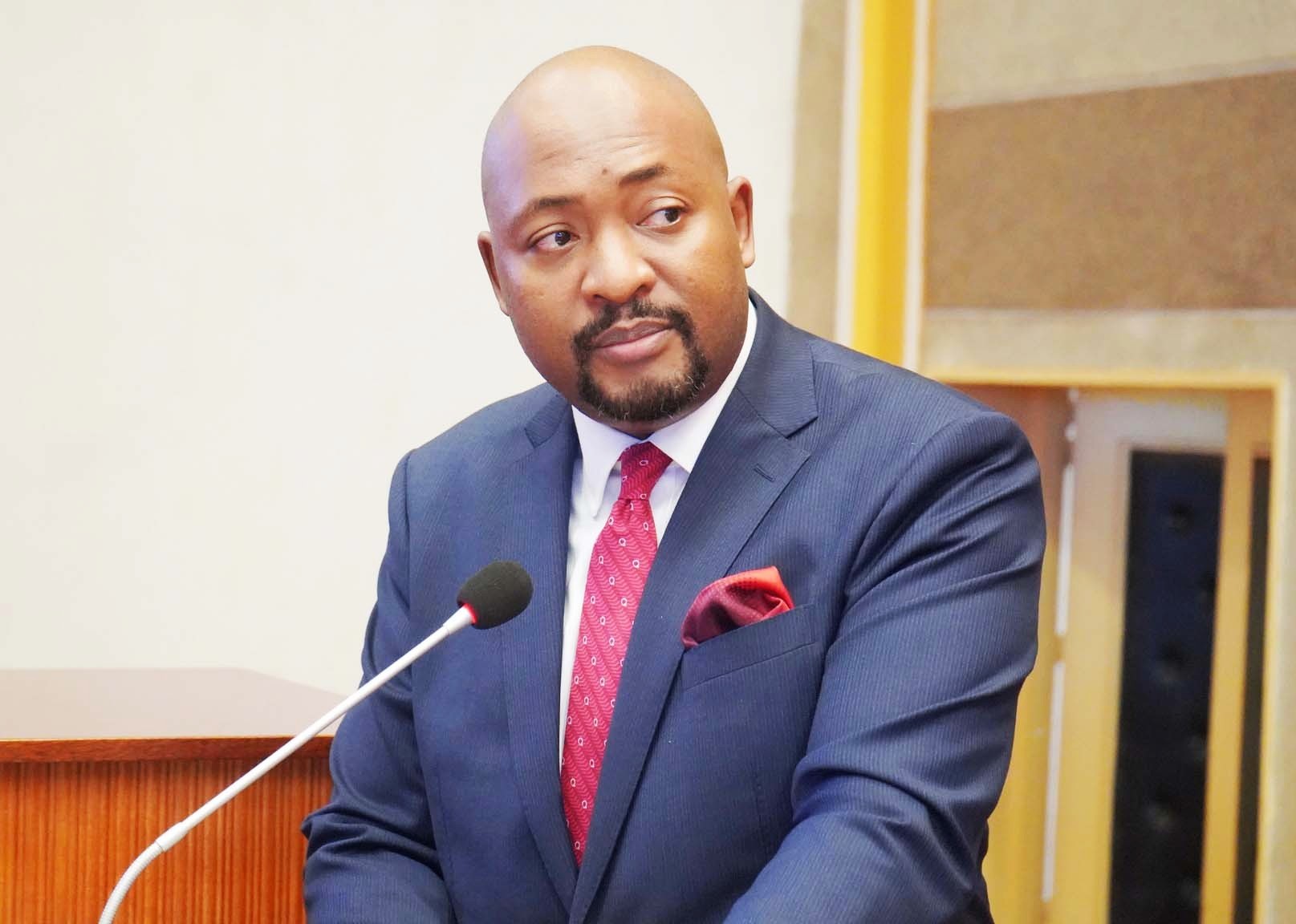
A debate concerning the risks associated with a 'monocolore' national assembly, dominated by a single party, took place on September 5, 2026. Such a parliamentary structure, featuring one dominant political entity, raises questions about its potential impact on citizen representation within the legislative body. The concept of a 'monocolore' assembly implies a legislative chamber where one political party holds an overwhelming majority, potentially overshadowing the voices and interests of minority groups or opposition parties. This structure often prompts discussions about the balance of power and the effectiveness of democratic checks and balances within a nation's governance framework.
Debate on Assembly Structure
The debate on September 5, 2026, regarding a 'monocolore' national assembly included participation from Jean Symphorien Mapenzi, the 1st Vice-President of the National Assembly. Mapenzi's involvement noted the legislative body's engagement with discussions surrounding the structure and representation within the assembly in Centrafrique. His presence showed the significance of the topic for the country's parliamentary leadership, indicating a recognition of the potential implications of such a political configuration. The discussion sought to explore various facets of legislative governance, particularly how the composition of the assembly affects its overall function and responsiveness to the populace.
Yves Sanghamy, spokesperson for the Union for the Centrafrican Renewal (URCA), also featured in the debate. Sanghamy's presence showed the perspective of the URCA, a political organization, on the implications of a parliamentary body dominated by a single party for citizen representation. His participation brought the viewpoint of a non-dominant political entity into the conversation, emphasizing the concerns of parties that might find their influence diminished in a 'monocolore' setting. The discussion focused on how such a structure could influence legislative processes and the diversity of voices heard within the assembly, touching upon issues of policy formulation, oversight, and public accountability.
Concerns Over Single-Party Dominance
The discussion on September 5, 2026, noted concerns among various political figures regarding the potential implications of a single-party dominant parliament in Centrafrique. Jean Symphorien Mapenzi, 1st Vice-President of the National Assembly, acknowledged the ongoing debate surrounding the structure of the legislative body. The concept of a 'monocolore' assembly, where one political entity holds an overwhelming majority, has drawn scrutiny over its capacity to fully represent the diverse interests of citizens. This structure, while potentially offering governmental stability, can also raise questions about the vibrancy of democratic discourse and the protection of minority viewpoints.
Yves Sanghamy, spokesperson for the Union for the Centrafrican Renewal (URCA), voiced his party's perspective on the matter. Sanghamy emphasized the importance of a pluralistic legislative environment to ensure that all segments of the population have their voices heard in policy-making. He indicated that a parliament lacking broad political diversity might struggle to capture the full spectrum of citizen concerns, potentially leading to a less inclusive legislative process. Such a scenario could result in policies that do not adequately address the needs of all citizens, thereby eroding public trust in the legislative body. Armando Yanguendji, a political analyst, further elaborated on the democratic principles at stake. Yanguendji suggested that a strong democracy typically benefits from a variety of viewpoints within its legislative chambers, fostering more full deliberation and oversight. The absence of significant opposition could, according to analysts, diminish the checks and balances essential for effective governance in Centrafrique, potentially leading to a concentration of power that could undermine democratic norms.
Potential Representation Gaps
The concept of a 'monocolore' parliament, where a single political party holds a dominant majority, has prompted discussions regarding its potential impact on the breadth of citizen representation. Jean Symphorien Mapenzi, 1st Vice-President of the National Assembly, acknowledged these concerns during a debate on September 5, 2026. Critics suggest that such a parliamentary structure in Centrafrique could lead to a less diverse range of perspectives being heard in legislative processes. This potential narrowing of viewpoints could affect the quality and fairness of legislation, as decisions might be made without fully considering the varied experiences and requirements of the population.
Yves Sanghamy, spokesperson for the Union for the Centrafrican Renewal (URCA), noted the importance of a pluralistic legislative environment to ensure all segments of the population are represented. A parliament dominated by one political entity might struggle to fully capture the diverse interests and concerns of citizens, according to Sanghamy. This struggle arises from the inherent limitation of a single party to embody the full spectrum of societal opinions and demands. Political analyst Armando Yanguendji stated that healthy democracies typically benefit from a variety of viewpoints within legislative chambers, which fosters full deliberation and oversight. Such diversity is key for strong policy-making and for ensuring that the legislative body remains accountable and responsive to the entirety of the citizenry.