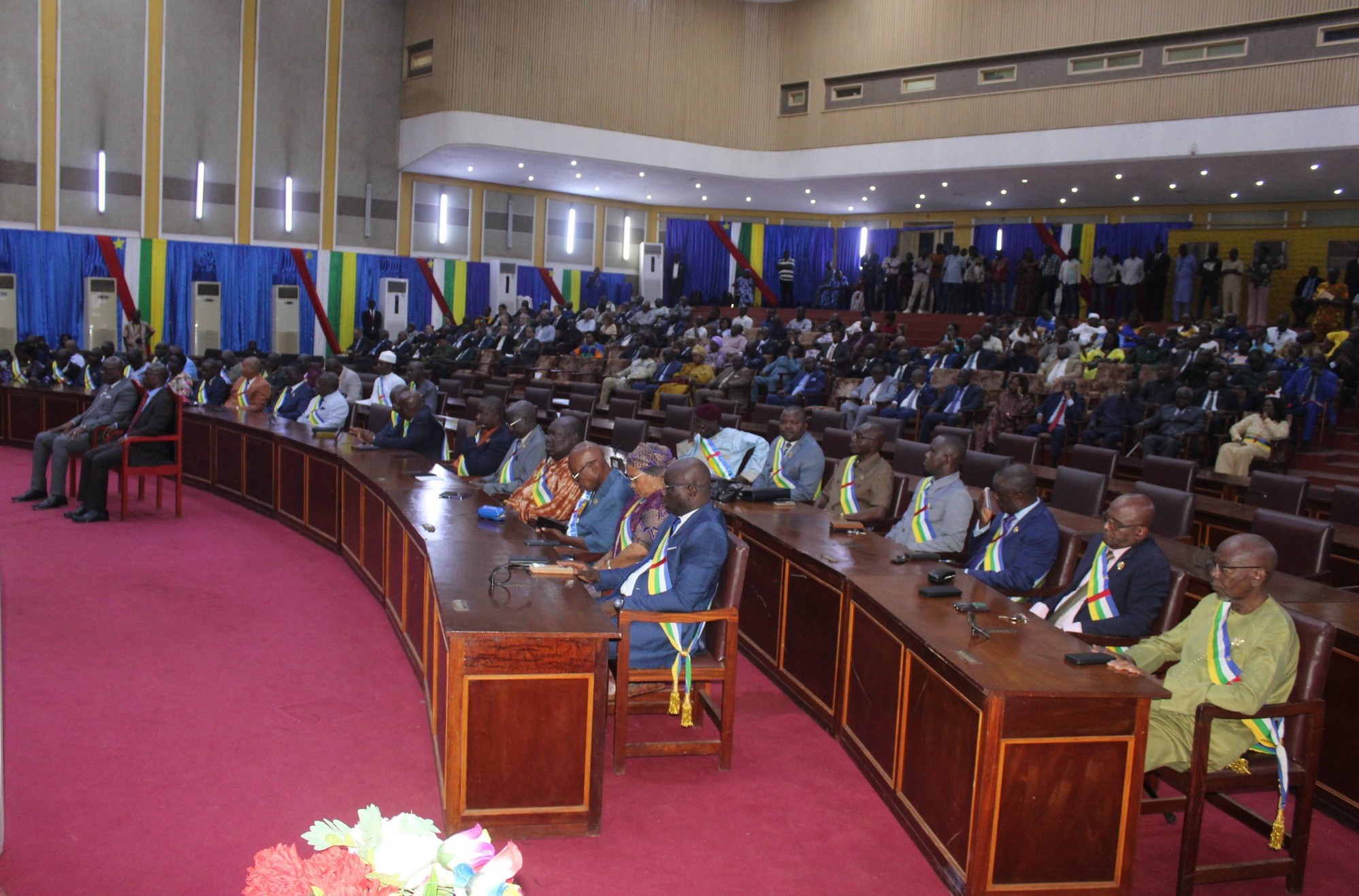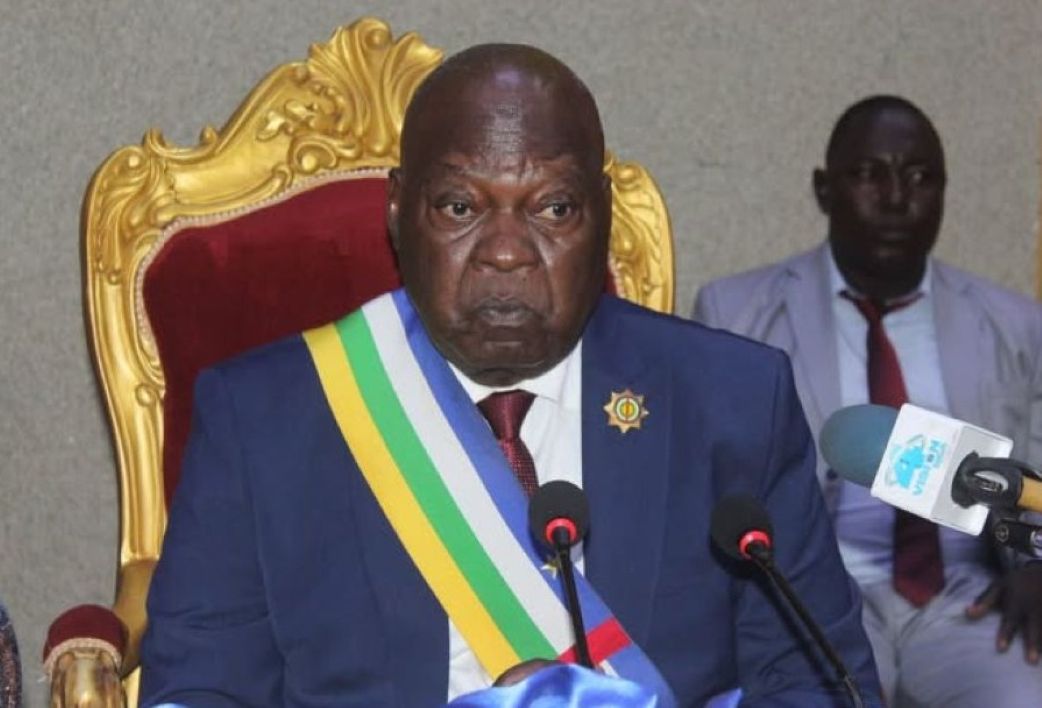
The 7th legislature in Centrafrique concluded its session on April 30, marking the end of its five-year mandate. This significant event has promptly spurred wide-ranging discussions regarding the future role of the opposition within the country's evolving political landscape. The conclusion of the legislature marks a key moment for political actors across the spectrum, as the nation prepares to navigate the upcoming political cycle and consider the performance of its democratic institutions. The formal end of the parliamentary term invites scrutiny and reflection on the legislative body's achievements, challenges, and the effectiveness of its various components, particularly the opposition's function in upholding democratic principles and accountability.
Debate Reviews Legislature's Term
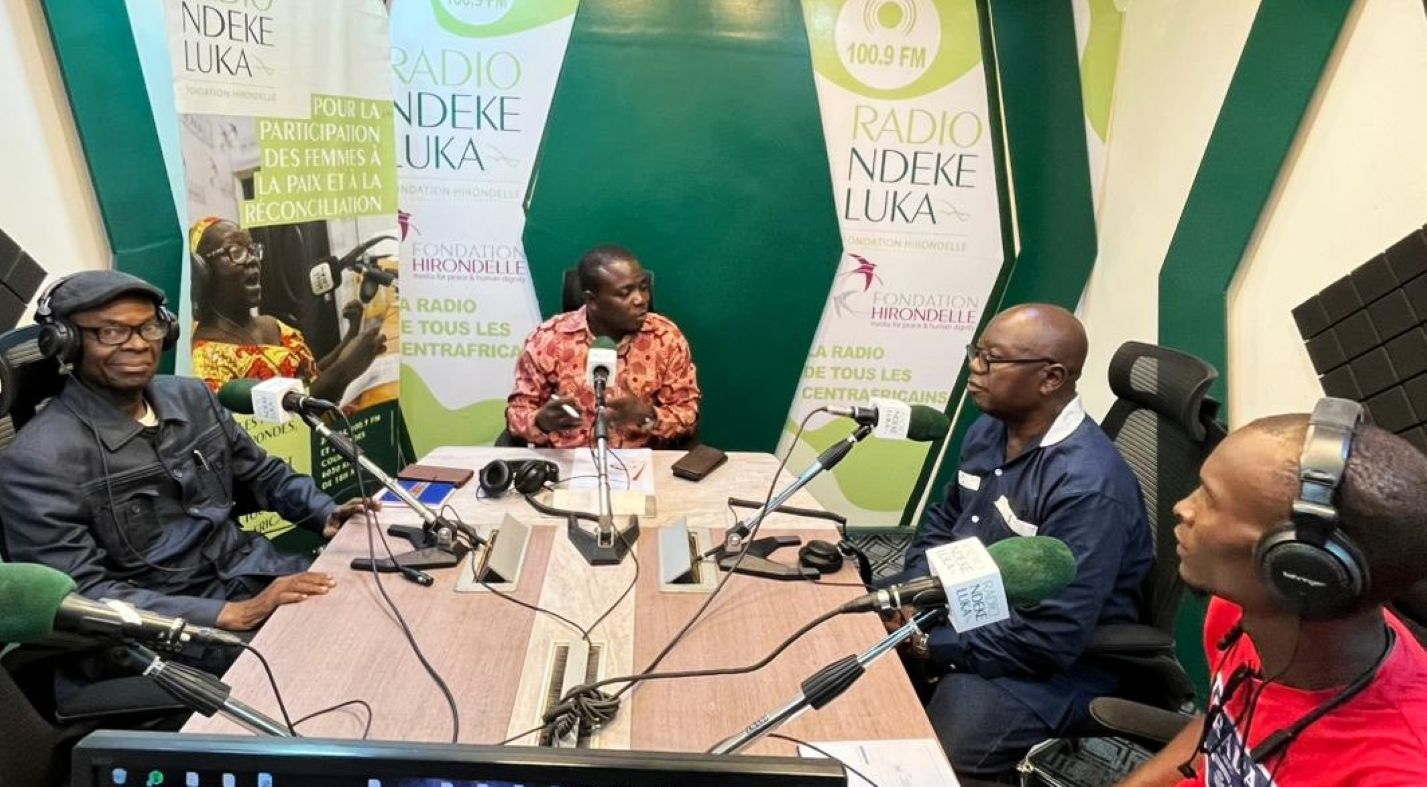
In light of the legislature's conclusion, a special debate was convened to thoroughly review the five-year term of the 7th legislature. This full discussion brought together prominent voices from different sectors of Centrafrique's political and civil society spheres. The insightful discussion included significant contributions from Mathurin Dimbélé Nakoé, who holds the influential position of conseiller spécial du président de l’Assemblée nationale, providing an insider's perspective on parliamentary operations. Also participating was Laurent Gomina Pampali, an ancien député et homme politique, whose prior experience as a legislator offered valuable historical and practical context. Completing the panel was Steeve Bendo-Ndeni, an acteur de la société civile, representing the views and concerns of the broader public. These distinguished participants offered diverse perspectives on the legislative body's overall performance, its impact on national policy, and its effectiveness over its entire duration. The debate aimed to dissect how the legislature functioned and what its legacy might be as the country moves forward.
Assessing the Counter-Power Function
A central theme of the discussion on the 7th legislature was a critical assessment of the opposition's effectiveness in fulfilling its key counter-power role. Mathurin Dimbélé Nakoé, conseiller spécial du président de l’Assemblée nationale, meticulously outlined the constitutional provisions that are specifically designed to empower the opposition. He noted mechanisms that allow the opposition to propose laws, introduce amendments to government bills, and actively participate in legislative debates. He noted that these institutional frameworks are firmly in place to ensure strong checks and balances within the legislative process, preventing unchecked power.
Laurent Gomina Pampali, an ancien député et homme politique, offered a nuanced observation, stating that while the institutional framework for opposition engagement undeniably exists, the actual impact and success of opposition proposals often depend significantly on the prevailing political climate and the receptiveness of the majority party or ruling coalition. He suggested that political will and collaboration are as important as constitutional mandates. Steeve Bendo-Ndeni, an acteur de la société civile, further elaborated on this dynamic, pointing out that civil society organizations frequently step in to act as additional voices, sometimes amplifying concerns and advocating for issues that the parliamentary opposition struggles to advance effectively due to various constraints. The participants collectively assessed that while the formal avenues for exercising counter-power are clearly established and legally sound, their practical application and tangible influence necessitate consistent, strategic engagement and adept utilization by opposition forces to truly make a difference.
Perspectives on Legislative Performance
The 7th legislature's performance drew varied and insightful assessments from across the political spectrum and civil society representatives present at the debate. Mathurin Dimbélé Nakoé, conseiller spécial du président de l’Assemblée nationale, noted the legislative body's fundamental role in the careful process of passing laws and providing essential oversight of government action. He particularly emphasized the established procedures for policy formulation, public debate, and the scrutiny of executive decisions, showing the formal mechanisms that are integral to the proper functioning of a parliamentary system. Laurent Gomina Pampali, an ancien député et homme politique, offered a perspective that focused more on the practical, tangible outcomes of the legislature's work, carefully pointing to specific policy areas where its influence was either more pronounced and impactful or, conversely, less effective. Steeve Bendo-Ndeni, an acteur de la société civile, provided an invaluable external view, noting specific areas where legislative action appeared to align well with the public interest and, critically, identifying instances where gaps or shortcomings might have emerged in addressing societal needs. Their full discussions, broadcast by Radio Ndeke Luka, offered a thorough and multi-faceted look at the legislative period, providing citizens with a deeper understanding of their parliamentary system.