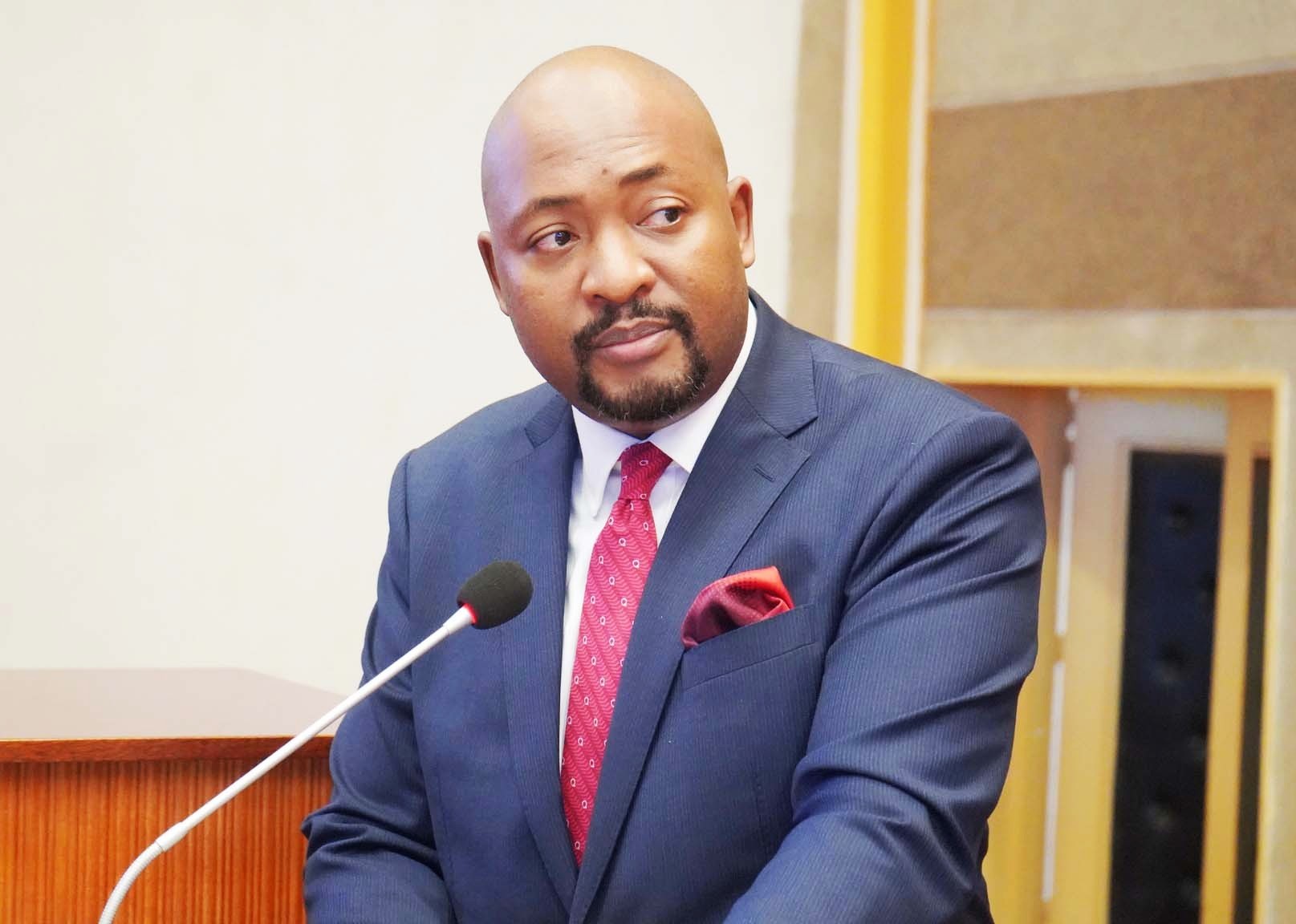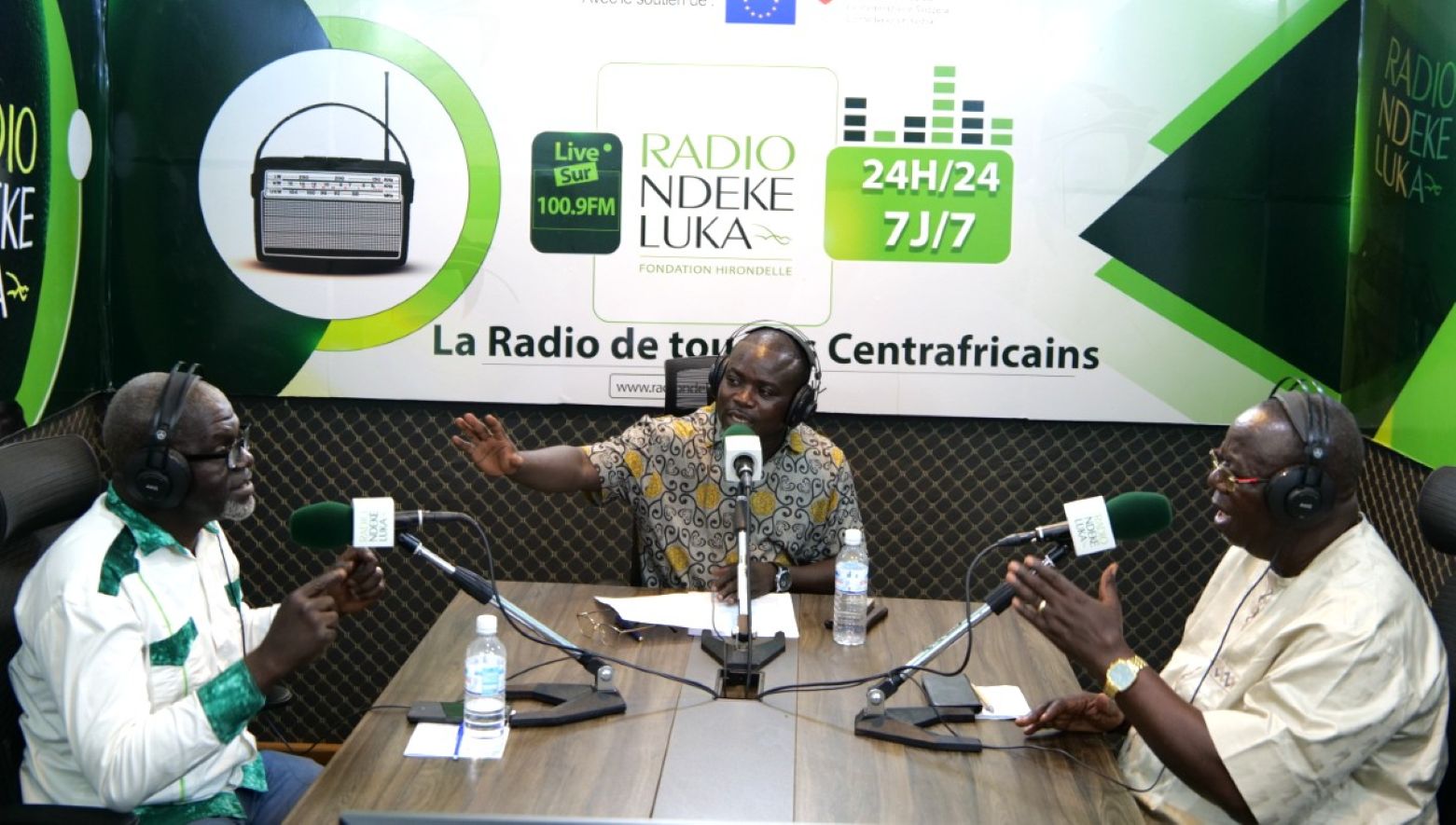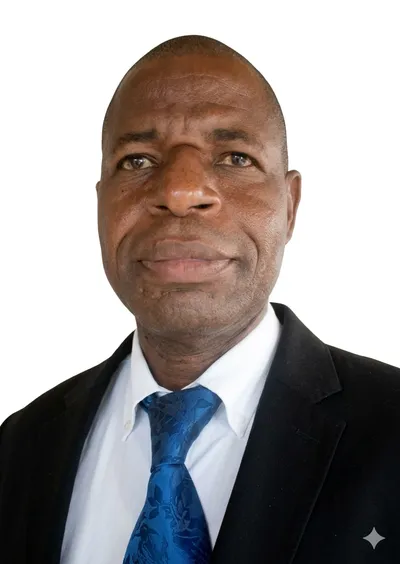
Opposition figure Raymond Adouma challenged the Central African Republic government's claims of pacification during a debate on radio Ndékè-luka with Minister Héritier Doneng. The intense exchange, broadcast live, brought to light significant discrepancies between official pronouncements and the opposition's assessment of the nation's security landscape. Adouma asserted that citizens in the hinterland and surrounding Bangui remain unable to conduct their daily activities without hindrance, directly contradicting official narratives of stability. He stated, "One does not build a republic with militias that do not comply with the texts," noting concerns over irregular armed groups and their unchecked presence. Adouma further criticized government spending, claiming, "We spend 1000 times more on foreign forces than on our own army, which is destitute." This stark financial comparison showed his argument about misplaced priorities in national security. The exchange showed deep divergences within the Central African Republic following the establishment of the seventh Republic, revealing persistent disagreements over the nation's security and governance, particularly regarding the practical impact of government policies on daily life for ordinary citizens.
Opposition's Ground Reality
Raymond Adouma asserted that the pacification claimed by President Faustin-Archange Touadéra exists solely in speeches, a declaration he made repeatedly during the radio debate. He contended that armed groups continue to circulate with weapons, impeding normal movement on roads across the Central African Republic. This ongoing presence of armed factions, Adouma argued, directly undermines any claims of widespread peace and security. Adouma stated that these forces are unable to effectively clear areas near the capital or restore peace in villages, suggesting a failure of government strategy to secure critical zones. The opposition figure also pointed to the existence of "sharks," a private militia he attributed directly to Minister Doneng, raising serious questions about the nature and control of armed elements operating within the country. Adouma rejected Minister Doneng's arguments, maintaining that government declarations of unity and security do not reflect the realities on the ground in the provinces, where insecurity persists. He concluded that the March 30th speech on pacification is part of a series of repetitive promises that have lacked concrete effects for citizens, leading to a growing sense of disillusionment among the populace.
Government's Defense and Claims
The government of the Central African Republic maintains that the nation is entirely pacified, even as it continues to issue calls for further pacification efforts, a point of contention for the opposition. Minister Héritier Doneng defended President Faustin-Archange Touadéra's record, asserting that the republican army, supported by its partners, has successfully reclaimed control over the entire national territory. This assertion directly countered Adouma's claims of ongoing insecurity and the continued presence of armed groups. According to official figures, the Central African army comprises at least 33,000 personnel, a substantial force that the government claims is actively engaged in maintaining peace and order. Doneng characterized the opposition bloc, the BRDC, as pessimistic in its outlook, suggesting their views do not accurately represent the progress made. He also noted what he described as a renewed sense of cohesion among various Central African communities, suggesting a unified front in the nation's progress towards stability and national reconciliation. Doneng emphasized that the government's efforts have led to tangible improvements, despite the opposition's criticisms.
Economic and Security Disparities
Raymond Adouma asserted that foreign forces supporting the government are significantly more expensive than the national army, which he described as ill-equipped and under-resourced. He claimed that the cost of these foreign forces is "1000 times more" than that of the Central African Republic's own military, presenting this as a critical misallocation of national funds. This disparity in resources and expenditure was a key point of contention during the radio debate, with Adouma arguing that investing more in the national army would be a more sustainable and effective approach to security. The exchange between Mr. Adouma and Minister Héritier Doneng took place in a tense atmosphere, reflecting the high stakes and deep divisions within the country's political landscape. Listeners noted the sharp exchanges and direct confrontations between the two guests, reflecting deep-seated disagreements on the country's security situation and economic priorities. The debate noted divergent views on the effectiveness and cost of current security strategies, with the opposition suggesting that the current approach is financially unsustainable and ineffective in achieving lasting peace.
Calls for Dialogue Unheeded
Raymond Adouma stated that the opposition had previously sought dialogue to de-escalate political tensions before the elections. He noted that these appeals for discussion and engagement were not acknowledged or acted upon by the government, leading to a missed opportunity for national consensus. The opposition figure noted this lack of response as a missed opportunity to improve the political climate in the Central African Republic, suggesting that open communication could have averted some of the current disagreements. Adouma implied that a more inclusive approach to governance and security would benefit the nation, contrasting it with the government's perceived unilateral decision-making. This unheeded call for dialogue shows the broader political polarization that continues to characterize the Central African Republic following the establishment of the seventh Republic. The debate on radio Ndékè-luka thus served as a public airing of these long-standing grievances and policy differences.