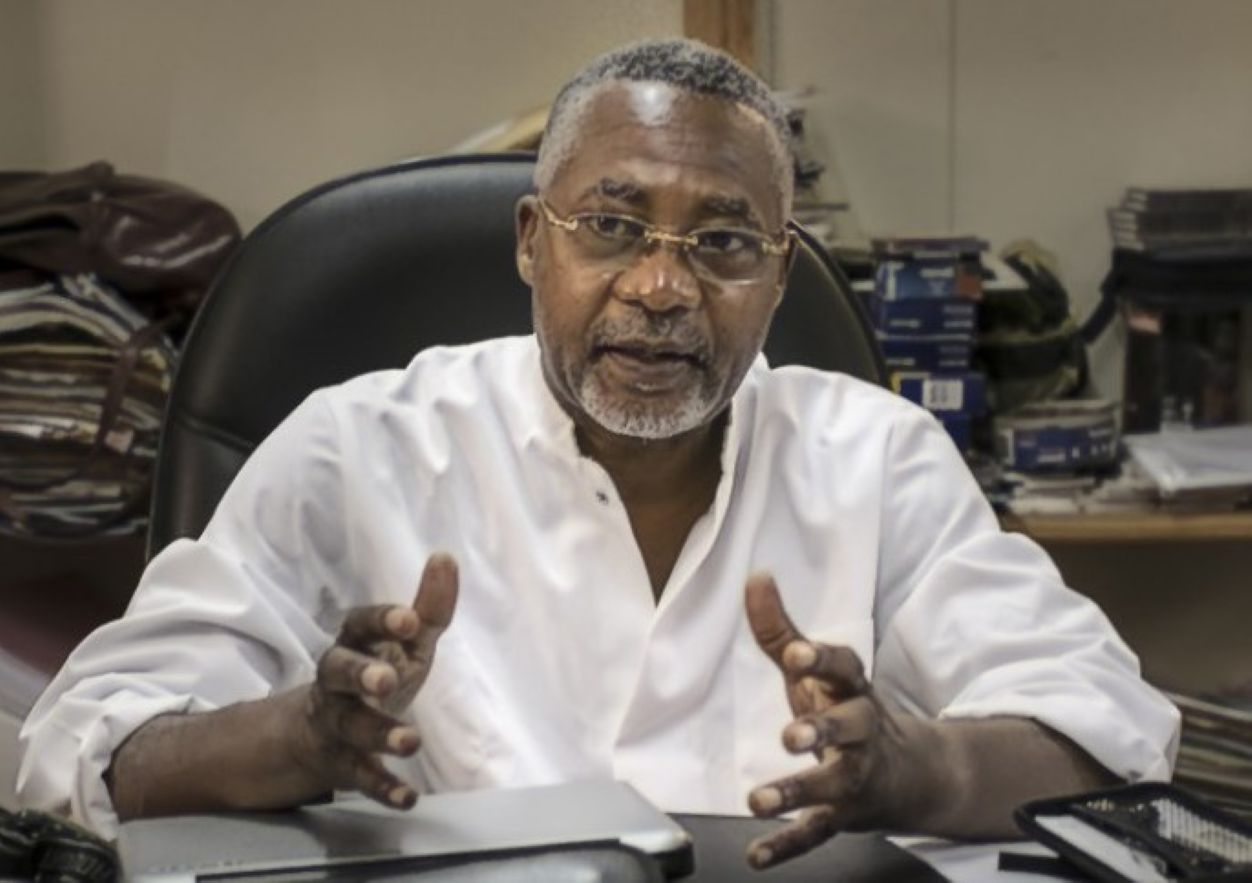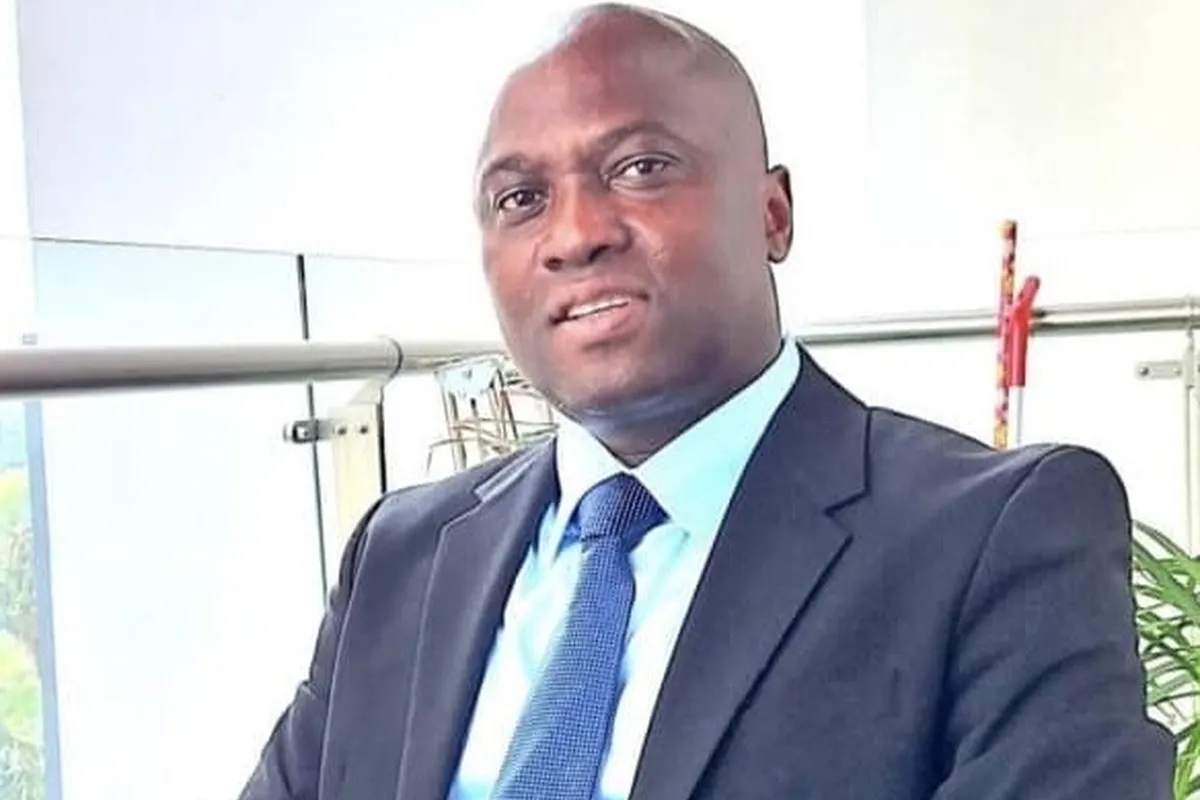
Dr. Dominique Désiré Erenon returned to the Central African Republic in October 2025, an event occurring after the nation adopted a new Constitution in 2023. This significant constitutional change formally established the 7th Republic in the Central African Republic, marking a profound legal and political shift within the country's governance structure. The adoption of this new Constitution in 2023 laid the groundwork for a revised political landscape, redefining the parameters of political participation and rights within the nation. Erenon's return follows these fundamental constitutional changes, placing his arrival in a newly defined political landscape that purports to embrace broader democratic principles. His re-entry into the Central African Republic's public life therefore occurred at a key moment in the nation's contemporary political evolution.
Constitutional Framework and Repression
The new constitutional framework in the Central African Republic, which came into effect with the adoption of the new Constitution in 2023, explicitly affirms political pluralism and formally recognizes the opposition as a legitimate component of the political system. This legal structure was established with the stated aim of fostering a more inclusive and democratic political environment. However, reports from international observers have painted a more complex picture. Human Rights Watch reported in 2023 that civil society organizations, media outlets, and opposition parties that were critical of the government faced significant pressure. These reports indicate a notable disparity between the constitutional provisions, which guarantee pluralism, and the practical environment for political activity on the ground. The pressure documented by Human Rights Watch against these groups suggests ongoing limitations on the expression of political dissent and critical viewpoints, despite the framework's stated commitment to a multi-party system and the recognition of opposing voices. This discrepancy raises questions about the full implementation of the constitutional guarantees for political freedom and expression.
Dr. Dominique Désiré Erenon had been in exile in France for several years prior to his return, having resided abroad for an extended period. His long absence in France places his re-entry into the Central African political scene within the immediate context of these recent constitutional changes and the reported pressures on opposition elements within the country. His decision to return follows a period where the government's approach to critical voices and political dissent has drawn scrutiny from various international observers and human rights organizations. This background notes the potentially challenging environment into which Dr. Erenon returned, especially given his prominent role as an opposition figure.
Arrest of Dr. Erenon
Dr. Dominique Désiré Erenon, who serves as the president of the Marche pour la démocratie et le salut du peuple (MDSP) party, was arrested upon his return to the Central African Republic. His detention occurred within a broader context where the government had previously issued calls for members of the diaspora, including political figures and intellectuals living abroad, to return to the country and contribute to its development. Erenon, who had been living in exile, had also been recruited as a Constitutional Expert by the African Union in Addis-Abeba, a significant role that positioned him within international legal frameworks and showed his expertise in constitutional matters. This appointment by a prominent continental body further notes his standing as a legal scholar and political figure.
Sociologist Faustin Zameto commented on Erenon's previous absence from the nation's public life, noting a period of disengagement. Zameto specifically pointed out Erenon's lack of participation in active political debates within the country and his absence from the Faculty of Law and Political Science of the Université de Bangui, where he had previously held a distinguished academic position. This observation shows the fact that Erenon was returning after a significant hiatus from the domestic political and academic spheres. His return and subsequent arrest therefore mark a significant and potentially key development for the MDSP party, which he leads, and for the broader political landscape of the Central African Republic, particularly concerning the treatment of returning opposition figures.
Tests of Democracy
Dr. Dominique Désiré Erenon was arrested upon arrival at Bangui-M’Poko International Airport on October 3, 2025. This arrest occurred despite the Central African Republic's new constitutional framework, adopted in 2023, which explicitly affirms political pluralism and officially recognizes the opposition as a legitimate part of the political system. The incident follows earlier reports from Human Rights Watch in 2023, which indicated that President Touadéra had publicly associated some opposition leaders with rebel groups and a criminal organization. These reports noted significant concerns about the environment for political dissent and the potential for stigmatization of opposition figures in the country. Such public statements from the head of state can contribute to a climate of apprehension for those expressing critical views.
Erenon's literary work also provides key context to the political climate surrounding his return; his book, "constitutionnalisme et coups d’Etat en Afrique : cas du Centrafrique," was published in Paris in March 2025. The publication explored complex themes of constitutionalism and coups d’état in Africa, with a specific focus on the Central African Republic, just months before his return and subsequent detention. This academic contribution, analyzing critical aspects of governance and political stability within his home country, adds another layer of significance to his arrest, suggesting that his intellectual contributions might also be perceived as challenging to the established order. The timing of his return, his arrest, and the content of his recent academic work collectively show the ongoing tensions between constitutional ideals and political realities in the Central African Republic.