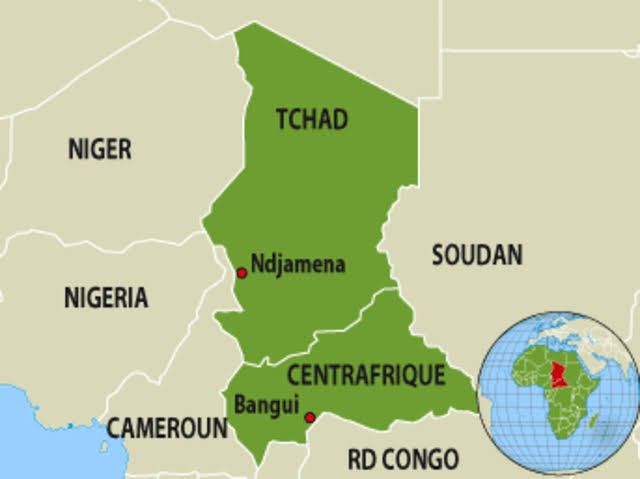
Opposition members in the democratic coalition BRDC are demanding urgent mining reforms following the collapse of a mine in Zamboye, a town located on the border with Cameroon. Raymond Adouma, a former minister and member of the coalition, stated, "Il y a un réel problème d’encadrement de toutes les activités sur le site minier." He argued that "On n’a pas assez de compétences pour pouvoir accompagner l’encadrement de ces extractions," adding that "On a mis un peu la charrue avant les bœufs." Adouma claimed the ministry issued permits without adequate oversight, asserting, "Le ministère des Mines n’a pas pris le soin de se doter d’abord des compétences avant d’attribuer beaucoup de permis miniers," and concluded, "Ces drames sont justifiés par cette planification manquée."
The collapse in Zamboye has brought immediate attention to the regulatory environment surrounding mineral extraction in the region. Raymond Adouma, drawing on his experience as a former minister, emphasized that the incident notes a fundamental disconnect between the government’s administrative actions and the practical realities of site management. According to his assessment, the democratic coalition BRDC views the event as a direct consequence of policy decisions made without the necessary infrastructure to support safe operations. The focus of the opposition remains on the legislative and administrative processes that preceded the incident, specifically the pace at which the ministry has authorized mining activities.
Systemic Failures in Oversight
Government records indicate that more than 100 mining permits have been issued by authorities to date. These authorizations cover various sites operating across the Central African Republic. The scale of these permits remains a point of contention for opposition members, who question the administrative capacity to manage such a high volume of active mining operations. Officials have not provided a detailed breakdown of the distribution or the specific oversight mechanisms currently applied to these individual permit holders. The concentration of these permits in specific border regions has drawn scrutiny following the collapse in Zamboye. Industrial oversight remains a primary concern for critics monitoring the current regulatory framework. The government has yet to announce a formal review of the existing permit allocation process or a timeline for potential revisions to the current mining policy.
The sheer volume of permits issued across the Central African Republic has created a situation where the democratic coalition BRDC believes the government is unable to maintain effective control. Raymond Adouma has pointedly questioned how the Ministry of Mines can ensure compliance when the number of sites exceeds the current personnel and technical resources available for inspection. By issuing more than 100 mining permits, the government has created a complex regulatory landscape that critics argue is prone to the exact type of failure witnessed in Zamboye. The lack of transparency regarding how these permits are monitored continues to fuel the debate within the BRDC. As the coalition pushes for reform, the government faces pressure to justify its permit allocation strategy and demonstrate how it intends to prevent further incidents in border areas like Zamboye, where the proximity to Cameroon adds an additional layer of complexity to the logistical and administrative oversight required for mining operations.