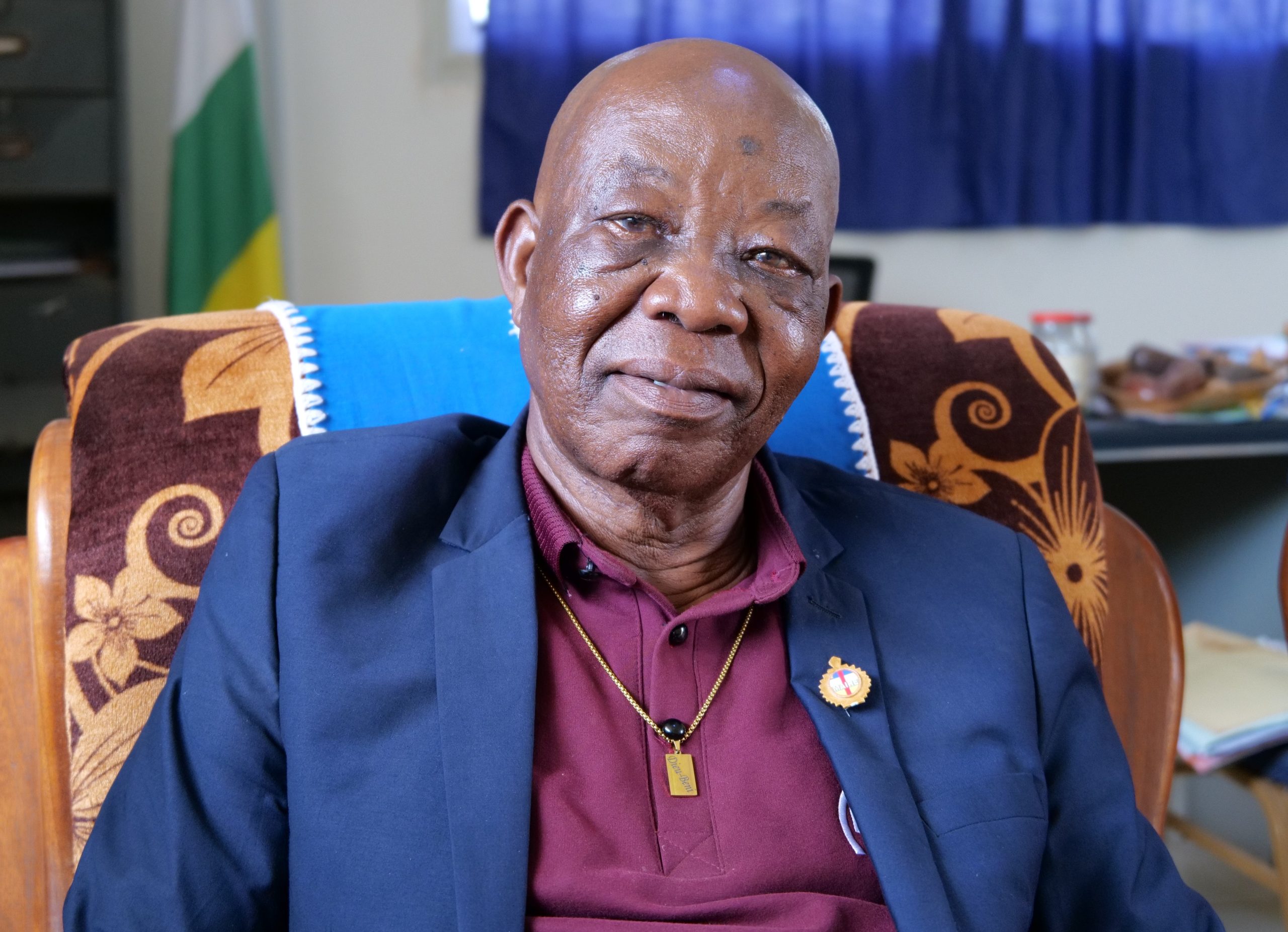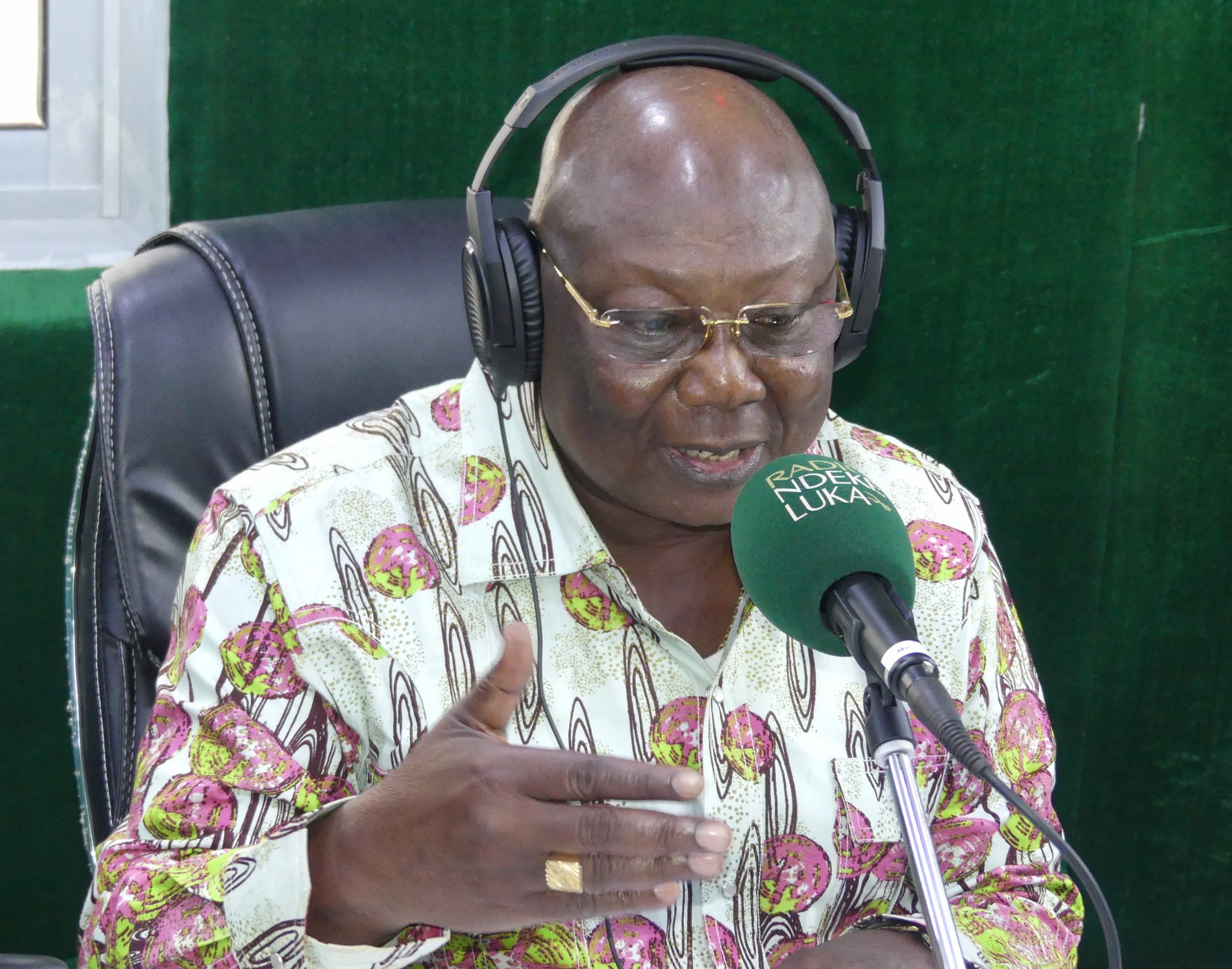
Local political figures are voicing concerns regarding the Central African Republic's financial stability, following recent reports of declining oil revenues. Martin Ziguélé, spokesperson for the Bloc républicain pour la défense de la Constitution du 30 mars 2016 (BRDC), attributed these looming economic challenges to the decrease in state income from oil. As the spokesperson for the Bloc républicain pour la défense de la Constitution du 30 mars 2016 (BRDC), Mr. Ziguélé's statements carry significant weight in the national political discourse. This situation is prompting discussions about the broader economic outlook for the République centrafricaine, particularly in light of engagements with international financial institutions like the Fonds monétaire international (FMI) and the Banque mondiale. The country's reliance on natural resources for revenue makes the fluctuations in oil income a critical indicator of its fiscal health.
IMF, World Bank Recommendations
A recent report from the Fonds monétaire international (FMI) and the Banque mondiale is discussed in the article, noting the international financial institutions' perspectives on the République centrafricaine's economic situation. This report, a joint effort by the International Monetary Fund (IMF) and the World Bank, provides a full overview of the country's economic landscape and offers strategic recommendations. The report follows an audit which was established as a condition for the Central African Republic to benefit from the Extended Fund Facility (FEC). This requirement shows the importance placed by the FMI and the Banque mondiale on fiscal transparency and economic governance for countries seeking support through such financial mechanisms. The audit's findings are expected to play a key role in shaping future economic policies and resource management strategies within the République centrafricaine, particularly concerning its oil revenues. The FMI and Banque mondiale have emphasized that adherence to these conditions is vital for securing sustained international financial assistance and fostering long-term economic stability.
BRDC's Stance on Fiscal Health
Martin Ziguélé, spokesperson for the Bloc républicain pour la défense de la Constitution du 30 mars 2016 (BRDC), has expressed significant concerns regarding the fiscal health of the République centrafricaine. As the official voice of the Bloc républicain pour la défense de la Constitution du 30 mars 2016 (BRDC), Mr. Ziguélé articulated the party's apprehension about the nation's economic trajectory. The BRDC attributes the country's looming economic challenges directly to a decline in state income derived from oil. This situation, according to Ziguélé, notes a critical juncture for the nation's financial stability, demanding immediate and effective policy responses. The BRDC's position comes amidst ongoing discussions with international financial institutions, including the Fonds monétaire international (FMI) and the Banque mondiale. These institutions have recently provided recommendations following an audit, which was a prerequisite for the Central African Republic to access the Extended Fund Facility. The BRDC shows the necessity for transparent and effective management of national resources to address the current revenue shortfalls and secure the country's economic future. The political bloc's stance reflects a broader public sentiment regarding accountability in resource management.
Conditions for Financial Aid
The Fonds monétaire international (FMI) and the Banque mondiale have jointly recommended that the République centrafricaine undertake an independent audit of its mining and forestry sectors. This key recommendation by the International Monetary Fund (IMF) and the World Bank aims to bolster accountability and transparency in these key economic areas. This recommendation forms part of broader conditions set by the international financial institutions. The audit aims to enhance transparency and improve governance within these key economic areas, which are vital for the country's revenue generation. Such measures are often prerequisites for nations seeking financial support mechanisms like the Extended Fund Facility (FEC), to ensure fiscal responsibility and sustainable resource management. The FMI and Banque mondiale emphasize the importance of strong oversight in these sectors to stabilize the nation's financial outlook. This independent audit is specifically a condition for the Central African Republic to benefit from the Extended Fund Facility (FEC), noting its importance in the broader financial assistance framework.