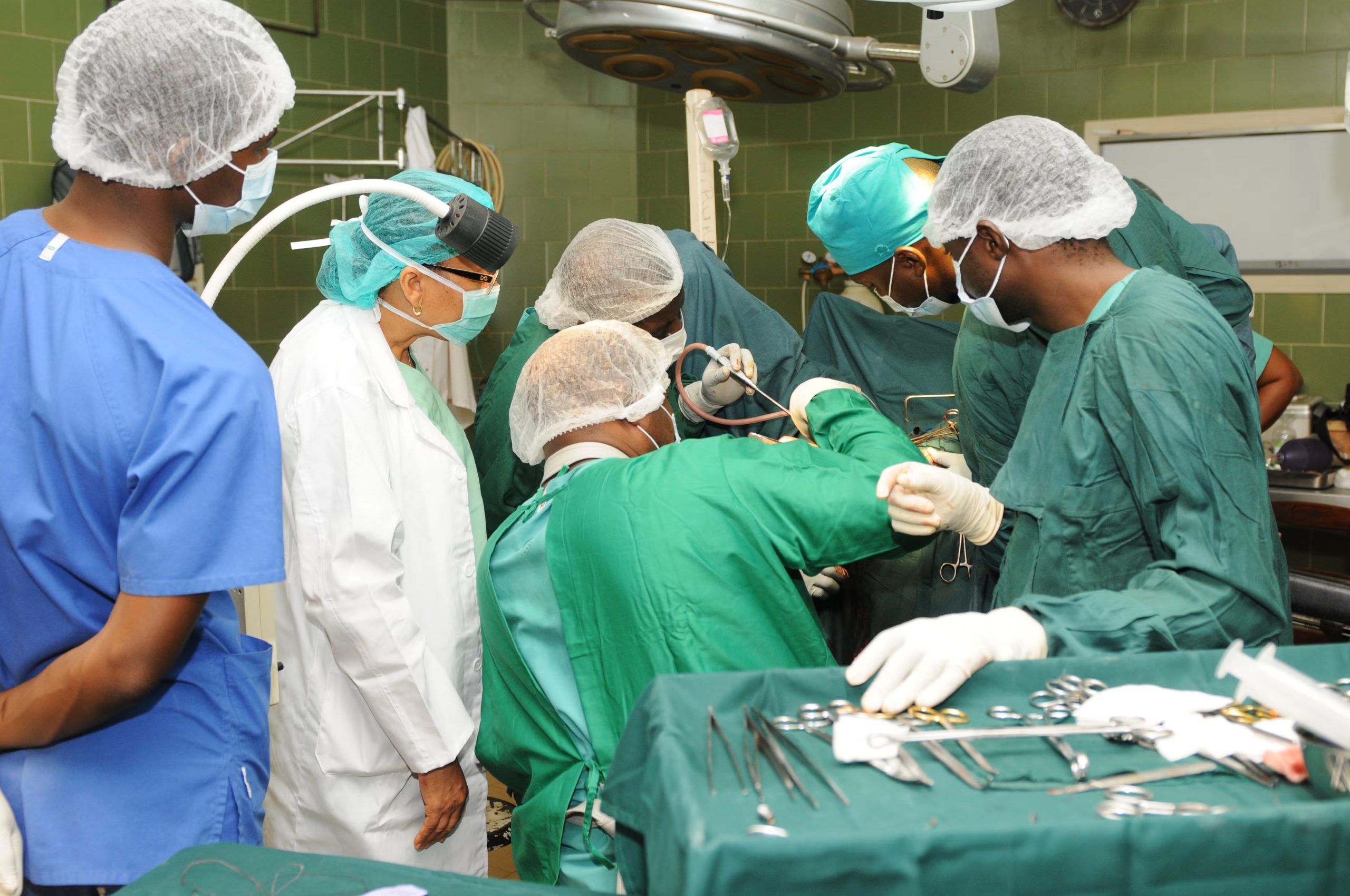
Obstetric fistula is a critical health issue affecting women in the Central African Republic, a condition that poses significant challenges for those impacted. This article aims to shed light on the widespread problem within the République centrafricaine, detailing its effects and the broader implications for public health. The discussion notes the urgent need for awareness and intervention regarding this often-overlooked crisis.
Understanding Obstetric Fistula
Obstetric fistula is a severe, debilitating medical condition resulting from prolonged, obstructed labor without access to timely medical intervention, such as a C-section. This leads to a hole forming between the birth canal and the bladder or rectum, causing uncontrollable leakage of urine or feces. The condition often results in chronic health problems, including infections, kidney disease, and nerve damage. Beyond the physical ailments, women suffering from obstetric fistula frequently experience social isolation, stigma, and psychological trauma within their communities. The World Health Organization classifies obstetric fistula as one of the most devastating injuries of childbirth, primarily affecting women in low-income countries with limited healthcare access. Its prevalence is a direct indicator of systemic failures in maternal healthcare provision.
Expert Insights on the Issue
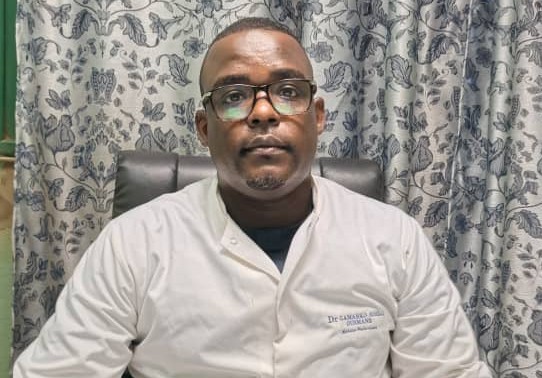
Dr. Mauricette Julie Goddot, a gynecologist, is featured in the Mag-Santé segment to discuss the topic of obstetric fistula in the Central African Republic. Her participation shows the medical community's engagement with the issue. The segment, broadcast by Radio Ndeke Luka, aims to bring expert perspectives to the public regarding this critical health concern. Dr. Goddot’s insights are essential for understanding the complexities of obstetric fistula, from its causes to its profound impact on women's lives. Her expertise helps to explain the medical challenges faced by women in the République centrafricaine, where healthcare infrastructure is often limited. This expert commentary is part of a broader effort, supported by organizations such as the Journalism Trust Initiative, Fondation Hirondelle, Direction du développement et de la coopération DDC, and Union Européenne, to raise awareness and promote solutions for maternal health crises in the region.
The Road to Prevention and Treatment
The ongoing discussion concerning obstetric fistula in the Central African Republic takes place in prelude to the International Day for Obstetric Fistula, an annual observance held on May 23rd. This global day aims to raise awareness and mobilize support for ending obstetric fistula, a condition largely preventable and treatable. Efforts in the République centrafricaine, including those noted by Radio Ndeke Luka and Dr. Mauricette Julie Goddot, align with the broader international objective to eradicate the condition. These initiatives often focus on improving maternal healthcare access, including skilled birth attendance and emergency obstetric care, as primary prevention strategies. Treatment, primarily surgical repair, is also critical for women already suffering from fistula. Organisations such as the Journalism Trust Initiative, Fondation Hirondelle, Direction du développement et de la coopération DDC, and Union Européenne contribute to these efforts, showing a collaborative approach to address this public health challenge. The focus remains on strengthening healthcare systems to ensure women receive timely and appropriate care during childbirth.