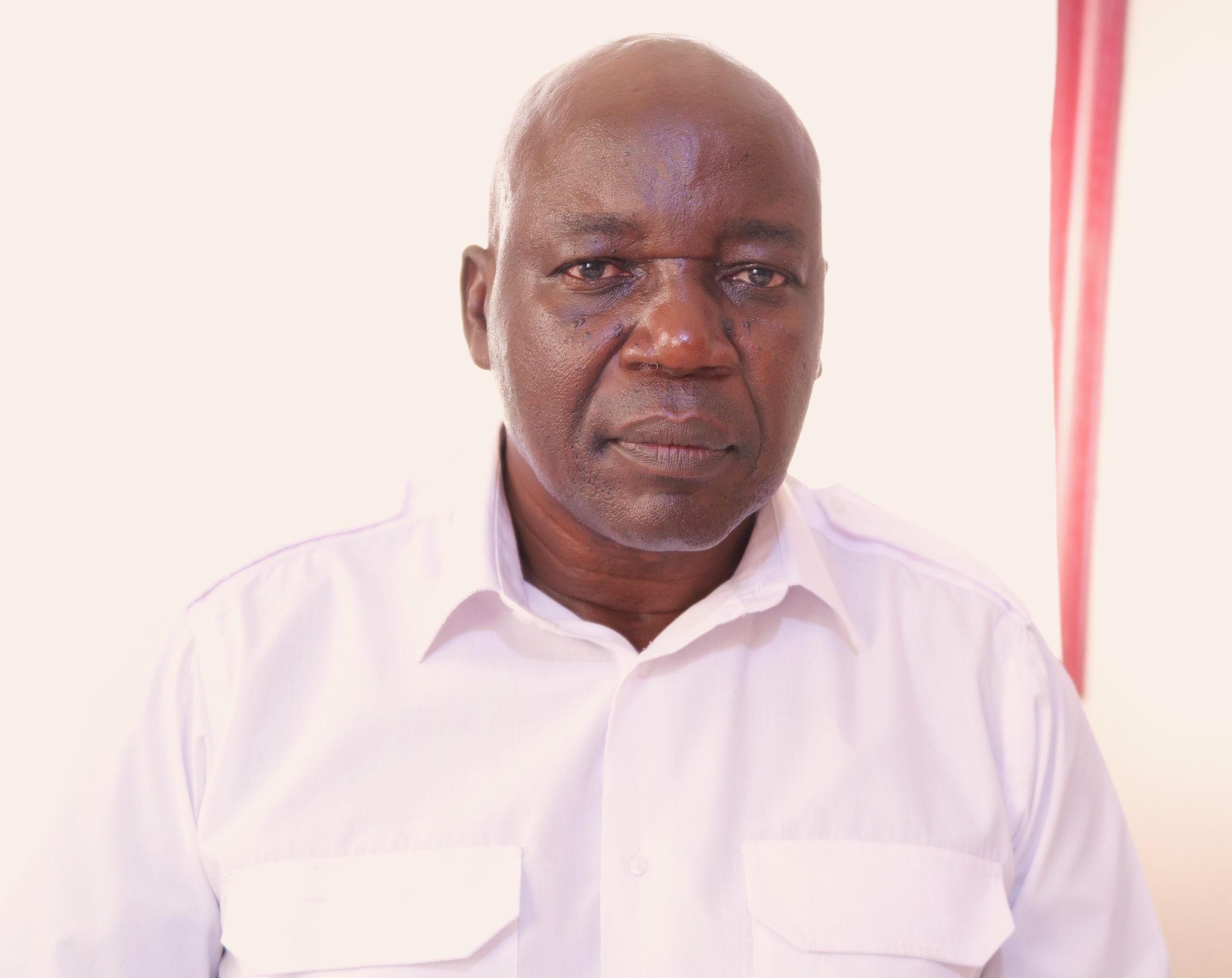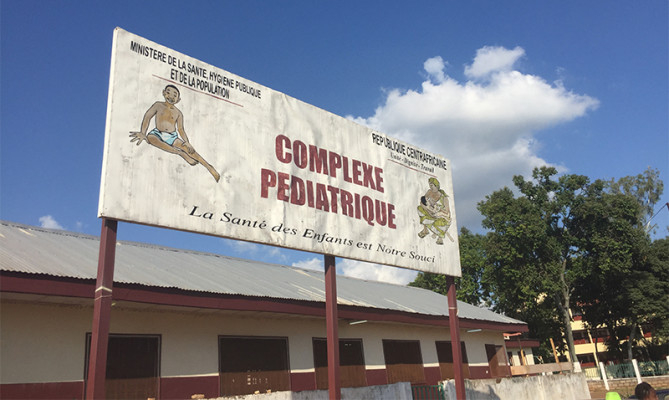
An NGO has denounced hospital facilities in Centrafrique following a tragic incident in early August, when a woman gave birth to quintuplets in a village near Bogangolo, in the Ombella-Mpoko prefecture. This significant event, occurring in a rural setting, involved the birth of five infants: one boy and four girls. Stevie Doko, founding president of the NGO DAY, made this denunciation during an interview, noting the critical situation of medical infrastructure in the country. Doko responded to questions posed by Emmanuel Samboli-Fils regarding the circumstances surrounding the quintuplet tragedy and the broader implications for healthcare provision. The NGO's statement comes as a stark reminder of the challenges faced by the healthcare system, particularly in regions outside the capital.
Tragic Birth and Loss
The five newborns tragically died after their transfer to the Bangui Pediatric Center, a facility intended for specialized care. This transfer occurred following their birth in a remote village near Bogangolo, situated within the Ombella-Mpoko prefecture. The journey and the subsequent outcome showed the severe limitations of medical support available to new mothers and infants in underserved areas. The NGO DAY, through its founding president Stevie Doko, noted the dire circumstances surrounding the deaths of the quintuplets. Doko's comments, made during an interview with Emmanuel Samboli-Fils, focused on the broader issues with hospital facilities in Centrafrique, particularly the lack of adequate resources and specialized equipment in provincial medical centers. The incident involving the quintuplets, comprising one boy and four girls, has drawn significant attention to the critical state of medical infrastructure in the region and the urgent need for improvements.
NGO's Stark Accusation
Nearly two weeks after this tragic event, the NGO DAY formally denounced the inadequacy of technical facilities in provincial hospitals across Centrafrique. The organization asserted that the lack of proper equipment, trained personnel, and strong infrastructure significantly contributed to the dire circumstances surrounding the quintuplets' deaths. This condemnation by DAY, articulated through its leadership, pointed to systemic issues within Centrafrique's healthcare system, particularly outside the capital city of Bangui. Their strong statement followed the heartbreaking incident where five newborns, one boy and four girls, died after being transferred to the Bangui Pediatric Center. The infants had been born in a village near Bogangolo, located in the Ombella-Mpoko prefecture, a region emblematic of the challenges faced by rural communities in accessing quality healthcare. This denunciation by DAY brought critical attention to the operational capabilities and resources available at medical facilities across the country's provinces, calling for immediate action to prevent future tragedies.
Broader Context of Care
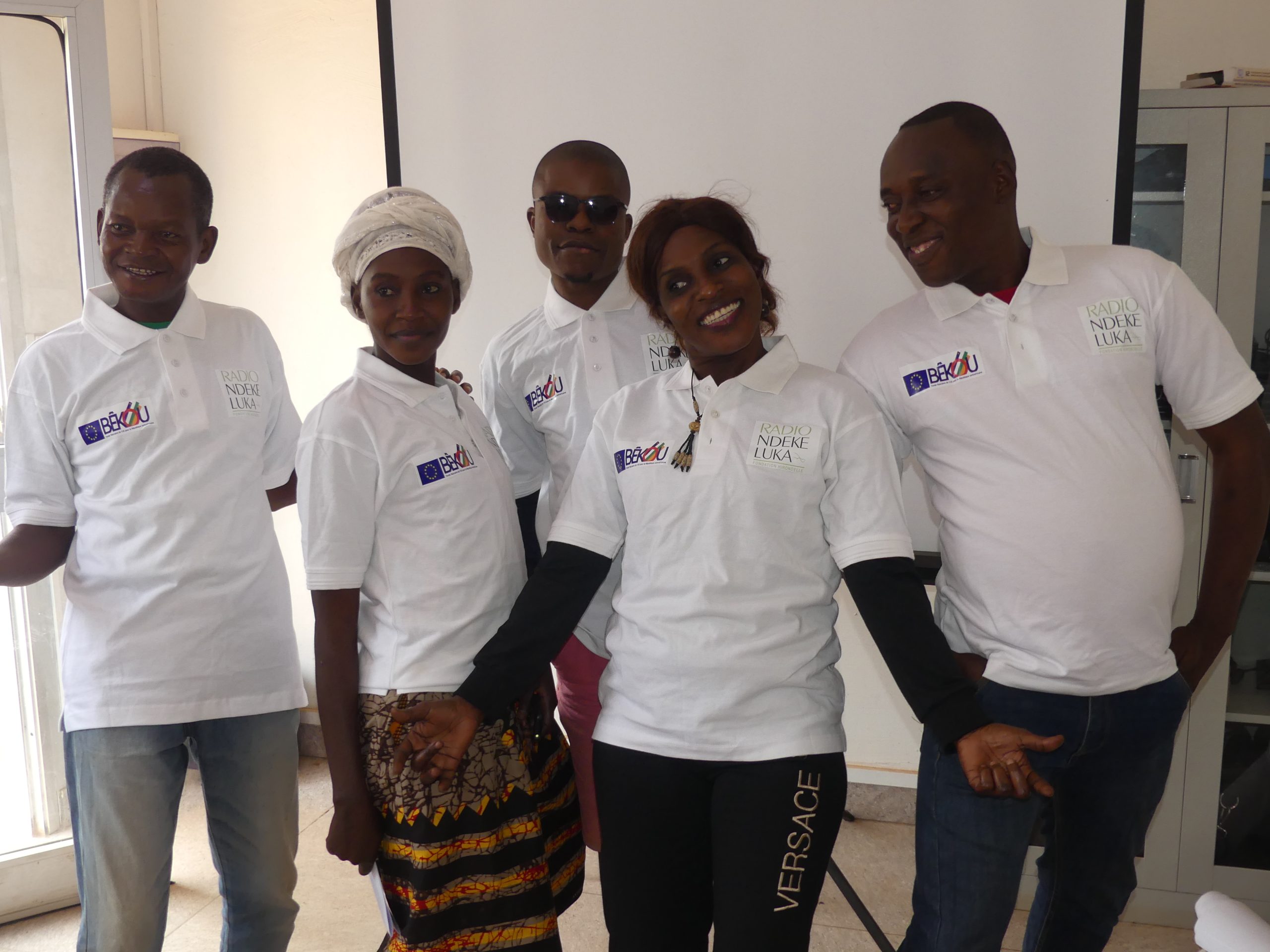
The broader context of care in Centrafrique has been a recurring concern for humanitarian organizations and public health advocates. The nation's healthcare infrastructure, particularly outside major urban centers like Bangui, frequently faces profound challenges related to inadequate funding, severely limited medical supplies, and a critical shortage of trained medical personnel. International bodies and local NGOs have often noted the inherent difficulties in providing essential medical services across the vast and often remote regions of Centrafrique, such as the Ombella-Mpoko prefecture where the quintuplets were born. These challenges are exacerbated by geographical isolation and insufficient transport networks, making timely access to specialized care nearly impossible for many. Efforts by partners like the Fondation Hirondelle, Radio Ndeke Luka, the Direction du développement et de la coopération DDC, and the Union Européenne often focus on supporting media and development initiatives that indirectly advocate for improved public services, including healthcare. However, direct and substantial investments in medical facilities, essential equipment, and the recruitment and training of medical staff remain a critical and pressing need for the country to avert similar tragedies in the future.