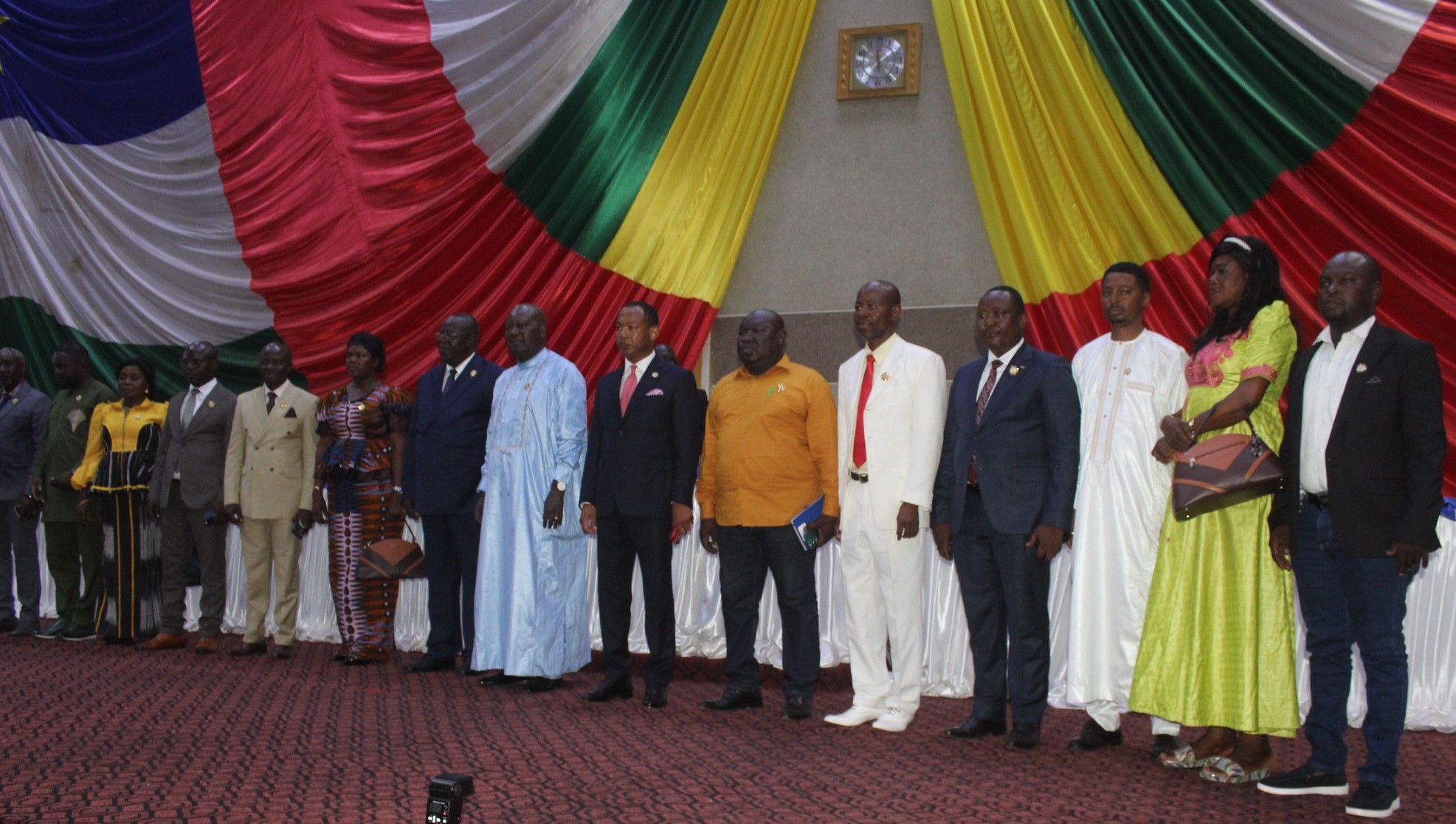
The National Assembly's 8th legislature established its bureau on May 11, 2026, setting the stage for significant political developments in Centrafrique's 7th Republic. This key event marked the formal commencement of legislative proceedings for the new assembly. The establishment of the bureau is a key procedural step, enabling the legislature to organize itself and begin its work effectively. The stakes for the new legislative body were discussed in a chronicle broadcast by Radio Ndeke Luka on May 15, 2026, just days after the bureau's formation. This period marks a critical juncture for the country's governance, as the 8th legislature prepares to address the pressing issues facing the nation. The article itself, a chronicle, specifically delves into these issues and the challenges confronting the 8th legislature, providing an in-depth look at its anticipated role.
Expert Analysis on Legislative Challenges
Thierry Tenguedé, a teacher-researcher, served as the invited guest for the chronicle broadcast by Radio Ndeke Luka. His expertise was central to the discussion, which focused extensively on the legislative challenges facing the National Assembly in Centrafrique's 7th Republic. Tenguedé's insights were presented as part of a series examining the implications of the new legislative body, offering a scholarly perspective on the complex political landscape. His participation showed the academic perspective brought to public discourse on the country's political landscape, enriching the public's understanding of the legislative process. The discussion aimed to provide a deeper understanding of the complexities awaiting the newly formed assembly, emphasizing the critical role it will play in the nation's governance and its future trajectory. The selection of a teacher-researcher like Tenguedé for such a discussion notes a move towards expert-driven analysis in public media regarding governmental functions, ensuring that nuanced perspectives inform public opinion. The chronicle, broadcast on May 15, 2026, aimed to illuminate the path forward for the 8th legislature and the expectations placed upon it.
Context of the 8th Legislature
The National Assembly's 8th legislature in Centrafrique commenced its work following the establishment of its bureau on May 11, 2026. This development set the foundation for legislative proceedings within the country's 7th Republic, formally initiating the new parliamentary session. The establishment of the bureau is a fundamental step in any legislative body, allowing for the election of its leadership and the organization of its committees, thereby enabling it to function. The role and responsibilities of this new legislative body were a focal point of public discourse, with many citizens and observers keen to understand its potential impact. Radio Ndeke Luka, a prominent media outlet operating in Centrafrique, broadcast a chronicle on May 15, 2026, which explored the implications of the newly formed assembly. The broadcast featured Thierry Tenguedé, a teacher-researcher, as an invited guest, offering an expert perspective on the legislative challenges ahead. His participation aimed to provide an academic analysis of the complexities facing the National Assembly, moving beyond simple political commentary to a more structured examination of governance. This period is considered a critical juncture for Centrafrique's governance, with the 8th legislature expected to play a significant role in shaping the nation's political trajectory and addressing its most pressing concerns. The ongoing public and expert discussions show the importance attributed to the assembly's function in the evolving political landscape of the 7th Republic, particularly concerning the stakes involved for the nation's stability and development.
Broader Implications for the Republic
The article serves as a chronicle, specifically discussing the issues confronting the 8th legislature of the National Assembly. This focus notes the legislative body's role in addressing the challenges inherent to Centrafrique's 7th Republic, positioning it as a key institution for national progress. The discourse surrounding these issues shows the broader implications for the nation's governance and political stability, emphasizing how the assembly's actions will resonate throughout the country. The Assembly's capacity to navigate these complexities is seen as central to shaping the country's future trajectory, influencing policy, law-making, and oversight functions. Such chronicles contribute significantly to public understanding of the legislative process and its impact on the republic's ongoing development, fostering informed civic engagement. The discussion of the stakes of the 8th legislature, following the establishment of its bureau, provides key context for understanding the challenges and opportunities that lie ahead for Centrafrique.