This section chronicles the relationship between the National Assembly and the Constitutional Council, focusing on their interactions and the impact on governance in Centrafrique. The article aims to explore the dynamics between these two key institutions within the country's legal and political framework. This chronicle specifically focuses on the intricate relations between the National Assembly and the Constitutional Council, detailing their functions and points of interaction.
Guest's Role and Perspective
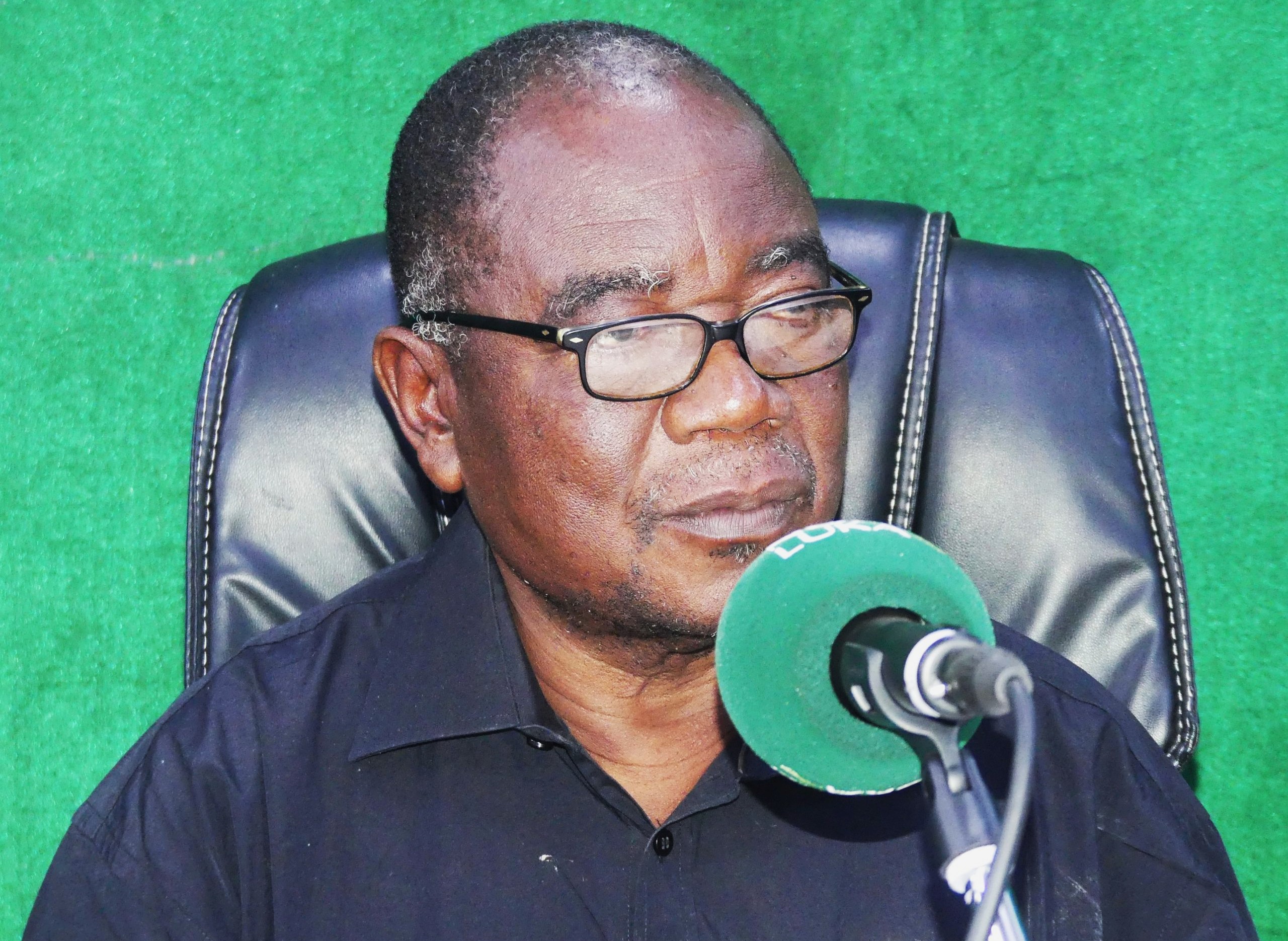
Mathurin Dimbélé-Nakoé, president of the Laws Commission at the National Assembly, serves as a key contributor to the discussion. His perspective is expected to offer insights into the legislative body's views on its relationship with the Constitutional Council. As the head of the Laws Commission, Dimbélé-Nakoé plays a central role in the National Assembly's legislative processes, including the drafting and review of laws that may subsequently be subject to scrutiny by the Constitutional Council. His participation aims to illuminate the practical and constitutional aspects of the interactions between these two significant institutions in Centrafrique. The insights provided by Dimbélé-Nakoé are anticipated to focus on the operational dynamics and potential areas of collaboration or divergence between the National Assembly and the Constitutional Council, providing a vital legislative viewpoint on the checks and balances at play. His position grants him a unique vantage point to discuss the legislative intent behind new laws and the subsequent constitutional review process.
Chronicle of Inter-Branch Dynamics
The relationship between Centrafrique's National Assembly and its Constitutional Council has been a subject of ongoing scrutiny, particularly concerning the delineation of powers and the process of legal review. This dynamic is central to the nation's governance framework, as the legislative body enacts laws that are subsequently subject to constitutional oversight. The National Assembly, responsible for drafting and approving legislation, often sees its work reviewed by the Constitutional Council, which determines the constitutionality of these laws. This ongoing chronicle delves into how these two powerful bodies navigate their respective mandates.
Mathurin Dimbélé-Nakoé, president of the Laws Commission at the National Assembly, has frequently articulated the legislative perspective on this inter-branch interaction. His role places him at the forefront of legislative development, offering insights into how the National Assembly perceives the Constitutional Council's role in the legal process. The Constitutional Council, in turn, acts as a guardian of the constitution, ensuring that all laws align with the fundamental legal texts of Centrafrique. This interaction shows the checks and balances inherent in the country's institutional structure, noting moments of cooperation and, at times, divergence between the two critical bodies. The ongoing dialogue shapes the legal landscape, influencing policy implementation and the broader political environment within Centrafrique. Understanding these relations is key for comprehending the stability and evolution of the nation's legal system.
Key Dates and Developments
A notable date in the ongoing interactions between Centrafrique's National Assembly and the Constitutional Council is September 12, 2026 (12 septembre 2026). This date marks a specific point in the calendar relevant to the constitutional or legislative processes under discussion. While the specific nature of the event or development tied to this date is not detailed, it represents a future milestone within the institutional relationship. Such dates often delineate deadlines for legislative action, constitutional reviews, or the commencement of new legal frameworks. The interplay between these two bodies is fundamental to Centrafrique's governance, with the National Assembly responsible for lawmaking and the Constitutional Council ensuring adherence to the nation's supreme law. Future developments on or around September 12, 2026, could provide further clarity on the evolving dynamics between these key institutions, potentially marking a significant juncture in their collaborative or oversight functions. The anticipation surrounding this date shows the continuous nature of the institutional dialogue and the importance of constitutional adherence.