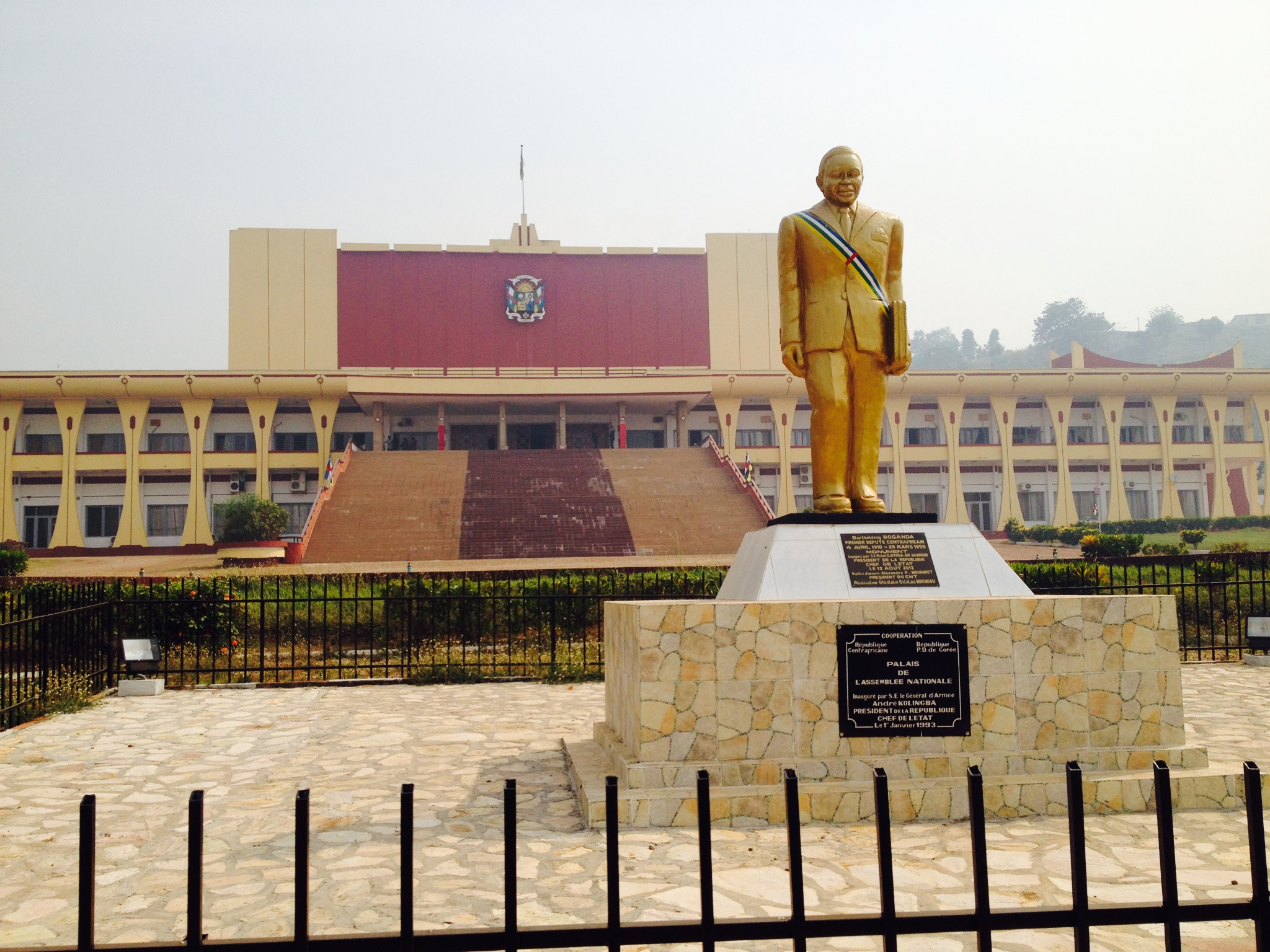
A significant debate has emerged regarding the prohibition of opposition figure Anicet-Georges Dologuélé from exiting the territory of the Central African Republic. The discussion also centers on the subsequent confiscation of Mr. Dologuélé’s diplomatic passport. These actions against the prominent opposition figure have sparked controversy, prompting questions about the executive's influence over legislative processes. The situation has drawn attention to the broader concerns about the National Assembly's role in scrutinizing government decisions in Bangui. Critics have specifically accused the National Assembly of acting as a "chambre d'enregistrement," a term suggesting it merely records or rubber-stamps executive decisions without independent scrutiny or strong debate. This characterization points to a fundamental imbalance in the separation of powers within the nation's governance structure.
Debate Over Travel Ban
The travel ban imposed on opposition figure Anicet-Georges Dologuélé has fueled a broader discussion concerning the National Assembly's role in scrutinizing executive decisions. The measure, which also involved the confiscation of Mr. Dologuélé’s diplomatic passport, has drawn criticism from various quarters. Critics argue that the National Assembly has not adequately challenged the executive’s actions, leading to perceptions of legislative acquiescence. This situation notes ongoing concerns about the separation of powers within the Central African Republic. The controversy specifically centers on whether the legislative body effectively provides checks and balances against the executive or if it largely approves government mandates without strong debate. The incident with Mr. Dologuélé is seen by some as an example of this dynamic, raising questions about the independence of the National Assembly in Bangui. The prohibition of Mr. Dologuélé from leaving the territory and the confiscation of his diplomatic passport are central to the debate, serving as a concrete illustration of the executive's power and the perceived lack of legislative oversight.
Key Figures Attend Assembly
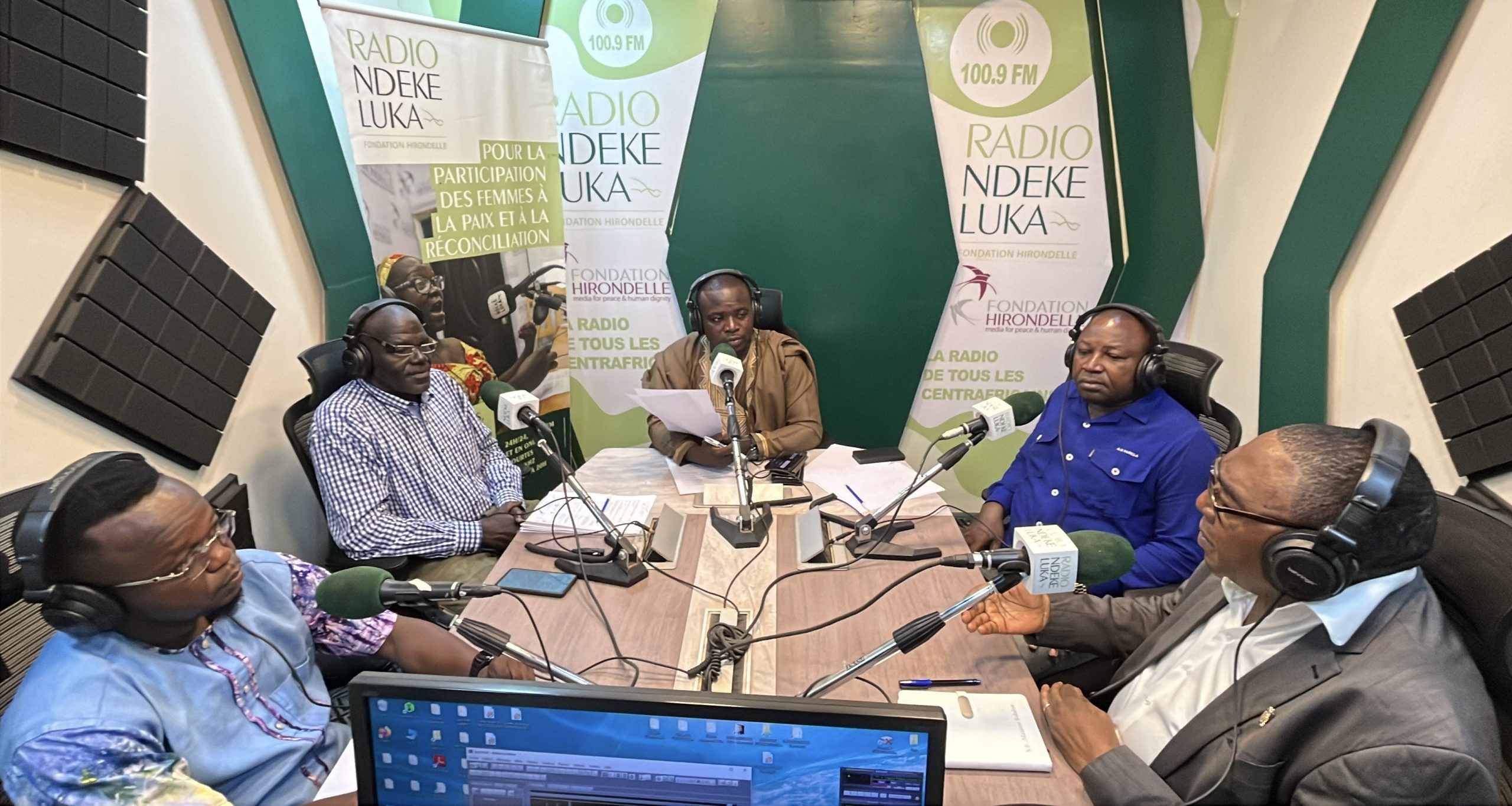
Invited guests participated in the debate concerning the National Assembly's role, bringing diverse perspectives to the forefront of the discussion. Yves Sanghamy, spokesperson for Anicet Georges Dologuélé, was among those present, offering insights directly related to the opposition figure at the heart of the controversy. Also in attendance was Maxime Balalou, the deputy representing the 2nd constituency of the 2nd arrondissement of Bangui, who is also identified as a cadre of the ruling party. His presence provided a perspective from within the governmental structure. Ephrem Masseo, a legal advisor at the Union for Central African Renewal (URCA), also joined the invited guests for the discussion, contributing legal expertise and an opposition viewpoint. Their participation showed the multi-faceted nature of the scrutiny applied to legislative processes within the Central African Republic. The presence of such key figures from various political and legal backgrounds indicates the high-stakes nature of the debate and the widespread interest in the National Assembly's independent functioning.
Accusations of Executive Influence
The National Assembly faces accusations of functioning as a "chambre d'enregistrement," a term implying that it merely records or rubber-stamps executive decisions without independent scrutiny. This characterization suggests a lack of strong legislative oversight and a potential subservience to the executive branch. During the debate concerning the National Assembly's role, invited guests included Alexis Ndui Yabela, who serves as the director of the Prime Minister's cabinet. His presence at the discussion shows the executive's direct involvement in the ongoing dialogue about legislative functions, further fueling concerns among critics about the extent of executive influence. The accusations against the National Assembly highlight concerns among critics regarding the balance of power within the government of the Central African Republic, suggesting that the legislative body may not be fulfilling its constitutional duty to act as a counterweight to the executive. This perceived lack of independence raises questions about democratic accountability and the rule of law.
Broader Political Context
The controversy surrounding Anicet-Georges Dologuélé’s travel ban and the National Assembly’s role notes ongoing discussions about governance in the Central African Republic. Critics suggest the legislative body in Bangui acts as a "chambre d'enregistrement," merely affirming executive mandates rather than critically evaluating them. This situation shows broader concerns regarding the independence and oversight capabilities of the National Assembly. The prohibition of opposition figure Anicet-Georges Dologuélé from leaving the territory and the subsequent confiscation of his diplomatic passport have become emblematic of these wider issues, prompting a national conversation about the true extent of legislative power and its ability to hold the executive accountable. The debate continues to draw significant attention to the delicate balance of power within the Central African Republic's political landscape.