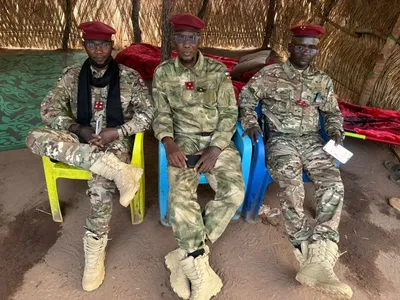
The self-proclaimed general Mahamat Alkhatim, head of the MPC, is facing an open mutiny following his appointment of Ahamat Chaltout as interim chief of staff. Djido Ali, the removed chief of staff, refuses to vacate his position, engaging in an intense power struggle within the hierarchy of the MPC. This internal crisis is fueled by disputes over the control of valuable mining resources located in the Ouham prefecture, a region critical for financial sustenance. The appointment of Ahamat Chaltout has directly triggered this significant challenge to Alkhatim's authority, escalating tensions within the rebel group.
Rebellion Takes Shape
Djido Ali is accompanied by his second, Alhafiz Ali, known as “Libanais,” along with advisors Abdramane MHT, also called Ab Fiyesse, and Said Adam. This faction, which has been described as “Russes noirs” and is reportedly allied with Wagner and Africa Corps mercenaries, has sworn on the Quran to forcibly oppose the new appointment. Their resolve shows the gravity of the internal division. The clan Djido has shifted its strategy from merely threatening defection to actively occupying territory, aiming to block the handover of power to Ahamat Chaltout. This physical occupation demonstrates a clear intent to defy Mahamat Alkhatim's directive. Djido Ali claims to be heavily armed, stating he has recruited Sudanese fighters during his involvement with the FSR rebellion and is prepared for direct confrontation should the situation demand it. This claim adds a layer of potential violence to the ongoing standoff, raising concerns about the stability of the region and the future of the MPC. The faction's alliance with foreign mercenary groups further complicates the dynamics of this internal conflict, suggesting broader implications beyond the immediate power struggle.
Resource Control Dispute
Djido Ali has effectively severed financial circuits to the MPC command in Ndjamena by controlling key gold and diamond sites. These sites are key for generating revenue that sustains the organization's operations and leadership. As a direct consequence of this control, no money transfers are reaching MPC leader Mahamat Alkhatim, a situation that has severely diminished his visibility and influence within the organization. This financial strangulation is a powerful tactic, undermining Alkhatim's ability to maintain control and command loyalty. Djido Ali has openly defied Alkhatim's authority by publicly asserting his involvement in operations for Africa Corps, an act that not only challenges his leader's position but also notes his independent operational capacity and external alliances. This defiance shows the depth of the rift and Djido Ali's determination to operate outside Alkhatim's direct command. The control over these lucrative mining resources provides Djido Ali with significant leverage, allowing him to challenge the established hierarchy from a position of strength.
Internal Fracture Fears
The MPC faces an imminent internal fracture, with high tension fueling fears of a bloody battle for control between the rival factions. The ongoing power struggle between Mahamat Alkhatim and Djido Ali has created significant instability within the organization, threatening its very cohesion. Sources indicate that the division over leadership and resource management has reached a critical point, suggesting a potential for violent confrontation that could have devastating consequences. The faction led by Djido Ali, which controls key mining sites and boasts external alliances, continues to challenge Alkhatim's authority, exacerbating the internal unrest. This escalating dispute threatens the cohesion of the MPC amidst its broader operational activities, potentially weakening its overall standing and effectiveness. The prospect of a violent clash between heavily armed groups within the MPC leadership raises serious concerns for the future direction and operational capabilities of the organization, as well as for regional stability.