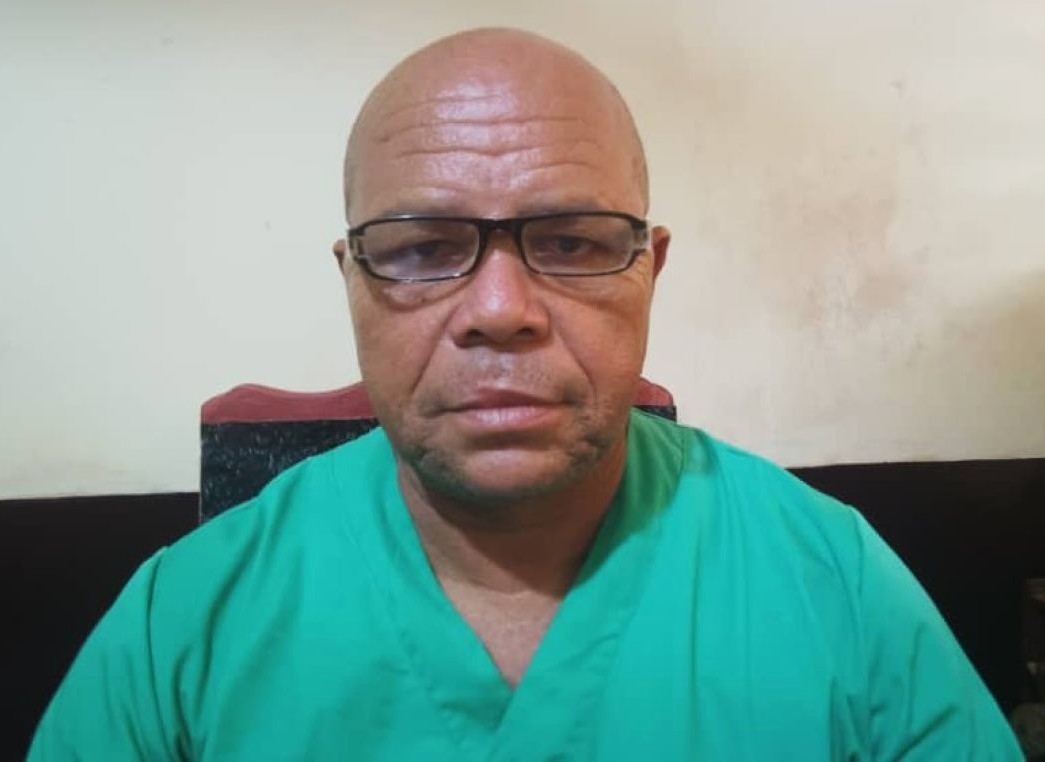
Mahamat Alkhatim, head of the Mouvement Patriotique pour la Centrafrique (MPC), announced the dismissal of the MPC's Chief of Staff, Djido Ali, on May 1, 2026, in Ndjamena. The announcement, made via a communiqué signed by Mahamat Alkhatim, formalized the departure of Djido Ali from his leadership role. General Alkhatim Mahamat signed communiqué Decision n° 0027/5/06, effecting the dismissal. Authorities reproached Alkhatim Mahamat for complaining to Russian mercenaries against Chadian forces following an incident near Markounda. The MPC leader stated that Djido Ali's actions made the decision to dismiss him "inevitable."
Roots of the Conflict
The Mouvement Patriotique pour la Centrafrique (MPC) was established around 2013-2014 by Alkhatim Mahamat, who hails from Chad and is of Chadian origin. The MPC, as part of the wider Coalition des Patriotes pour le Changement (CPC), attempted to seize Bangui in 2021 but was unsuccessful. Following the CPC's failure to take the capital, key decisions regarding the coalition's future were made in Luanda. This period marked a significant turning point for the rebel coalition after its failed offensive.
In January 2025, the Communauté de Sant’Egidio facilitated a peace agreement between the MPC and the Central African government. This agreement aimed to bring stability to the region, yet challenges persisted. Despite this agreement, some MPC fighters have been involved in exploiting gold and diamonds within the Ouham mining areas, indicating continued illicit economic activities. Additionally, certain MPC fighters were absorbed by Africa Corps, an entity described as Central African auxiliaries working for Russian forces, further complicating the security landscape. Alkhatim Mahamat had appointed Djido Ali, a Sudanese rebel, to lead the MPC's general staff, integrating him into the organization's leadership structure and entrusting him with significant command responsibilities. Djido Ali arrived with his own fighters, loyal to him personally, which would later become a critical factor in the internal dynamics of the MPC.
The Markounda Incident
The incident prompting the dismissal began when Chadian soldiers surprised former Mouvement Patriotique pour la Centrafrique (MPC) combatants committing exactions on civilians in the Markounda area. These ex-MPC combatants were engaged in illicit activities, including extortion and violence against the local populace. The Chadian forces disarmed these ex-combatants, according to reports, in an effort to restore order and protect civilians. Following this disarmament, Djido Ali, then MPC Chief of Staff, traveled to Bossangoa to lodge a complaint with Wagner mercenaries regarding the actions of the Chadian soldiers. His decision to bypass his own leadership and directly approach foreign forces for intervention showed a growing rift.
Wagner then relayed Djido Ali's complaint, which subsequently reached Chadian military authorities. This communication channel bypassed official MPC leadership and directly involved external actors in an internal matter. In response, Chadian military authorities summoned MPC leader Alkhatim Mahamat to address the matter, placing him in an awkward position regarding his Chief of Staff's unauthorized actions. At the time of the incident, mixed Chadian-RCA patrols were operating in the Markounda area as part of ongoing security efforts, indicating a coordinated presence aimed at maintaining peace and security. Alkhatim Mahamat later stated he was unaware that his Chief of Staff had complained to Russian forces without his knowledge or approval, noting a significant breakdown in communication and command within the MPC. The decision announcing Djido Ali's dismissal was formally transmitted to several key entities, including the guarantor of the Ndjamena Accord, the Central African government, Russian allies, MINUSCA, and the MPC archives for official record-keeping, ensuring broad awareness of the leadership change.
Djido Ali's Defiance
Djido Ali arrived with his own fighters, who were reportedly loyal to him personally. Following the disarmament of former Mouvement Patriotique pour la Centrafrique (MPC) combatants by mixed forces in the Markounda area, Djido Ali declared the action unacceptable and demanded the return of the weapons. He publicly stated that the disarmament by mixed forces was unacceptable, asserting his authority and challenging the actions of the security forces. During this period, Djido Ali reportedly ignored attempts by MPC leader Alkhatim Mahamat to contact him, further demonstrating his insubordination and independent course of action.
Djido Ali then publicly asserted that a significant portion of MPC fighters showed personal loyalty to him rather than to Alkhatim Mahamat, directly undermining the authority of the MPC head. He subsequently announced his intention to depart from the MPC, taking his men to directly join Africa Corps, signaling a complete break from the organization. This defiance, coupled with his unauthorized complaint to Russian mercenaries and his declared shift in allegiance, contributed significantly to the decision regarding his dismissal from the MPC, making it, as Alkhatim Mahamat stated, "inevitable."