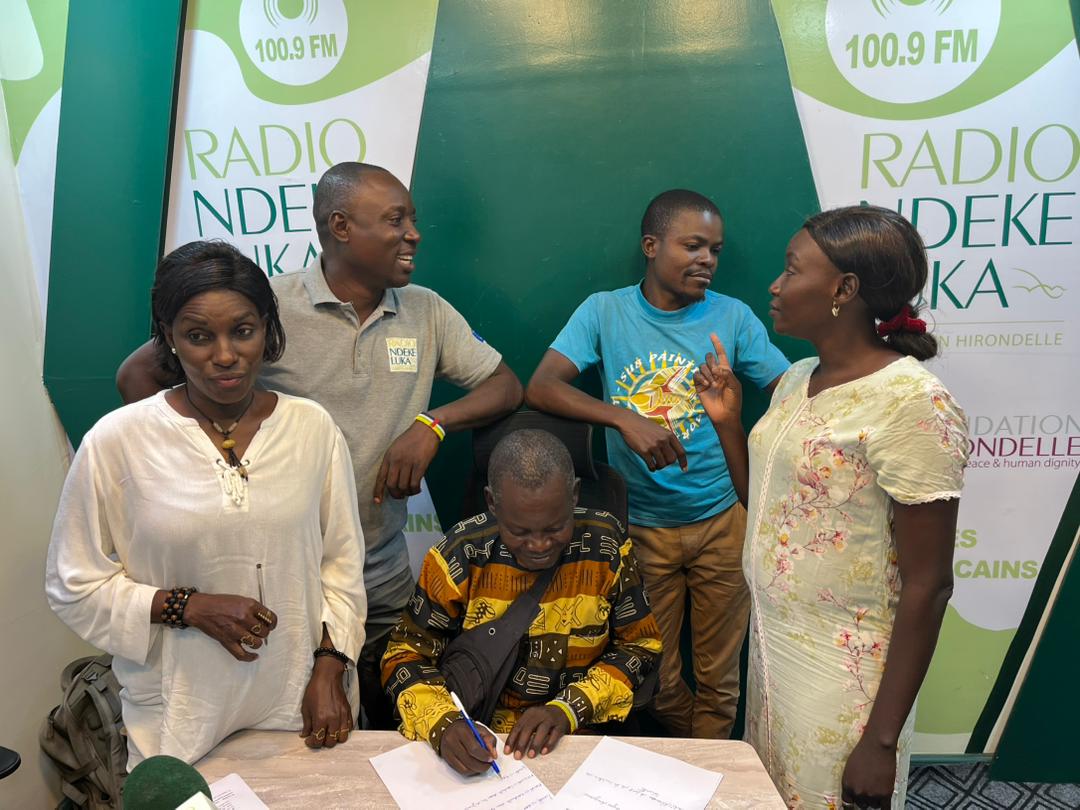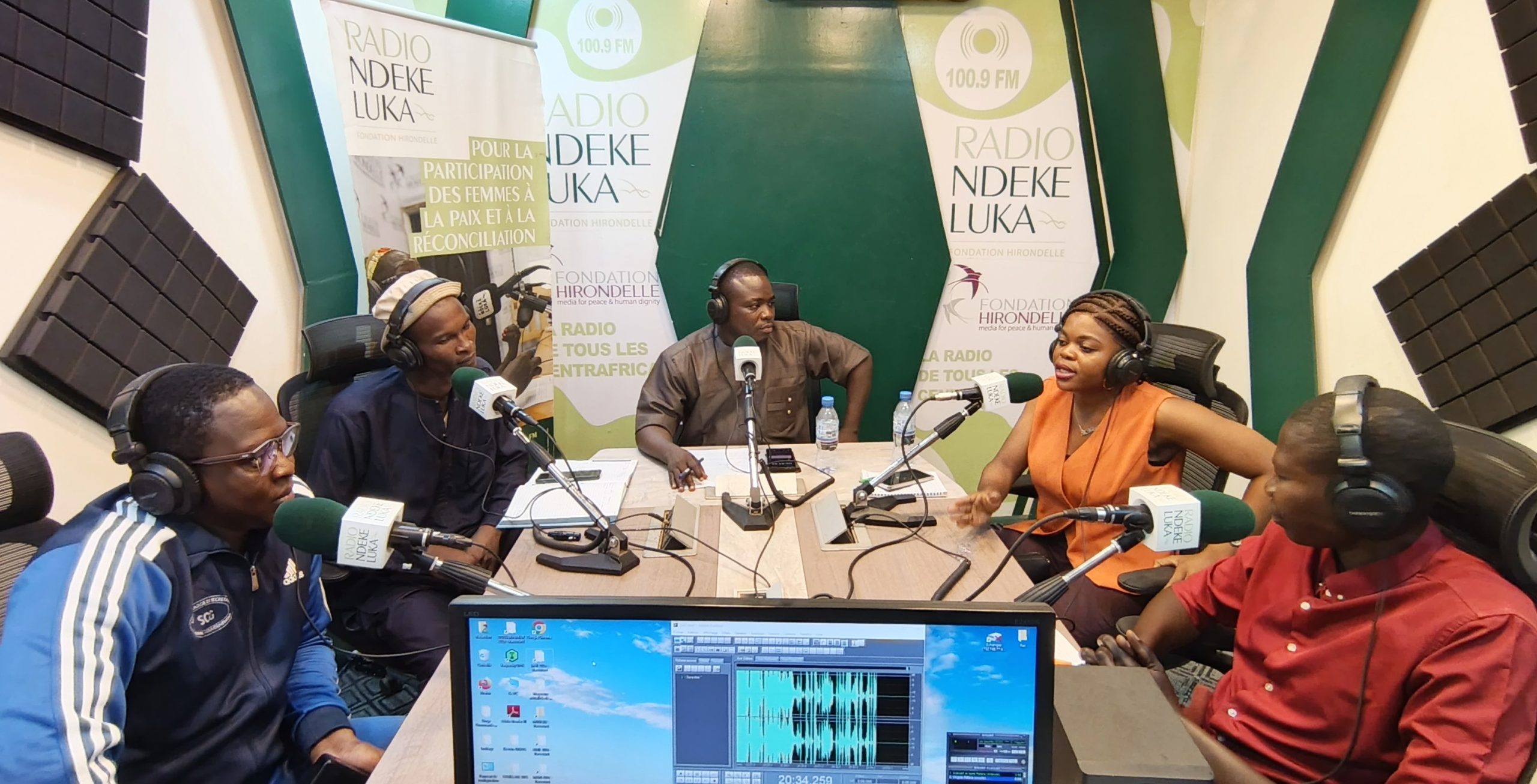
Radio Ndeke Luka dedicated a special broadcast to the formation of the new government, referred to as "Moloua 3," on May 23, 2026. This full coverage, supported by the Fondation Hirondelle and the Journalism Trust Initiative with funding from the Union Européenne, aimed to analyze the implications of the new administration in Centrafrique. The special broadcast was specifically dedicated to scrutinizing the recent governmental changes. It explored whether the new government represents genuine change or a staged political event, providing in-depth reporting for listeners throughout Centrafrique. The program offered a critical examination of the composition and potential impact of the Moloua 3 administration on the nation's political and social landscape.
Key Figures and Roles
Guests on the Radio Ndeke Luka broadcast included Elysée Nguimalé, Steeve Bendo-Ndeni, Arletta Mamboui, and William Ndjapou. These individuals were invited to share their diverse perspectives and expertise on the newly formed Moloua 3 government. Mr. Nguimalé serves as the coordinator for the Observatory for Democratic Governance in Central Africa, bringing an institutional and analytical viewpoint to the discussion. Steeve Bendo-Ndeni participated as an observer of sociopolitical life, offering his insights during the discussion based on his close monitoring of national developments. Arletta Mamboui, a politician and activist involved in sociopolitical life, also contributed to the broadcast, providing a perspective rooted in direct political engagement and advocacy. William Ndjapou, the legal advisor to the President of the Republic, provided his perspective on the new government's formation, representing an official viewpoint. These individuals offered various viewpoints on the Moloua 3 administration in Centrafrique, enriching the debate with their respective backgrounds and analyses.
Analyzing the New Government
The formation of the Moloua 3 government in Centrafrique has prompted varied reactions and analyses from political observers and public figures. Elysée Nguimalé, coordinator for the Observatory for Democratic Governance in Central Africa, offered his perspective on the new administration, delving into its structure and potential governance strategies. Steeve Bendo-Ndeni, an observer of sociopolitical life, also weighed in on the developments, contributing to the public discourse by analyzing the broader societal implications of the changes. His observations provided context on how the government's formation might resonate with the general populace.
Politician and activist Arletta Mamboui provided her insights into the Moloua 3 government's potential impact on Centrafrique, particularly concerning civil society and democratic processes. Her experience as a politician and activist offered a critical lens on the government's stated objectives versus its practical implementation. William Ndjapou, the legal advisor to the President of the Republic, presented the official viewpoint regarding the government's establishment, explaining the rationale behind its formation and its intended mandate. Armando Yanguendji, a former Minister, also commented on the composition and implications of the new cabinet. His remarks noted specific aspects of the governmental structure and the allocation of portfolios, drawing on his past experience within government. The discussions surrounding the Moloua 3 government emphasize ongoing scrutiny regarding its mandate and future direction in the country, with many questions raised about its capacity to deliver on its promises.
Broader Implications and Questions
The formation of the Moloua 3 government in Centrafrique has prompted widespread discussion regarding its potential impact on the nation's political landscape and future trajectory. Observers are scrutinizing whether the new administration signals a genuine shift in governance or represents a continuity of existing political dynamics. The discussions on Radio Ndeke Luka, supported by the Fondation Hirondelle and the Journalism Trust Initiative with Union Européenne funding, noted these varied perspectives, ensuring a full review for its listeners. The broadcast aimed to provide a platform for informed debate on the critical issues facing Centrafrique following this governmental change.
Experts and public figures, including Elysée Nguimalé from the Observatory for Democratic Governance in Central Africa, have offered their analyses, contributing to the debate on the government's transparency and effectiveness. Steeve Bendo-Ndeni, an observer of sociopolitical life, and politician Arletta Mamboui have also voiced their insights into what the new government could mean for Centrafrique, particularly for its citizens and political stability. The legal advisor to the President of the Republic, William Ndjapou, has provided the official stance on the government's establishment, outlining its constitutional basis and objectives. The Moloua 3 administration thus faces ongoing questions about its mandate and capacity to address the country's challenges, with the public and political observers keenly watching its initial actions and policy directions.