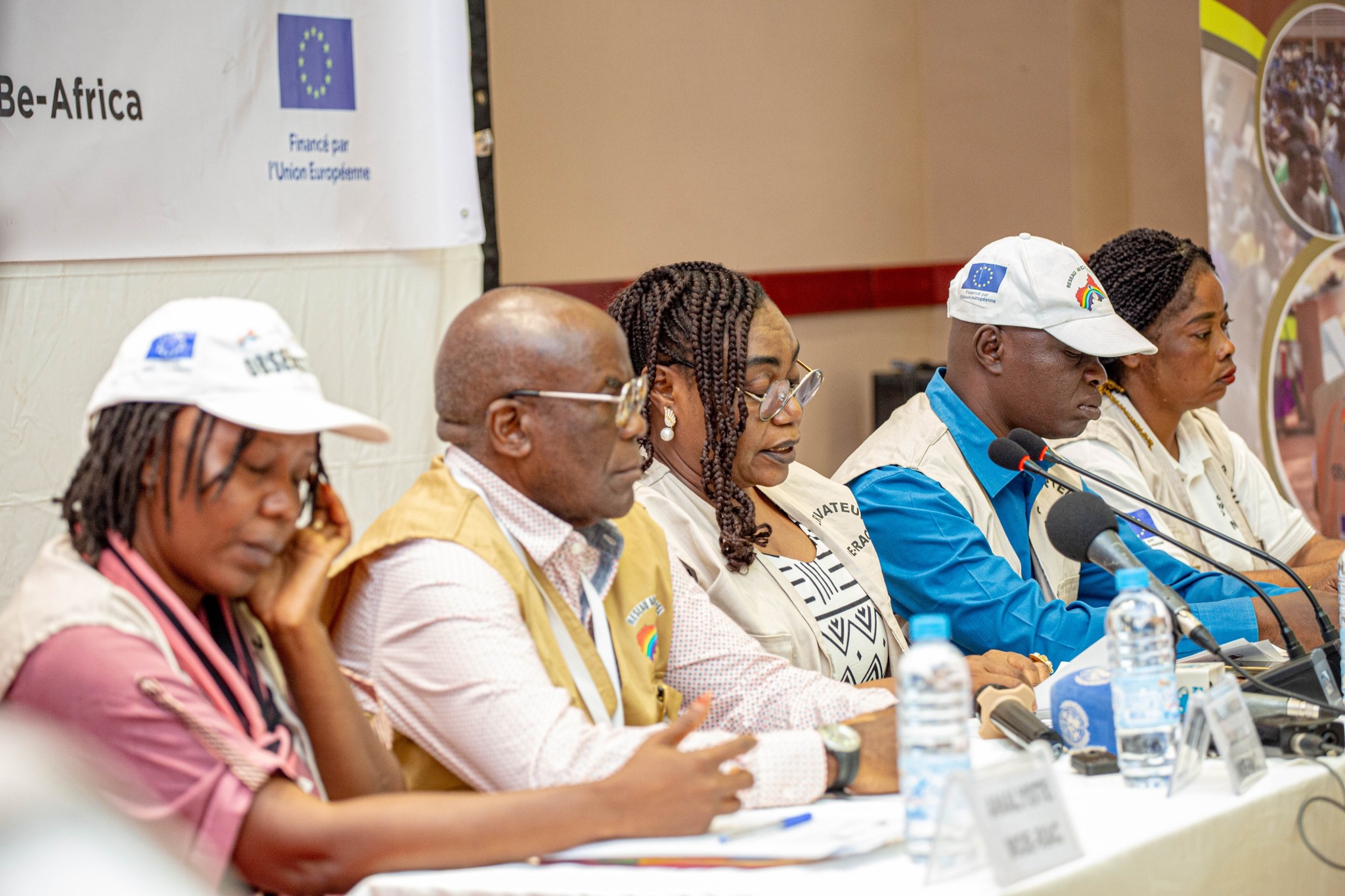
The Mission d’observation électorale du Réseau Arc-en-ciel (MOE-RAC) recently released its full assessment and a series of detailed recommendations following the partial elections and second round of legislative elections held on April 26 in Centrafrique. The report was officially presented during a public event in Bangui, the capital, where the observer mission meticulously detailed its findings and proposed improvements. This significant evaluation comes as part of MOE-RAC's ongoing commitment to monitoring electoral processes across the region, aiming to foster greater transparency and strengthen democratic institutions. The mission's work is key for ensuring that electoral events are conducted fairly and efficiently, providing valuable insights for all involved parties.
Election Overview
The Mission d’observation électorale du Réseau Arc-en-ciel (MOE-RAC) presented its detailed findings on the partial elections and second round of legislative elections, which were successfully conducted in Centrafrique on April 26. The observer mission delivered its full assessment and a set of actionable recommendations during a well-attended event in Bangui, drawing attention to the critical aspects of the electoral process. MOE-RAC’s report evaluates the entire electoral process from various perspectives, aiming to provide a full overview of both successes and areas requiring improvement. The organization’s vital work in Centrafrique is made possible through the generous support of the Direction du développement et de la coopération DDC and the Union Européenne, noting international commitment to democratic development in the country. Additional backing for MOE-RAC's activities comes from the Fondation Hirondelle, an organization renowned for its support of independent media, which also supports Radio Ndeke Luka. This report forms a key part of MOE-RAC's broader mandate to observe and assess elections across the region, actively contributing to the promotion of transparency, accountability, and the integrity of democratic processes.
MOE-RAC's Findings
The Mission d’observation électorale du Réseau Arc-en-ciel (MOE-RAC) presented its full assessment and recommendations concerning the partial elections and second round of legislative elections, which took place in Centrafrique on April 26. The observer mission delivered its findings during an official event in Bangui, outlining the observations gathered by its teams on the ground. MOE-RAC’s report thoroughly evaluates the electoral process, aiming to provide a detailed overview of the proceedings, from voter registration and campaigning to polling day operations and the tabulation of results. The organization’s work in Centrafrique receives essential support from the Direction du développement et de la coopération DDC and the Union Européenne, showing the collaborative effort to enhance electoral standards. Additional backing comes from the Fondation Hirondelle, which also plays a significant role in supporting independent media like Radio Ndeke Luka, thereby contributing to informed public discourse. This report forms part of MOE-RAC's broader mandate to observe and assess elections across the region, actively contributing to transparency and accountability in democratic processes. The mission's findings are specifically intended to assist in refining future electoral operations, ensuring that lessons learned are applied effectively.
Recommendations for Improvement
The Mission d’observation électorale du Réseau Arc-en-ciel (MOE-RAC) has put forward a series of carefully considered recommendations aimed at significantly enhancing the integrity and efficiency of future electoral processes in Centrafrique. These recommendations are made to all stakeholders in the process, including electoral bodies, political parties, civil society organizations, and government entities, with the explicit goal of improving future electoral events. The observer mission emphasized that the suggestions are meticulously designed to improve the conduct and outcome of upcoming elections, ensuring a more transparent, equitable, and credible democratic exercise for all citizens. The report, presented in Bangui, outlines specific areas where reforms could be implemented to address observed shortcomings and challenges during the recent partial elections and second round of legislative elections. MOE-RAC's overarching objective is to foster a more strong and resilient electoral framework through continuous improvement and dedicated collaboration among all parties involved in the democratic life of the nation. The mission showed the critical importance of these collaborative efforts for strengthening democratic institutions in the country and building public trust in the electoral system.