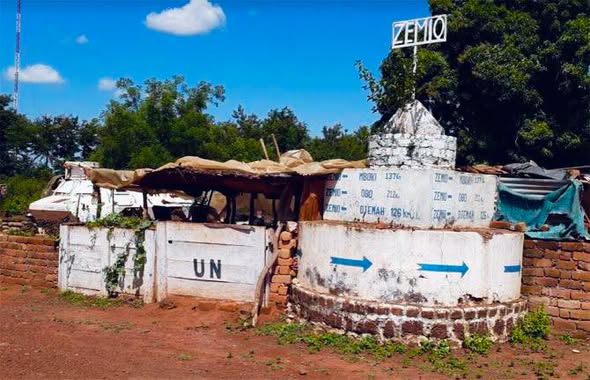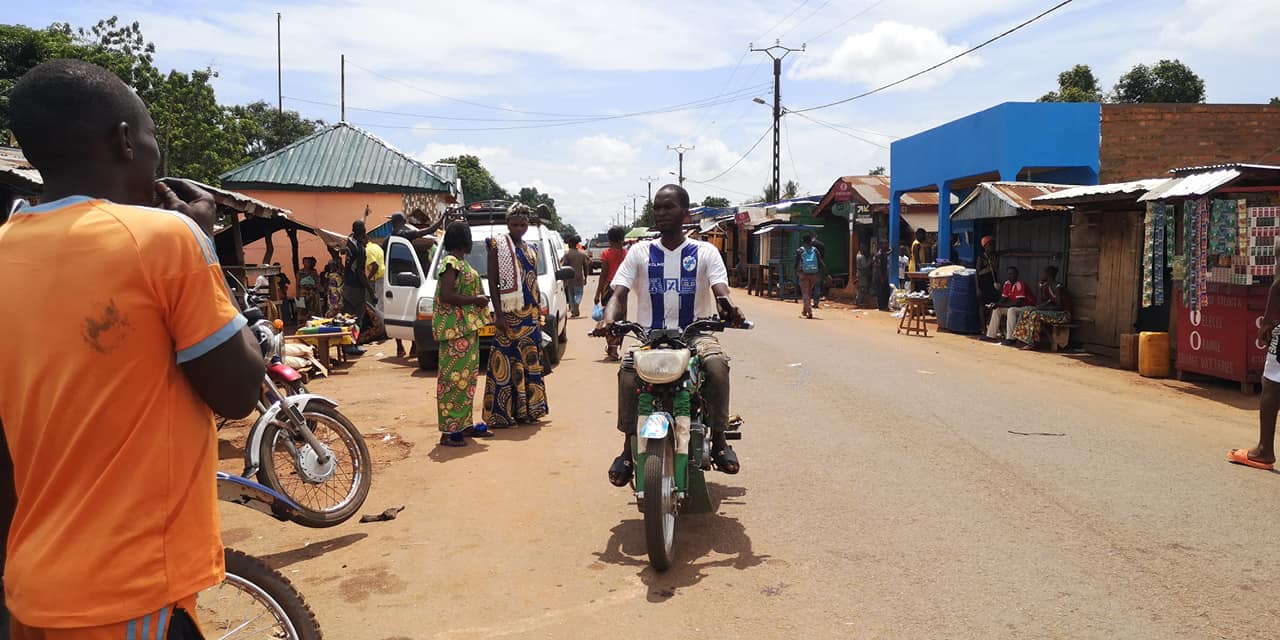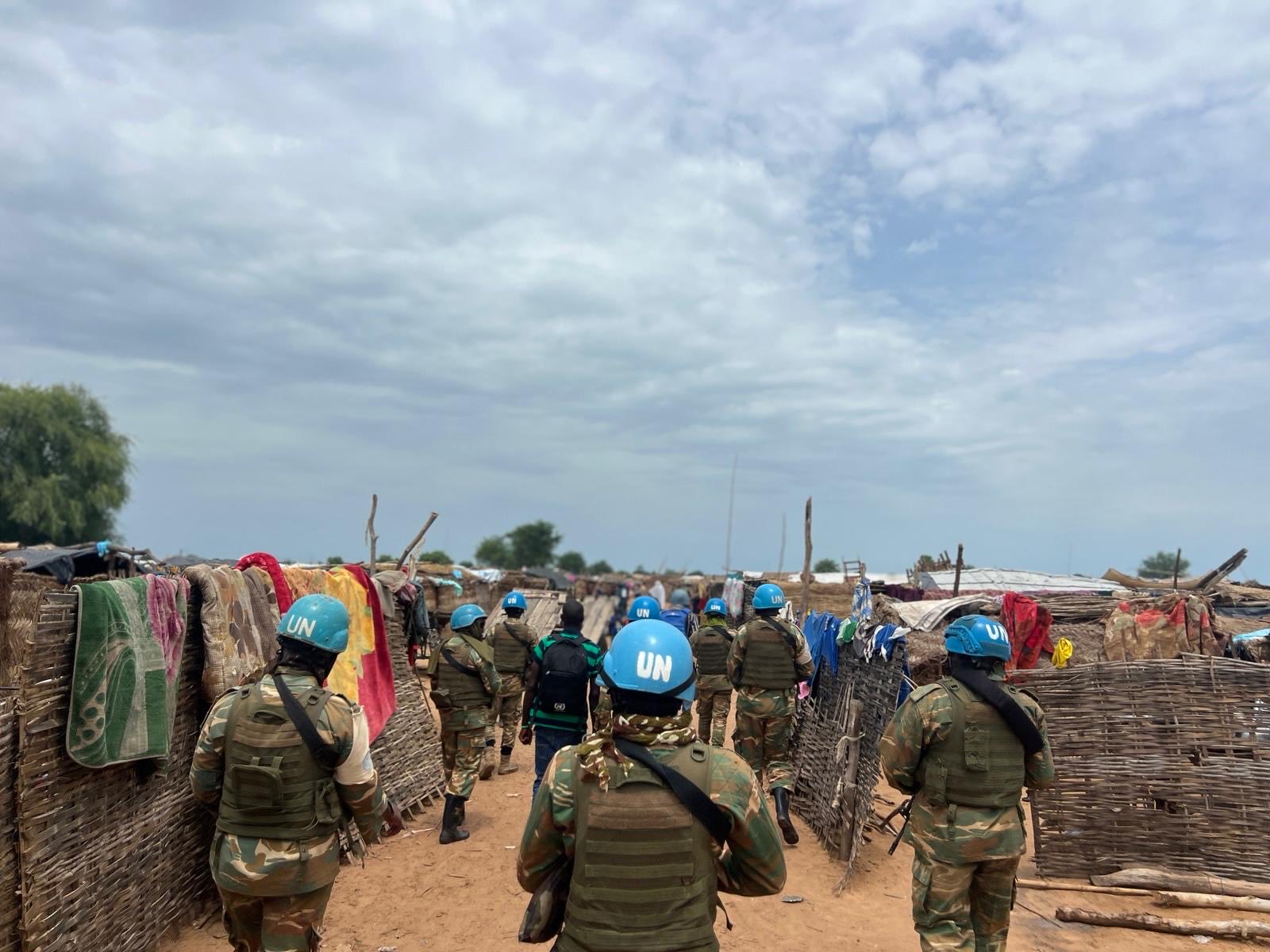
Rapid intervention forces from the Multidimensional Integrated Stabilization Mission in the Central African Republic (MINUSCA) have deployed to Birao in Vakaga prefecture since Sunday, reinforcing security following armed violence that occurred on June 30 in Am-Dafock. The deployment aims to stabilize the area after the recent unrest, which has significantly impacted local populations. This swift action by MINUSCA shows the mission's commitment to protecting civilians and restoring stability in conflict-affected regions of the Central African Republic. The presence of these forces is key for deterring further aggression and ensuring the safety of residents.
Humanitarian Crisis Deepens
Over 11,000 individuals are displaced in Am-Dafock, with an additional 2,000 displaced in Birao, according to figures released by the UN Office for the Coordination of Humanitarian Affairs (OCHA). This displacement shows the escalating humanitarian needs in the affected areas, creating a dire situation for thousands of vulnerable people. The violence on June 30 in Am-Dafock directly led to this mass displacement, forcing families to flee their homes in search of safety. The figures provided by OCHA highlight the urgent requirement for sustained humanitarian assistance and protection for those uprooted by the conflict. The influx of displaced persons into Birao also places additional strain on local resources and infrastructure.
MINUSCA has actively supported humanitarian efforts by facilitating the transportation of aid teams and ensuring their safe movement. Recognizing the critical need for immediate relief, MINUSCA also enabled the delivery of more than three tons of essential supplies. These supplies included medicine, medical equipment, emergency kits, and WASH (Water, Sanitation, and Hygiene) related equipment, vital for addressing the immediate needs of the displaced populations. The mission's logistical support has been instrumental in allowing humanitarian partners to reach those most in need in challenging security environments. This ongoing assistance is a cornerstone of MINUSCA's mandate to protect civilians and support recovery.
Security Reinforcements Arrive
The Multidimensional Integrated Stabilization Mission in the Central African Republic (MINUSCA) announced on July 15 in Bangui that it had reinforced its military presence in Birao. The mission also confirmed its commitment to continuing humanitarian assistance for populations affected by the recent violence. This deployment follows the retaking of Am-Dafock by the Central African Armed Forces (FACA), which received support from their Russian allies. The reinforcement aims to stabilize the security situation in Vakaga prefecture and ensure the safety of residents and humanitarian operations. MINUSCA's announcement emphasized the dual focus on security and the ongoing provision of aid to those displaced by the unrest. The arrival of rapid intervention forces in Birao since Sunday, prior to the July 15 announcement, was a proactive measure to enhance security in the region. This strategic reinforcement is designed to create a more secure environment, allowing humanitarian actors to operate effectively and safely deliver aid to the affected communities.
MINUSCA's Ongoing Support
The attack on Am-Dafock on June 30 resulted in nearly thirty deaths and several injured, according to local authorities. This tragic incident prompted a swift response from humanitarian organizations and the United Nations peacekeeping mission. An additional 1.5 tons of aid has arrived in Birao and will be dispatched to Am-Dafock in the coming hours, further supporting relief efforts for those affected by the recent violence. This latest consignment builds on previous deliveries facilitated by the mission. MINUSCA has been actively involved in humanitarian operations, ensuring the safe transport of aid teams and essential supplies to vulnerable populations. The ongoing assistance aims to address the critical needs of displaced individuals and communities impacted by the unrest in Vakaga prefecture, providing life-saving resources and fostering a pathway towards recovery and stability. The mission continues to monitor the situation closely to adapt its response as humanitarian needs evolve.