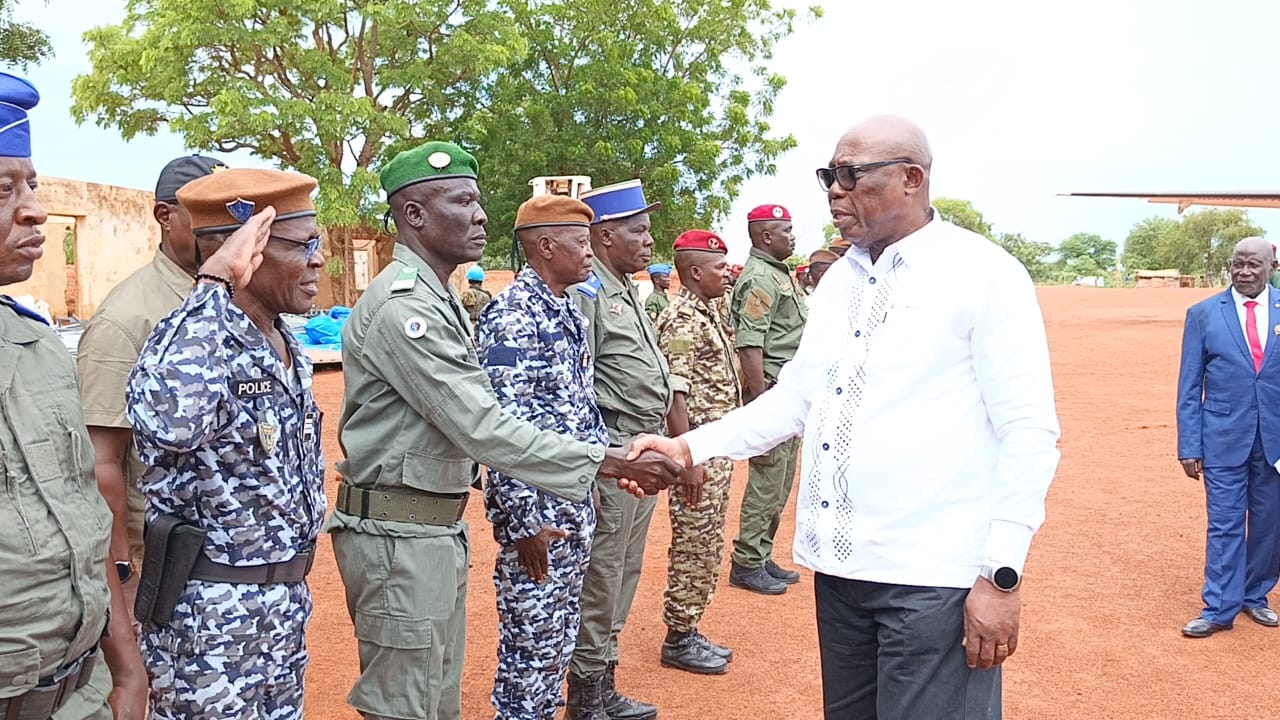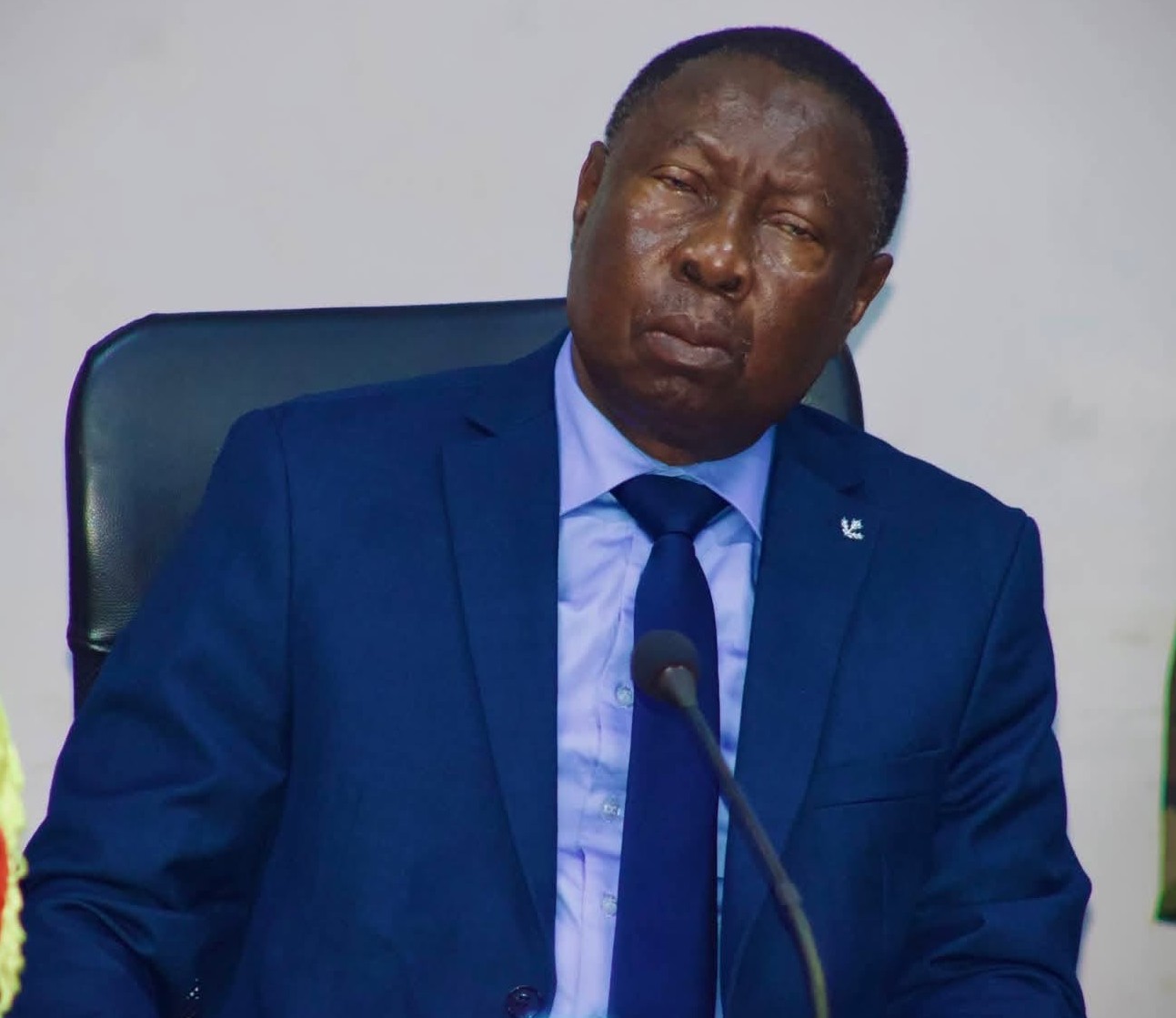
A government mission was conducted in Boali, Ombella-Mpoko, where the Minister of Territorial Administration, Bruno Yapandé, reported community tensions. The minister’s statement followed the team's assessment of local conditions, showing the critical need for intervention in the area. Mr. Yapandé noted the presence of underlying friction among residents in the area during his remarks, indicating a situation that required immediate and focused attention from governmental authorities. The findings from this mission are expected to guide future strategies aimed at fostering peace and stability within the region.
Appeasing Community Tensions
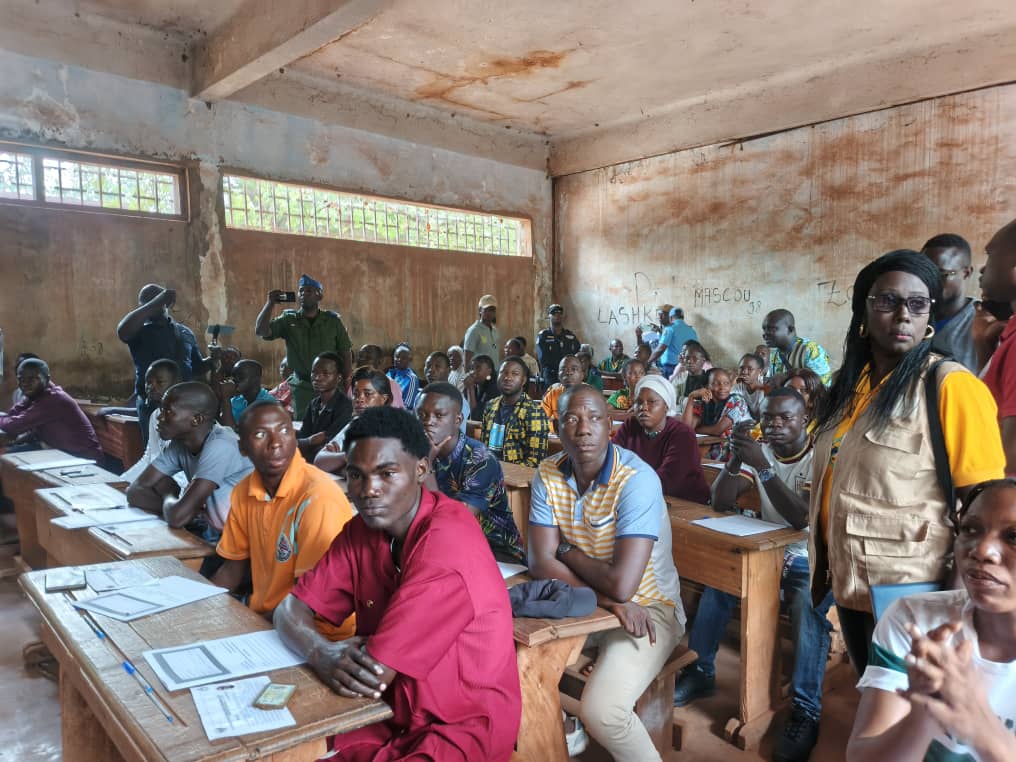
The government mission to Boali aimed to appease tensions between different communities in the area, a primary objective set forth by the administration. Minister of Territorial Administration, Bruno Yapandé, had previously noted underlying friction among residents during the team's assessment in Ombella-Mpoko, signaling the growing instability. The objective of the mission was to address these reported communal strains directly, seeking to foster dialogue and stability among the diverse groups inhabiting Boali. Officials involved in the mission engaged with various community representatives in an effort to understand the sources of discord and propose pathways for resolution. This direct engagement was key in gathering firsthand accounts and perceptions from those most affected by the tensions. The initiative shows the government's commitment to mitigating local conflicts and restoring social cohesion in Centrafrique, recognizing the importance of community harmony for national development. Further details regarding the specific actions taken to ease these tensions are expected to be released following the mission's full report, which will outline the strategies and recommendations for sustained peace.
Minister's Assessment of Harmony
The Minister of Territorial Administration, Bruno Yapandé, stated that events in Boali had brought the region close to widespread conflict, using strong language to convey the gravity of the situation. His assessment noted the severity of the situation observed during the government mission to Ombella-Mpoko, indicating that the tensions were significant enough to nearly ignite broader instability. Indeed, Mr. Yapandé specifically noted that the events in Boali almost set the region ablaze, emphasizing the precarious state of affairs prior to the mission's intervention. The minister's remarks showed concerns about the potential for localized issues to escalate into more extensive unrest across the area, posing a significant threat to regional stability. The government mission aimed to address these critical tensions and prevent further deterioration of community relations in Boali, acting as a preventative measure against broader conflict. The minister's report emphasized the precarious nature of the situation, suggesting that concerted efforts were necessary to maintain peace and stability following the mission's intervention and to prevent a recurrence of such dangerous levels of discord.
Broader Context and Implications
The government's intervention in Boali, Ombella-Mpoko, reflects broader concerns about community stability in Centrafrique, a nation striving for lasting peace. Minister of Territorial Administration, Bruno Yapandé, explicitly stated that the situation in Boali had neared widespread conflict, showing the delicate balance required to maintain peace and order across the country. The mission's objective was to directly address the reported communal strains, aiming to prevent escalation and ensure the safety and well-being of residents. Such efforts are part of a wider strategy by the government to mitigate local conflicts and foster social cohesion across the nation, recognizing that localized issues can have broad consequences. The assessment by Mr. Yapandé notes the potential for localized issues to ignite broader instability, making early intervention critical. Continued monitoring and engagement with community representatives are anticipated to be key in sustaining any progress made by the mission, ensuring that dialogue and understanding prevail. The outcomes in Boali could inform future governmental approaches to similar tensions in other regions, providing a valuable case study for conflict resolution and community building initiatives within Centrafrique.