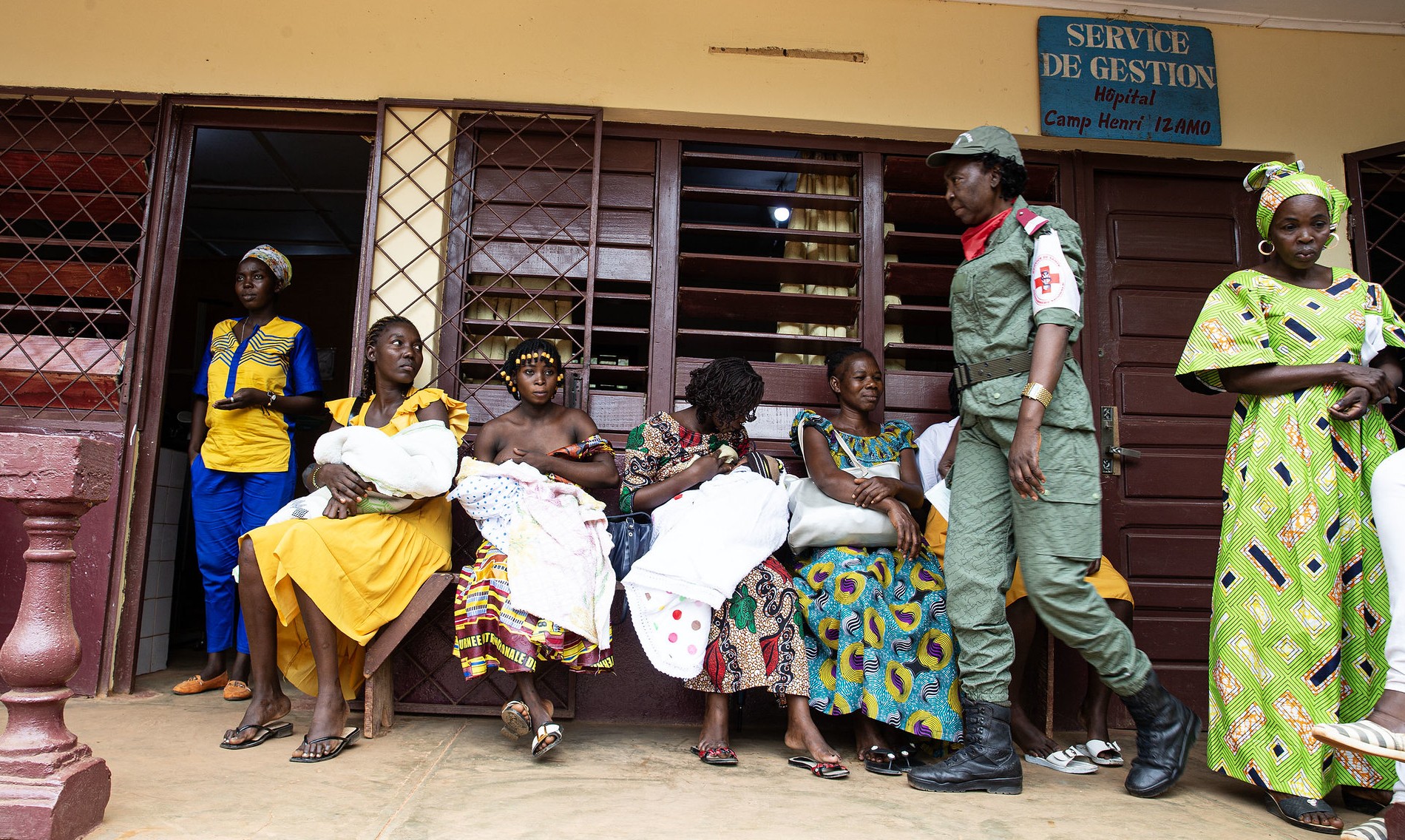
Medical care at the maternity ward of the Henri Izamo camp in Bangui is currently under scrutiny, with reports indicating that military discipline significantly influences both patient treatment protocols and the overall operations of the facility. This unique approach to healthcare delivery, particularly within a military installation, has drawn attention from observers. The camp's maternity services, located in the Central African Republic's capital, are described as operating under specific regulations governing patient conduct, the behavior of medical staff, and the administrative processes inherent to a military environment. This integration of military principles into a healthcare setting raises pertinent questions about its potential impact on civilian patients, especially pregnant women and new mothers seeking essential care. The environment at Henri Izamo camp's maternity unit therefore presents a distinctive intersection of medical provision and structured military oversight, where traditional healthcare practices are adapted to a disciplined framework. The nature of this operational model is a key point of ongoing discussion regarding its effectiveness and implications for patient welfare.
Military Structure and Oversight
The maternity ward at Camp Henri Izamo operates under a distinctly military structure, according to various reports detailing its functioning. This foundational framework dictates numerous aspects of its daily operations, extending from the methods of patient management and registration to the specific duties and responsibilities assigned to medical personnel working within the facility. The operational model observed within the camp's healthcare unit vividly reflects the broader military environment in which it is situated, embedding disciplinary principles into its core. This integration of a key maternity service directly within a military command system is identified as a particularly notable and defining feature of the facility in Bangui. The overarching military structure governs not only the daily routines and schedules but also the administrative processes and decision-making, profoundly influencing how healthcare services are ultimately delivered to those seeking critical support at the camp. This full oversight ensures a standardized, albeit militarily-influenced, approach to maternal care.
Leadership and Service
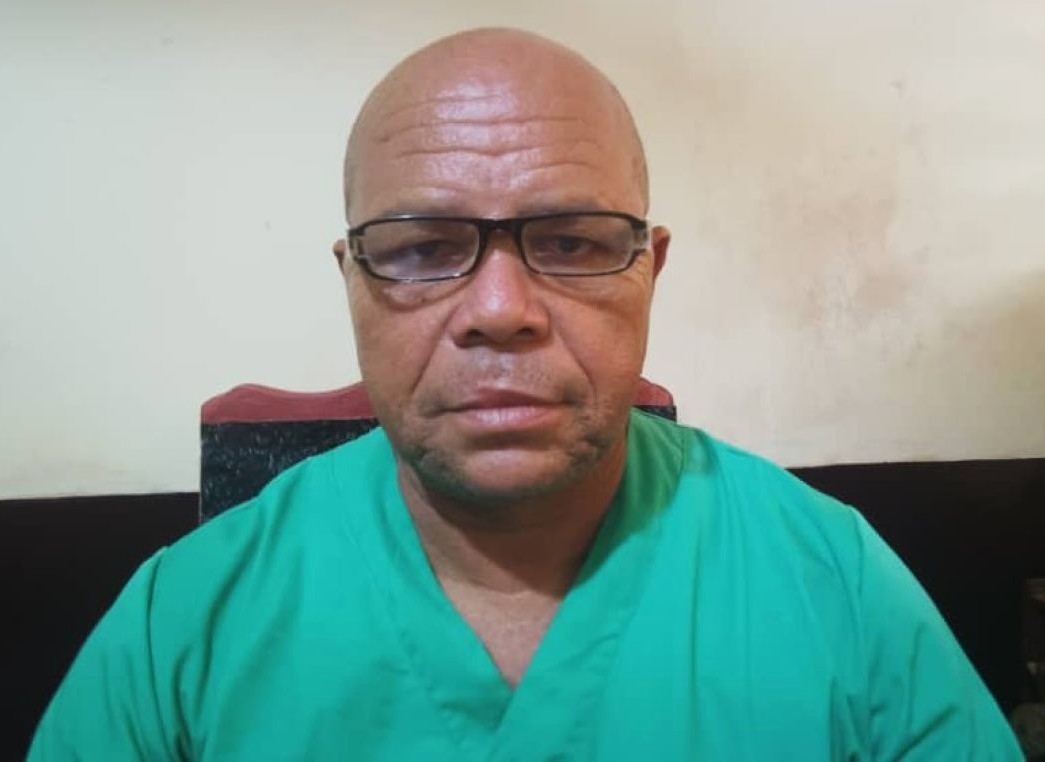
Sous-lieutenant Maurice Noël Lugard heads the gynecology-obstetrics service at the Henri Izamo camp maternity in Bangui, holding a key leadership role within the facility. His position places him directly in charge of the medical care provided to pregnant women and mothers within the facility, which as noted, operates under a stringent military discipline framework. As the lead figure for this specialized medical department, Sous-lieutenant Lugard is directly responsible for overseeing all clinical operations, which includes managing the medical staff, coordinating patient care, and ensuring strict adherence to the camp's established protocols for maternal healthcare. This leadership position requires him to skillfully navigate the complex intersection of military regulations and the nuanced needs of patient care, directly influencing the daily functioning and the quality of service delivery of the maternity ward. His command is therefore central to the implementation of the structured approach to healthcare observed at the Bangui camp, shaping the experiences of both patients and staff.
Discipline Under Military Rule
Radio Ndeke Luka, a reputable media outlet certified by the Journalism Trust Initiative, played a significant role in reporting on the operational structure of the maternity ward at Camp Henri Izamo. The detailed report, which was published on May 4, 2026, meticulously outlined how military discipline is not merely present but actively integrated into the fabric of the healthcare services provided at the facility in Bangui. The maternity ward's distinctive approach to patient care and the expected conduct of its staff members are fundamentally shaped by this widespread disciplinary framework. The report noted the unique environment where essential medical services are delivered within a military setting, emphasizing how this influences the daily routines, administrative processes, and even the atmosphere of the ward. This full oversight extends to how pregnant women and mothers receive their care, reflecting the broader military command system under which Camp Henri Izamo operates. The publication date of the report shows the ongoing scrutiny and public interest in this particular model of healthcare provision, prompting further examination of its implications.