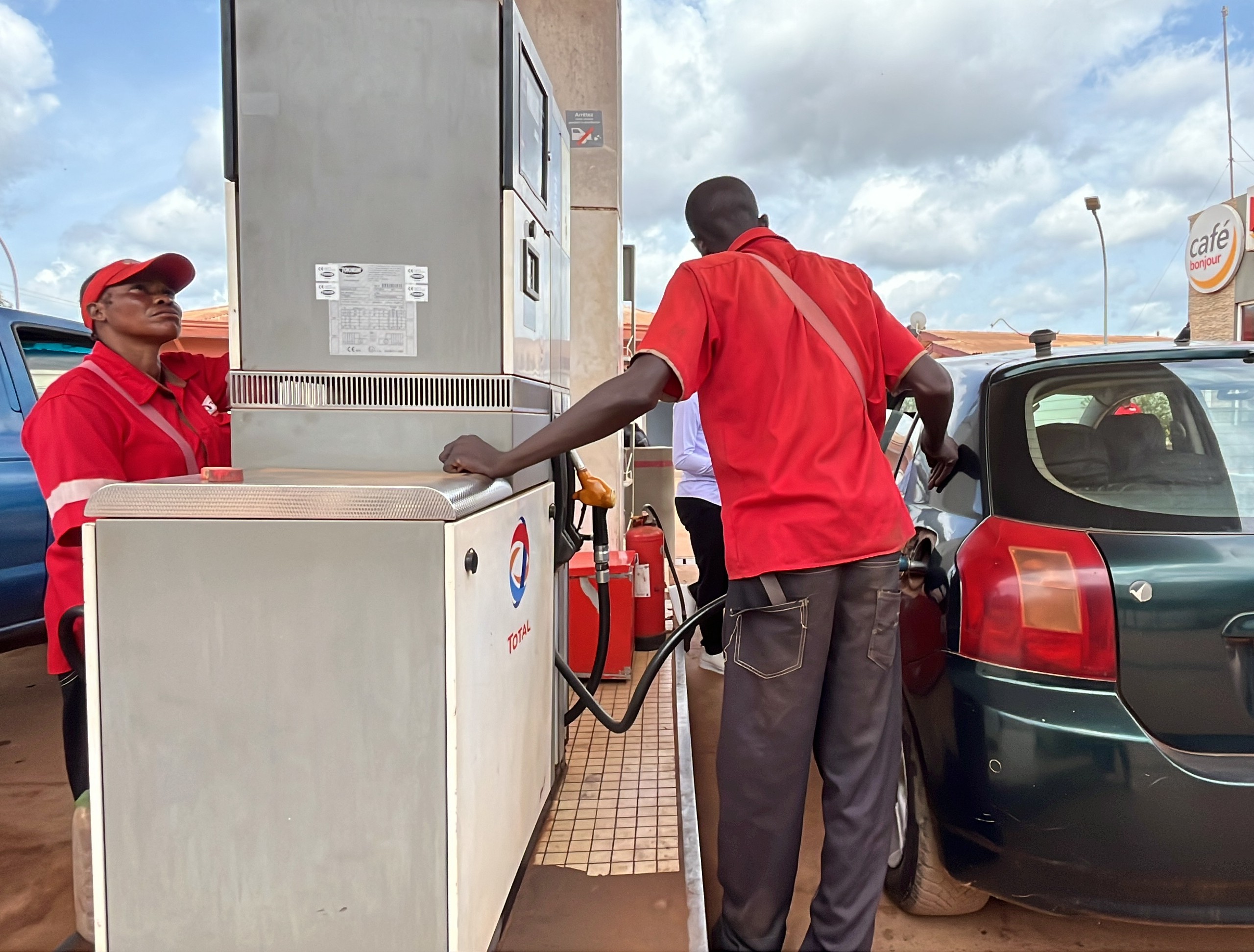
The Association for the Development of Mbomou (Assodembo) has issued a warning regarding the severe deterioration of road conditions across Mbomou, a prefecture located in the sud-est region of the Centrafrique. The organization is calling for immediate action to address the advanced degradation of these vital transportation routes. Assodembo's concerns highlight the urgent need for rehabilitation efforts to improve infrastructure in the area, emphasizing the critical role these roads play in the daily lives and economic stability of local communities. The Association for the Development of Mbomou (Assodembo) is sounding the alarm on the advanced degradation of roads in Mbomou, showing the widespread impact on the prefecture.
Dire State of Infrastructure
The current condition of these infrastructures significantly impedes the movement of residents, according to Assodembo. The association reports that the poor state of the roads complicates socio-economic activities within the prefecture. This situation affects various aspects of daily life, from market access to the delivery of essential services. The state of these infrastructures hinders the movement of inhabitants and complicates socio-economic activities in this prefecture in the southeast, creating significant challenges for its population. Mbomou's economic vitality and the well-being of its population are directly impacted by the deteriorating road network, making it difficult for goods and people to traverse the region efficiently. The challenging transport conditions raise concerns about the broader implications for development and connectivity in the southeastern Centrafrique region, potentially isolating communities and stifling growth. This advanced degradation of infrastructure poses a serious threat to regional stability and progress.
Call for Immediate Action
Assodembo urged authorities to prioritize the urgent rehabilitation of the Mbomou road network, describing it as essential for the region's development. The call was made during a press conference held on May 7 in Bangui. During a press conference held on May 7 in Bangui, Assodembo called on the authorities for urgent rehabilitation of this axis, deemed essential for the region's development. The association emphasized that improving these transportation routes is critical for facilitating socio-economic activities and ensuring connectivity within the prefecture. The current state of the roads significantly hinders movement, impacting various aspects of daily life and raising concerns about regional development. Assodembo's appeal notes the necessity of government intervention to address the infrastructure crisis and support the well-being of Mbomou's population. The organization stresses that without immediate and concerted efforts, the region risks further economic stagnation and increased isolation, exacerbating the already difficult conditions faced by its inhabitants.
Economic and Social Impact
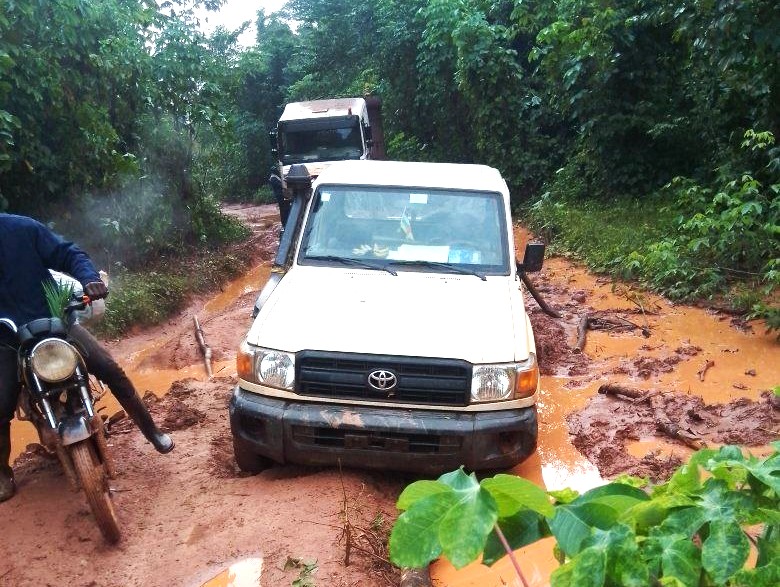
The dire condition of the roads directly impacts daily life and economic activity in Mbomou. On the Alindao–Bangassou axis, a route frequently rendered impassable, vehicles often become stuck in thick mud. A vehicle stuck in the mud on the Alindao–Bangassou axis, a road regularly impassable, serves as a stark visual reminder of the daily struggles faced by commuters and transporters. This recurring issue disrupts the flow of goods and people, hindering trade and access to essential services between the key towns of Alindao and Bangassou. The persistent difficulty in traversing this vital artery means that agricultural products struggle to reach markets, and residents face significant challenges in accessing healthcare or educational facilities. The inability to rely on predictable transportation routes contributes to economic stagnation and social isolation for many communities within the prefecture. This situation shows the broader socio-economic consequences of the deteriorating infrastructure, affecting everything from food security to public health. The lack of reliable transport infrastructure also impedes humanitarian aid delivery and limits opportunities for local businesses to thrive, further entrenching poverty in the region.