Maxime Balalou, a figure accused of employing a "Russian method" of information control, lectured journalists on truth and integrity, according to an article written by Alain Nzilo. Balalou reportedly addressed journalists, stating, "En tant que communicateur, puisque vous représentez la conscience collective de la population, comme je l’ai toujours dit, et je formule le vœu que votre métier, que vous aimez tant, soit conduit dans l’intégrité, l’intentionalité, la recherche de la vérité et que vous honnerez la profession, comme je l’ai toujours souhaité." This statement, delivered during his lecture on journalistic principles, showed his expectations for the media. The article, penned by Alain Nzilo, labels Balalou as a "clepto-mythomane," a term suggesting both kleptomania and mythomania, implying a propensity for theft and pathological lying. Balalou is accused of actively tracking and intimidating journalists who dare to contradict official government propaganda. Nzilo's piece presents Maxime Balalou as embodying this "totalitarian conception of information," suggesting a system where information flow is tightly controlled and dissent is suppressed.
Defining Official Truth
The article asserts that Maxime Balalou and MINUSCA head Rugwabiza define truth exclusively as information originating from official government sources. Under this system, information emanating from the government is designated as official truth, while any contradicting reports are dismissed as falsehoods. This approach creates a narrow definition of acceptable information, effectively delegitimizing any independent reporting. The piece claims that journalists who disseminate government propaganda are lauded as "true professionals," receiving official recognition and approval for their adherence to the prescribed narrative. This stands in stark contrast with those who pursue investigative reporting, who are labeled as "forgers" or "manipulators" for daring to question or present alternative perspectives. The article states that journalists who decline to act as "docile scribes," refusing to simply transcribe official statements without critical examination, face severe repercussions. These include intimidation, threats, accusations of manipulation, and are branded as "enemies of peace," effectively isolating them and undermining their credibility. This approach, according to the article, establishes a clear hierarchy of information based on its source, prioritizing government-issued statements above all else.
The Russian Information Method
The article describes a "Russian method" of information control characterized by the systematic denial of evidence, the deliberate distortion of facts, and the strategic accusation of opponents of engaging in similar actions. This particular information control strategy is reported to have been introduced by Moscow advisors, suggesting a foreign origin and influence on the local information landscape. The method has subsequently been exported to other African nations, specifically Mali and Burkina Faso, according to the article, indicating a broader regional application of these tactics. This export suggests a concerted effort to spread this particular model of media manipulation and information suppression across the continent.
In a related claim, Maxime Balalou reportedly expressed gratitude to "partners" for what he termed "credible and inclusive" elections. This statement was made at a time when Russian mercenaries were reportedly exerting control over the country, raising questions about the true independence and fairness of the electoral process. The article links Balalou's actions to the described "Russian method," suggesting a pattern of information management that seeks to frame events in a particular light, irrespective of external observations or circumstances. The alleged method prioritizes a narrative that aligns with official positions, often by discrediting alternative accounts and presenting a carefully curated version of reality. This systematic approach to information control aims to shape public perception and maintain the government's desired narrative.
Alleged Propaganda Examples
Maxime Balalou described the retreat of the Central African Armed Forces (FACA) at Bambouti as "remarkable work," according to reports. This characterization came despite FACA soldiers allegedly abandoning their weapons and the sub-prefect being captured during the incident, painting a drastically different picture than the official statement. Balalou's statement frames the event in an official narrative, contrasting sharply with the actual circumstances described, noting a deliberate attempt to reframe a military setback as a success. This reinterpretation serves to control the public's understanding of military effectiveness and government competence.
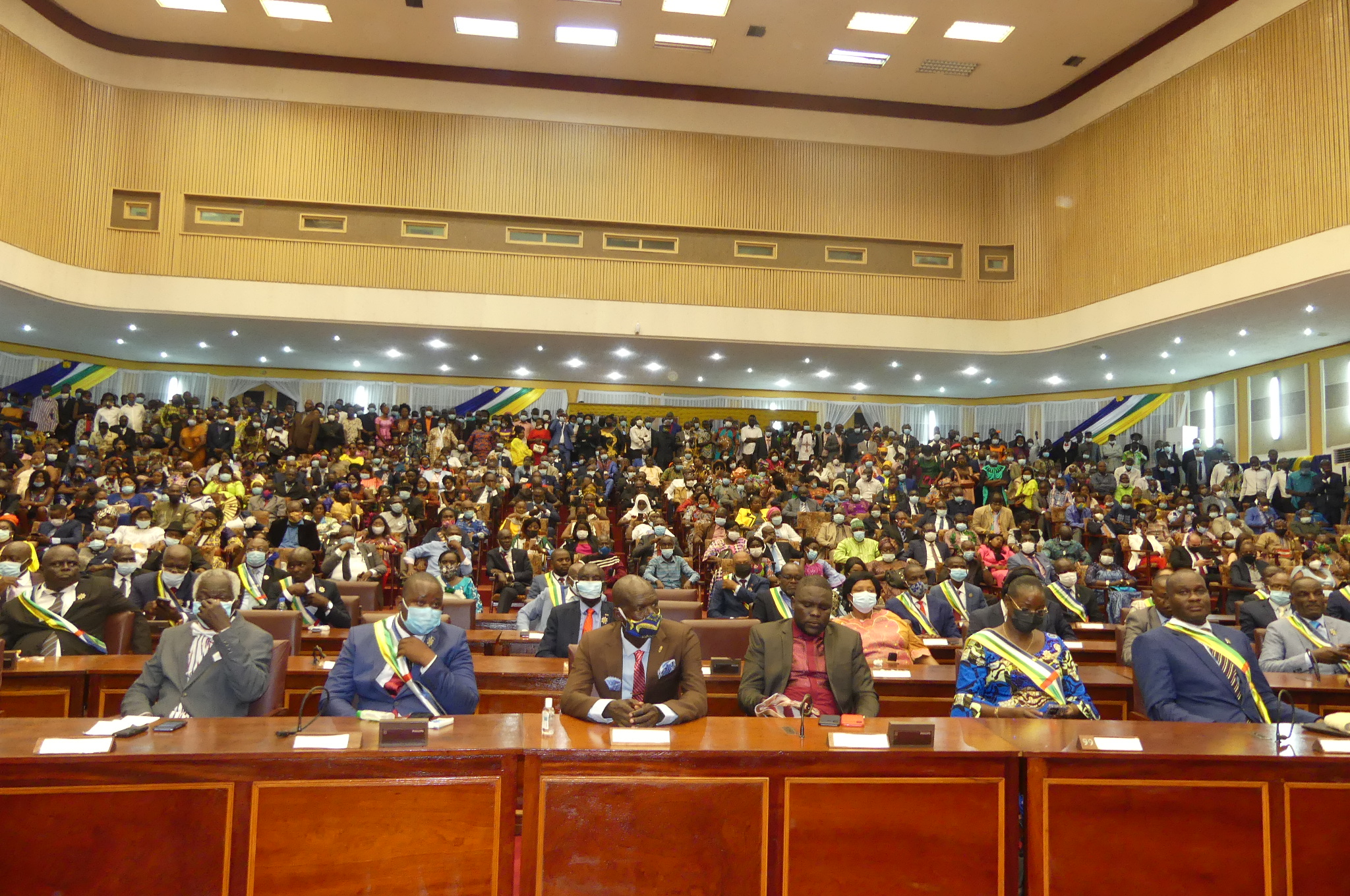
Separately, Balalou reportedly hailed the election of eight women out of 140 deputies as "notable progress." While the election of women to political office can indeed be a positive development, the article implies that Balalou's specific emphasis on this particular statistic, without broader context or analysis of overall representation, is another example of selective information presentation. This statement notes a specific statistic while presenting it as significant advancement within the political landscape, potentially to deflect from other issues or to create an impression of progress where it might be limited. Both instances are presented as examples of how Balalou allegedly manages information to align with a preferred official narrative, demonstrating a consistent pattern of controlling the message rather than reflecting objective reality.