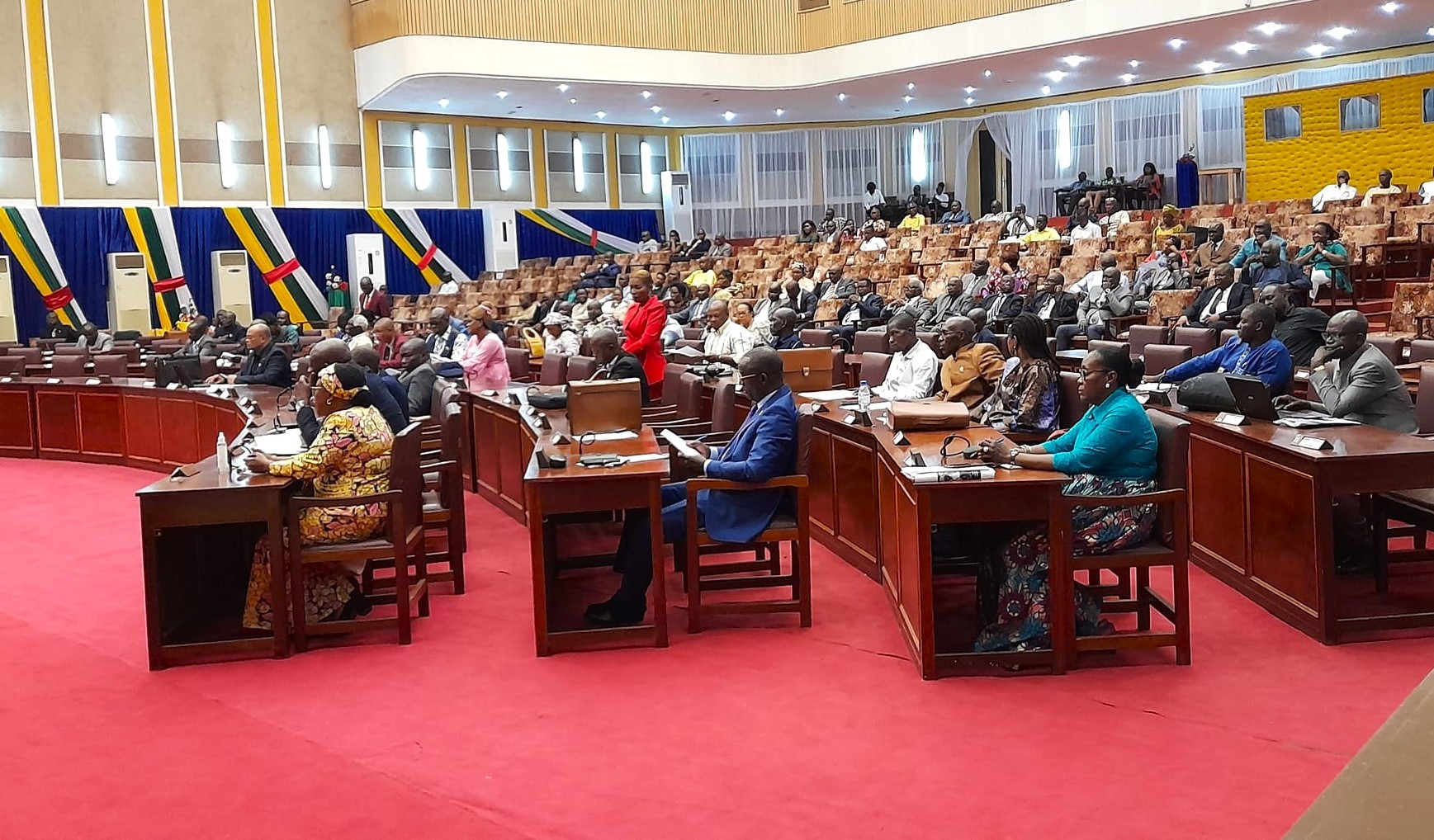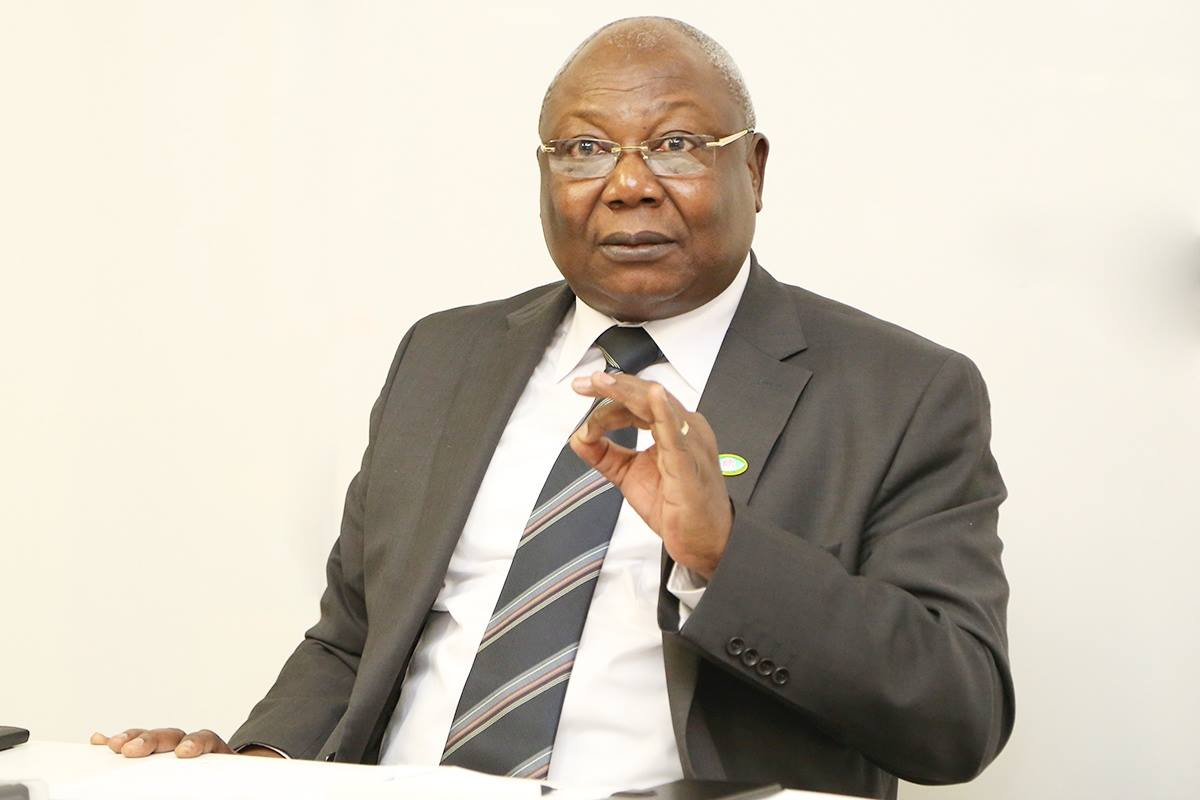
President Touadera of the Central African Republic participated in the Forum on Health, held during the 39th African Union summit in Addis-Abeba. This high-level gathering, specifically the Forum UA on Health, was dedicated to addressing critical public health challenges across the continent. The forum focused intently on accelerating maternal mortality reduction in Africa, a pressing issue for many member states. Maxime Balalou, described by some as 'Le Clepto-mythomane', celebrated President Touadera's involvement in this significant event, particularly his participation in the Forum on high-level on the acceleration of maternal mortality reduction in Africa. This commendation comes according to a report published by Corbeau News Centrafrique on June 13, 2026. During the summit, President Touadera declared maternal mortality a national emergency for the Central African Republic, showing the severity of the crisis within his nation. He also officially launched a presidential initiative aimed at accelerating the reduction of maternal and neonatal mortality within the Central African Republic (RCA), signaling a commitment to tackle these alarming statistics.
Grim Reality on the Ground
Despite these high-profile official pledges and the launch of a dedicated initiative, the reality on the ground remains stark. Women in the Central African Republic continue to die annually during childbirth at an unacceptably high rate. This grim reality is often attributed to a confluence of critical shortages and systemic failures, including the widespread absence of adequately trained midwives, a severe lack of properly equipped delivery rooms, and an acute scarcity of essential medicines. The availability of sufficient blood for transfusions, which is often life-saving in obstetric emergencies, is frequently insufficient. Poorly maintained or entirely inaccessible roads further complicate timely medical intervention for many expectant mothers living in remote or rural areas, turning what should be routine journeys into perilous voyages.
Public hospitals across the country face severe and chronic shortages, lacking even the most basic essential resources such as beds for patients, sterile equipment key for safe procedures, and reliable electricity. The absence of consistent power means incubators for premature or vulnerable newborns cannot function dependably, if at all. Access to clean water, a fundamental requirement for hygiene and sanitation in any healthcare setting, is also frequently unavailable in these facilities, exacerbating infection risks. These profound deficiencies force many women to give birth at home, often assisted by untrained matrons who lack medical expertise. Even in existing maternity wards, critical procedures like C-sections can be abruptly interrupted by power outages, endangering both mother and child.
The consequences of these systemic failures are dire and heartbreakingly common. Newborns frequently die due to a lack of oxygen at birth, a preventable tragedy. Mothers, meanwhile, succumb to untreated hemorrhages, which are often easily manageable with proper medical care, or fatal postpartum infections that spread rapidly in unhygienic conditions. The persistent challenges noted by these daily struggles show the vast gap between high-level international commitments and the daily struggles faced by women seeking maternal care in the Central African Republic.
Empty Promises and Neglect
The presidential initiative, despite its official existence and the fanfare surrounding its launch, faces significant challenges in implementation, rendering it largely ineffective. Reports indicate that promised funding for the initiative has been lost or diverted, failing to reach its intended beneficiaries. Similarly, key training programs promised to rural midwives, designed to equip them with life-saving skills, have often failed to materialize. Even basic delivery kits, essential for safe births, reportedly remain undistributed, gathering dust in warehouses rather than reaching the women who desperately need them. Critics accuse the current administration of prioritizing the President's attendance at prestigious international forums, where such initiatives are announced, while simultaneously neglecting substantial and urgent investment in hospitals and peripheral health centers within the Central African Republic. The prevailing sentiment among many citizens and health advocates suggests that mothers continue to die because the public health system has been abandoned for years by the current power. This situation creates a stark contrast between the rhetoric of international forums and unfulfilled pledges, and the daily reality of women dying in dilapidated maternity wards across the RCA.
Statistics vs. Lived Experience
Official statistics are widely presented as minimizing the true scope of the issue of maternal deaths in the Central African Republic. This official narrative, often citing lower figures, contrasts sharply with testimonies from dedicated midwives and anguished families across the country. These firsthand accounts frequently describe what they term a "silent massacre" occurring in communities nationwide, far from the official data collection points. The discrepancy between official figures and these lived experiences suggests that the true scale of maternal mortality may be significantly underreported in formal records, potentially due to inadequate data collection methods, lack of access to remote areas, or deliberate downplaying of the crisis. This gap between data and lived experience points to a systemic challenge in accurately assessing and effectively addressing the maternal health crisis. The persistent personal narratives from those on the ground indicate a far more severe situation than official records currently reflect, showing the urgent need for improved, transparent data collection and more effective, targeted interventions that reach every woman in need.