This article examines marriage laws and practices in the Central African Republic, covering aspects such as the age of consent, spousal consent, the rights and duties of spouses, forced marriage, and polygamy within its legal frameworks. The report was published on July 19, 2026.
Legal Framework for Marriage
The legal framework governing marriage in Centrafrique is primarily established by Ordinance No. 06/006 of 19 February 2006, which sets out the Family Code. This ordinance dictates the conditions under which marriages can be contracted, the rights and obligations of spouses, and the procedures for divorce. The Family Code aims to regulate domestic relations within the country, addressing various aspects of family life. Compliance with these legal provisions is mandatory for all citizens seeking to marry within the Central African Republic. The implementation of this code is overseen by relevant judicial and administrative bodies across the nation, including in Bangui.
Rights and Duties of Spouses
The Family Code in Centrafrique, established by Ordinance No. 06/006 of 19 February 2006, delineates specific rights and duties for spouses within a marriage. These provisions aim to ensure mutual respect and shared responsibilities within the matrimonial union, as observed in Bangui and across the country. Spouses are legally bound to provide mutual assistance, fidelity, and support to each other. The Code emphasizes the principle of equality between husband and wife, particularly concerning their roles within the household and the upbringing of children.
Regarding property, the Family Code outlines regulations for marital assets, typically establishing a community of goods unless otherwise specified through a prenuptial agreement. Both partners have the right to contribute to and manage family resources. The legal framework also addresses the duty of spouses to contribute to the expenses of the household, proportional to their respective abilities and resources. These stipulations are integral to the legal structure governing family life in the Central African Republic.
Challenges and Protections
Challenges to the implementation of marriage laws in Centrafrique persist, particularly concerning the protection of vulnerable individuals. Despite the legal framework established by Ordinance No. 06/006 of 19 February 2006, issues such as child marriage and forced unions remain a concern. Advocacy groups and international partners, including the Union Européenne, frequently highlight the difficulties in consistently enforcing legal provisions across the entire territory, especially in areas with limited state presence.
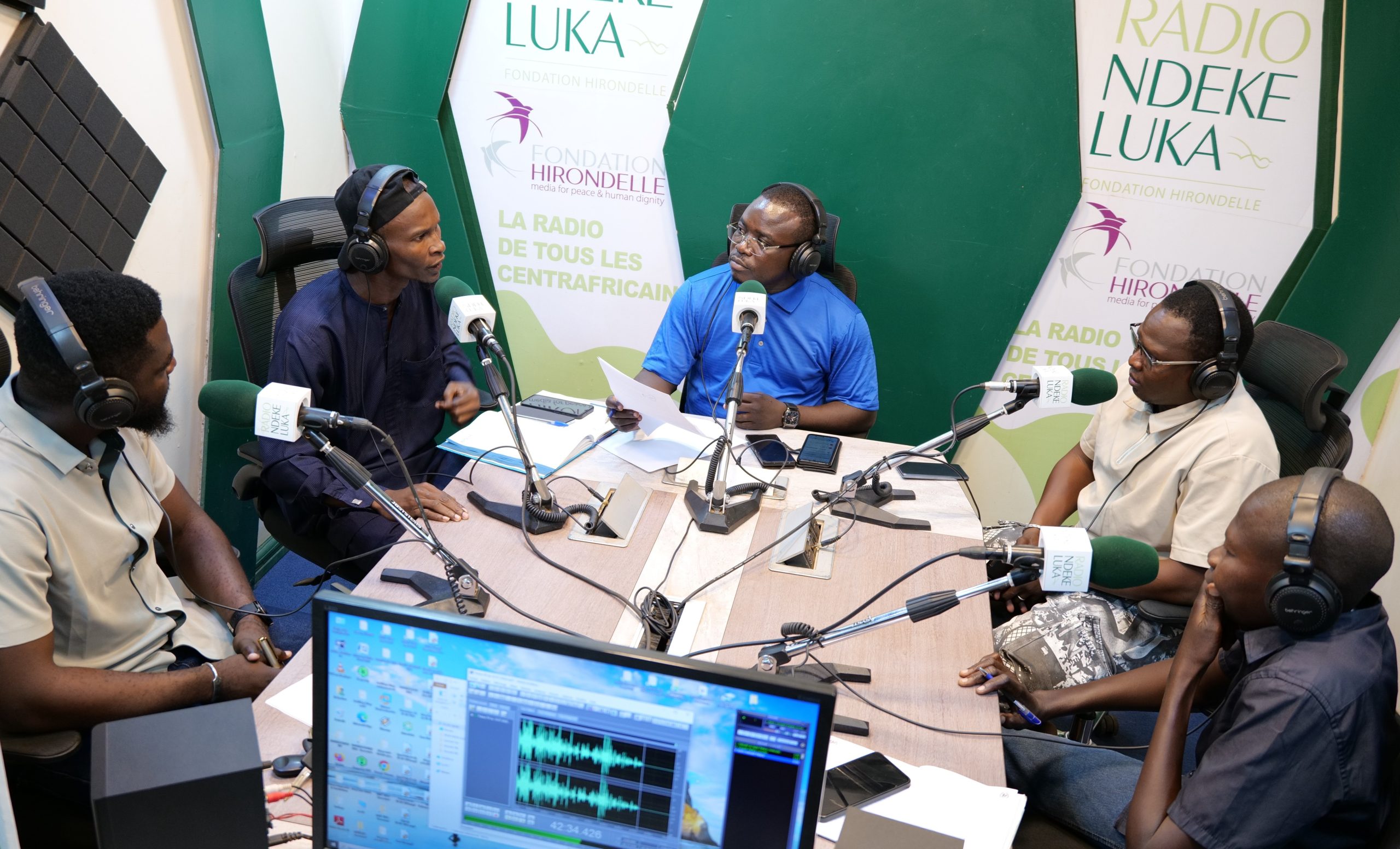
Efforts to strengthen protections are underway, supported by organizations like Fondation Hirondelle, which operates Radio Ndeke Luka to disseminate information on legal rights. The Direction du développement et de la coopération DDC, an entity of the Confédération Suisse, also supports initiatives aimed at improving legal literacy and access to justice. These efforts aim to ensure that the rights enshrined in the Family Code, particularly those protecting women and children, are upheld more effectively throughout Centrafrique, including in urban centers like Bangui and in more remote regions.
Publication Details
The article is part of the 'Magazine Justice' series and is presented as a discussion featuring an invited guest. It is available to the public in both French and Sango languages.