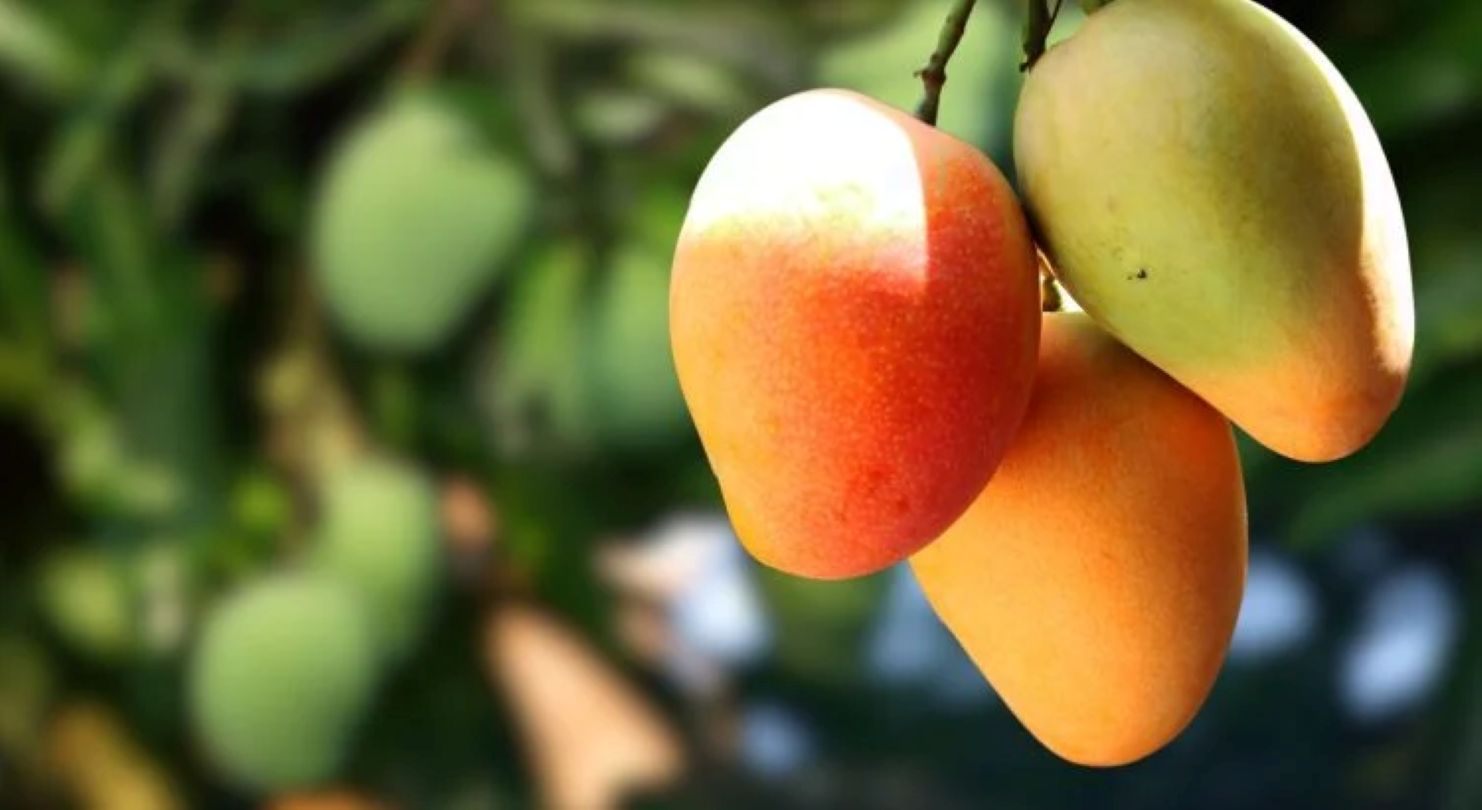
A recent report published on April 30, 2026, examines the cultivation of mangoes. The article notes mango cultivation resilience in the face of elevated temperatures, focusing on agricultural practices and adaptations observed in the sector. This timely report offers valuable insights into sustainable agricultural practices amidst global climate shifts, particularly concerning a vital fruit crop.
Mangoes Thrive in Heat
Mango cultivation demonstrates significant resilience in environments experiencing elevated temperatures, according to agricultural observations. The ability of mango trees to withstand and continue producing fruit under increasingly warmer conditions has been noted by various agricultural bodies. This resilience is particularly relevant in regions where temperature increases pose challenges to traditional crop yields. Adapting cultivation techniques, including specific irrigation methods and canopy management, has further enhanced the capacity of mango orchards to thrive in these conditions. The report details several innovative approaches being adopted by cultivators to ensure consistent yields.
The fruit's natural tolerance to heat stress plays a key role in its continued viability as a staple crop in many tropical and subtropical areas. Researchers continue to examine the physiological mechanisms that allow mango varieties to maintain productivity even when other fruit crops struggle with heat-induced stress. This inherent hardiness positions mangoes as an important agricultural asset in regions facing the impacts of climate change, offering a degree of food security where other crops might falter. The sustained yield in high-temperature settings makes mangoes a subject of ongoing study for their adaptability, providing a model for other agricultural sectors. The report shows the importance of continued research into these resilient characteristics.
Expert Insights from ONASEM
Felix Al-Barem, Director General of the National Seed Office (ONASEM), was a guest on a program discussing agricultural resilience. ONASEM, an entity focused on national seed development, plays a role in supporting the cultivation practices that contribute to such resilience. Al-Barem's participation noted the importance of expert perspectives from agricultural institutions in understanding and disseminating information on crop adaptation strategies. His appearance on the program showed the ongoing efforts by organizations like ONASEM to address challenges in agriculture, particularly those related to environmental factors such as elevated temperatures. The National Seed Office contributes to the broader agricultural discourse by providing insights from its work in seed development and distribution, which is key for the sustained productivity of crops like mangoes in varying climatic conditions. Mr. Al-Barem's insights provided a practical and institutional perspective on how seed quality and development are integral to enhancing crop resilience.
African Agricultural Focus
The focus on mango cultivation's resilience in high temperatures is particularly relevant for Centrafrique, a nation where agricultural practices are frequently impacted by climatic shifts. The country's agricultural sector, a cornerstone of its economy, often faces challenges related to extreme weather conditions, including elevated temperatures. Examining how mangoes can thrive under such circumstances provides critical insights for local farmers and agricultural policymakers in Centrafrique. This regional tag shows the direct applicability of the research findings to food security and sustainable farming initiatives within the country. The adaptation strategies discussed, such as specific irrigation methods and canopy management, offer practical solutions that could be implemented to bolster agricultural productivity in Centrafrique's changing environment. The report serves as a vital resource for stakeholders in Centrafrique, offering actionable strategies to mitigate the effects of climate change on food production.