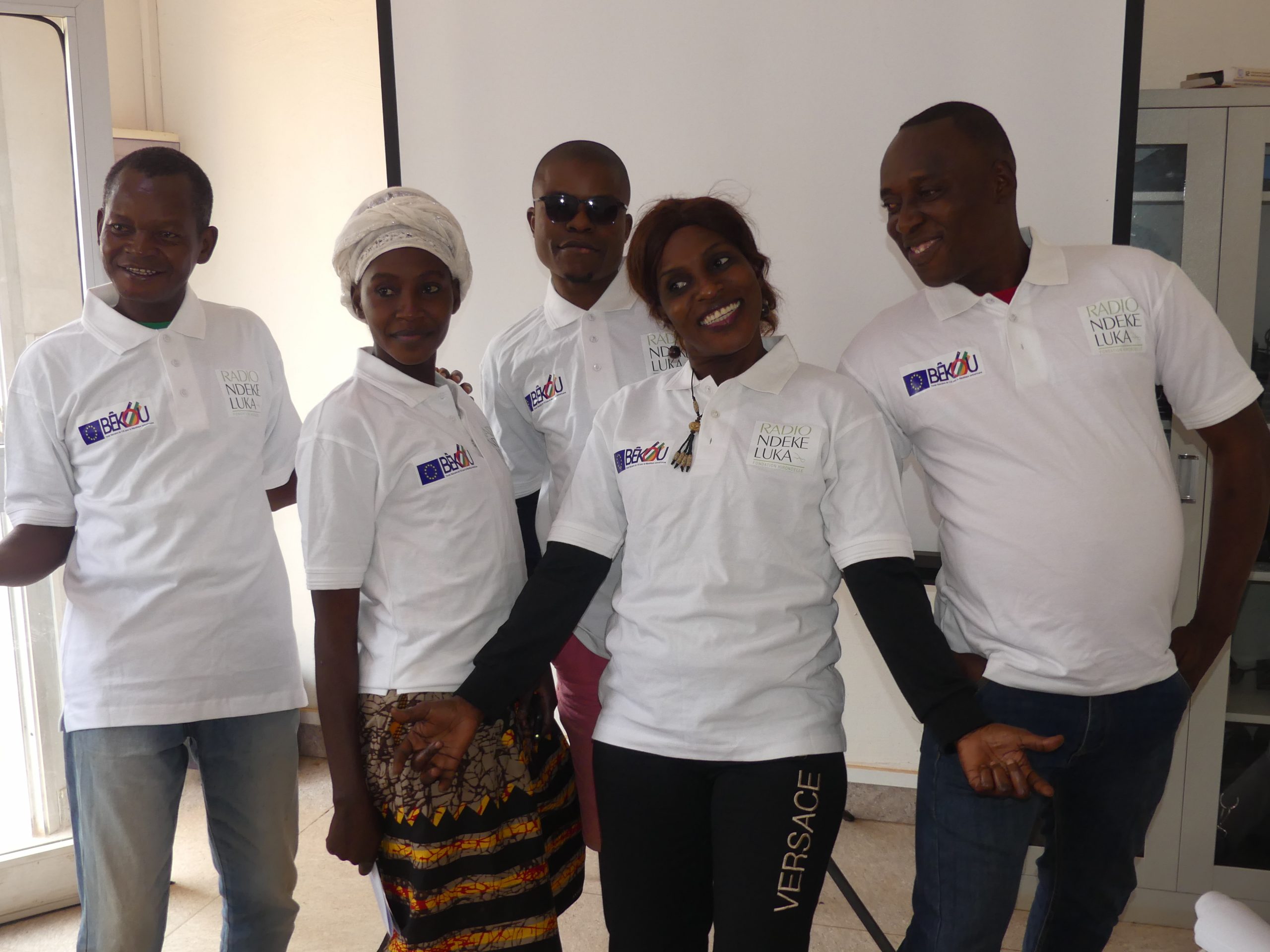
Linga, Centrafrique – Notables are questioning donations made by individuals to Mama Mokonzi, raising concerns within the context of Linga theatre. The discussions surrounding these contributions were published on May 20, 2026. This episode centers on local notables scrutinizing the financial support Mama Mokonzi has been receiving, particularly as these contributions are linked to activities within the Linga theatre community. The article detailing these concerns specifically noted the nature and implications of these individual donations.
Concerns Over Donation Surge
Concerns are being raised regarding the noticeable increase in donations directed towards Mama Mokonzi. The surge in these contributions has prompted scrutiny from local notables in Linga, Centrafrique, who are examining the origins and purposes of these funds. This significant uptick in financial support has not gone unnoticed within the community, leading to a public discourse about its implications. Discussions surrounding the amplified volume of these donations were made public on May 20, 2026, drawing wider attention to the issue among residents and stakeholders in Linga. The specific nature of these donations, and the sudden increase in their frequency and amount, has fueled the ongoing debate among community leaders and observers.
Allegations of Profit Motive
The article suggests a profit motive may underlie the donations directed to Mama Mokonzi. This claim indicates that some observers believe the contributions are not purely philanthropic but are instead driven by an expectation of personal gain or financial benefit for those making the donations. This perspective introduces a layer of complexity to the discussion, moving beyond simple generosity to questions of intent and potential quid pro quo arrangements. The motivations behind the surge in these contributions have become a point of contention among local notables in Linga, Centrafrique, who are seeking clarity on the true purpose of these financial transactions. The nature of these donations, and the potential for a profit motive, is central to the scrutiny surrounding Mama Mokonzi, as it challenges the perception of altruism. This perspective raises questions about the transparency and ultimate purpose of the financial support she receives, suggesting that donors might be seeking influence or other advantages. The ongoing discussions, which were first published on May 20, 2026, continue to highlight these concerns within the community, urging a closer examination of the financial dealings.
Broader Context of Giving
Donations to Mama Mokonzi are drawing attention within Linga, Centrafrique, prompting discussions among local notables about accountability and ethical financial practices. This scrutiny occurs in a region where media organizations like Radio Ndeke Luka operate with support from international entities, often adhering to stringent standards of transparency. Radio Ndeke Luka, for instance, has received certification from the Journalism Trust Initiative, an indicator of its commitment to journalistic ethics and clear operational guidelines. The organization is managed by Fondation Hirondelle, a Swiss non-profit media organization known for its work in conflict and post-conflict zones. Its operations are funded by partners including the Direction du développement et de la coopération DDC - Confédération Suisse and the Union Européenne, both of which emphasize rigorous financial oversight and impact assessment for their contributions.
The broader context of philanthropic and development aid in Centrafrique involves contributions from various international bodies, which often adhere to specific transparency and accountability standards to ensure funds are used effectively and ethically. This established framework for international aid provides a contrasting backdrop against which the current local scrutiny of donations to Mama Mokonzi is playing out. The focus on these individual donations notes local attention to financial flows and their underlying motivations, especially when they appear to lack the formal transparency mechanisms often associated with larger, institutional giving. The questions raised by Linga's notables about Mama Mokonzi's donations show a broader community interest in understanding how financial support is solicited, received, and utilized within local structures, particularly concerning figures of public influence.