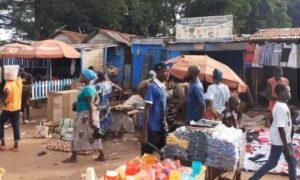
Linga Théâtre's latest episode, released on August 31, 2026, details the significant challenges faced by economically disadvantaged individuals in Centrafrique when attempting to access hospital care. This specific episode, which has drew considerable attention, serves as a powerful artistic commentary on the nation's healthcare system. The theatrical production aims to illuminate systemic barriers in the healthcare system, focusing on the capital city of Bangui and other regions, thereby offering a full look at the issue. This initiative by Linga Théâtre notes ongoing concerns regarding equitable access to medical services for the poor across the country, prompting a public dialogue on these critical disparities. The episode, through its compelling narrative, seeks to bring these often-overlooked struggles into the public consciousness.
The Play's Core Message
Linga Théâtre's latest episode explores the profound and often heartbreaking theme that 'les démunis n’ont pas de place dans les hôpitaux du village' (the poor have no place in the village hospitals). This central message shows the narrative's focus on the systemic exclusion of impoverished individuals from essential healthcare services, portraying a stark reality for many. The production aims to bring public attention to the disparities in medical access, particularly for those in economically vulnerable situations within Centrafrique, making a strong case for reform. By presenting this poignant theme, Linga Théâtre notes the urgent need for addressing the barriers that prevent the poor from receiving adequate hospital care in both urban centers like Bangui and rural areas, where resources are often even scarcer. The play suggests that economic status often dictates the availability and quality of healthcare, creating a significant and unjust challenge for a large segment of the population. This artistic exploration serves as a mirror, reflecting the societal inequities present in the provision of medical services.
Village Notables in Focus
The Linga Théâtre episode, released on August 31, 2026, involves the notables of the village in its narrative, adding a layer of local authenticity and political relevance. This inclusion is central to how the production frames the challenges of hospital access for economically disadvantaged individuals in Centrafrique, grounding the systemic issues in tangible community experiences. By featuring village notables, the theatrical piece aims to represent local leadership and community structures within the broader issue of healthcare inequality, demonstrating their perspective and potential influence. The episode uses these figures to illustrate the localized impact of systemic barriers that prevent the poor from obtaining necessary medical care, particularly in rural settings where traditional leadership often plays a key role. Their involvement shows the community-level engagement with the problem, as presented by Linga Théâtre, and notes the complexities of local governance intersecting with national policy. The narrative explores how these local figures interact with or are affected by the theme that "the poor have no place in the village hospitals," showing the ripple effects of such systemic failures.
Broader Social Context
The Linga Théâtre episode centers its narrative on the treatment and consideration of social cases within hospitals in Centrafrique, bringing a critical aspect of healthcare delivery to the forefront. This focus aims to draw attention to how medical institutions approach patients who may lack financial resources or social support, often leading to neglect or inadequate care. The theatrical production explores the systemic implications for individuals categorized as "social cases," noting the specific challenges they encounter when seeking necessary medical care, from admission to treatment and discharge. By concentrating on this aspect, Linga Théâtre shows the broader societal issues that contribute to unequal access to healthcare services across the country, arguing that these are not isolated incidents but symptoms of a larger problem. The episode's examination of these cases reflects a critical look at the mechanisms and policies, or lack thereof, governing the provision of care to vulnerable populations, urging a reevaluation of current practices and a stronger commitment to social equity in healthcare.